Get your free personalized podcast brief
We scan new podcasts and send you the top 5 insights daily.
Daymond John argues that trademarks are often more valuable than patents for brand-driven businesses. While competitors can legally engineer around a patent, they cannot replicate a strong, trademarked brand like Nike, which protects your identity and market position more effectively.

Related Insights
Physical products are easily copied. While patents help, brand is the most durable competitive moat. A strong brand lowers acquisition costs, increases lifetime value, and commands premium pricing—advantages that copycats cannot replicate, even if they perfectly clone the product.

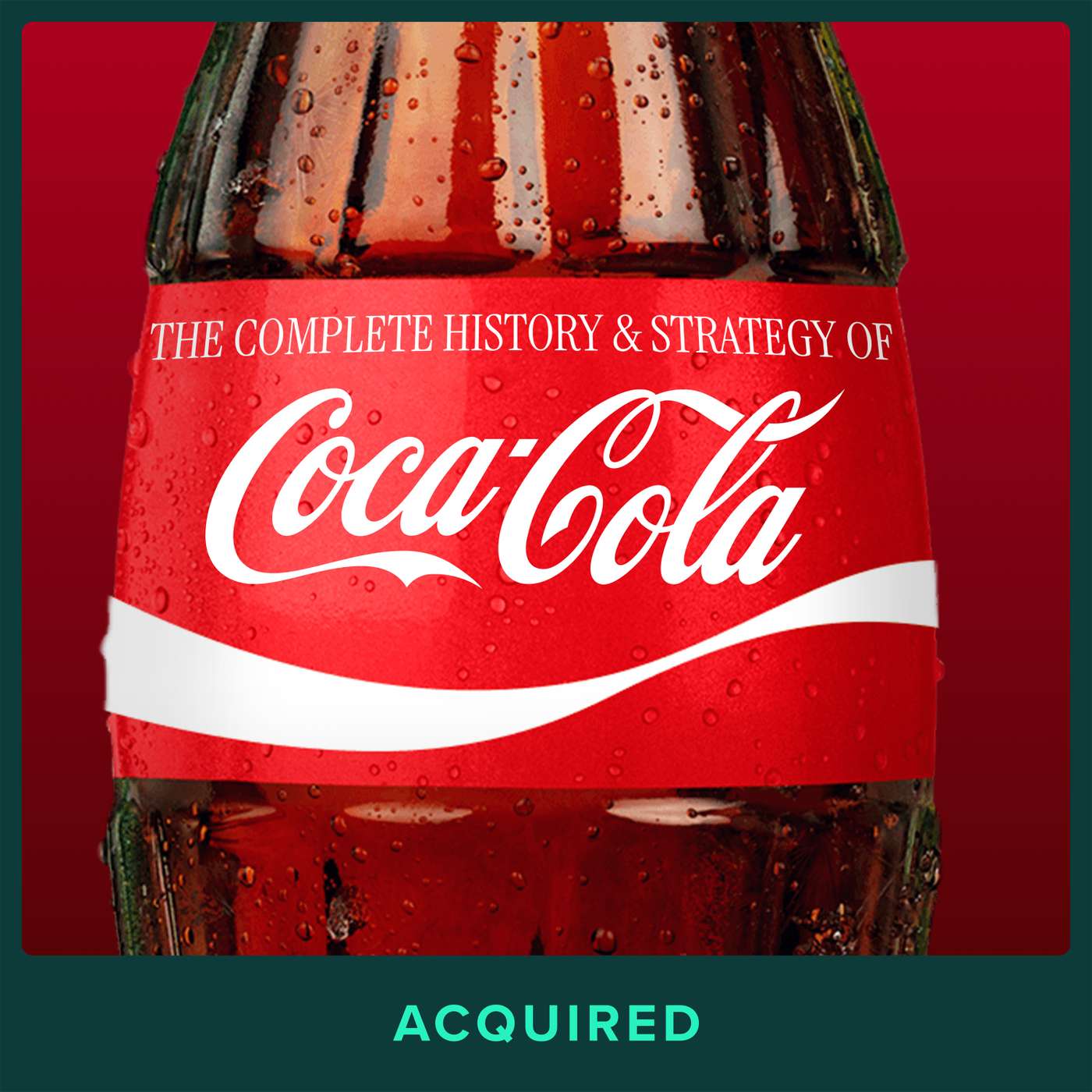
Coca-Cola's legal team extended its IP moat beyond the brand name. They commissioned a bottle "so distinct that you would recognize it by feel in the dark" and successfully argued for its shape to be granted trademark status, a rare accomplishment that created a powerful, non-verbal brand defender.
When a physical product has low technical barriers to entry and can be easily copied, the only sustainable competitive advantage is a strong brand. Founders must focus on building a community and identity that competitors cannot replicate.

Rather than relying on patents, the founder built a defensible moat using brand strategy. This includes unique content, community engagement, and a trade-secret recipe, making it harder for competitors to replicate their success even if they copy the physical product.

Adderall's success proves a core chemical patent isn't essential for market dominance. A strong brand that becomes synonymous with a condition, combined with secondary patents on novel delivery mechanisms (like Adderall XR's capsule), can create a durable, highly profitable business moat.

When denied a patent, founder Rianne Silva was advised that strong brand recognition could be an equally powerful defense. She focused on building brand equity among professionals, which became her primary protection against copycats when they eventually emerged.
As AI makes technical execution and content generation easier for everyone, these cease to be competitive advantages. The only truly defensible asset left is a company's brand—the promise it makes and the trust it builds with its audience over time.

For design-focused businesses, pursuing patents and fighting every copycat is often a losing battle. A better defense is to continually innovate and build an authentic brand story and customer experience, as these are far more difficult for competitors to replicate than a visual design.
In Australia, "ugg boot" was a generic, descriptive term for sheepskin footwear, not a brand. Brian Smith's decision to conduct a trademark search and register "UGG" in the US was a pivotal move that secured the brand's entire future value.
Market inefficiencies and technological loopholes that create arbitrage opportunities are always fleeting. The only long-term, defensible moat is a brand that commands attention and trust. This shifts a business from hunting for opportunities to having opportunities come to it.
