Get your free personalized podcast brief
We scan new podcasts and send you the top 5 insights daily.
Doing business in Iran is perilous not just because it's an authoritarian state, but because it's a chaotic one with competing internal power centers. Like appeasing multiple, rival Greek gods, securing an agreement with one faction offers no protection from another, creating crippling uncertainty for businesses.

Related Insights
Meaningful reform in Iran is unlikely until the succession of the 86-year-old Supreme Leader is resolved. Deep uncertainty over who will hold power paralyzes the political system, preventing any faction from making significant changes and forcing the country into a holding pattern until the leadership transition occurs.
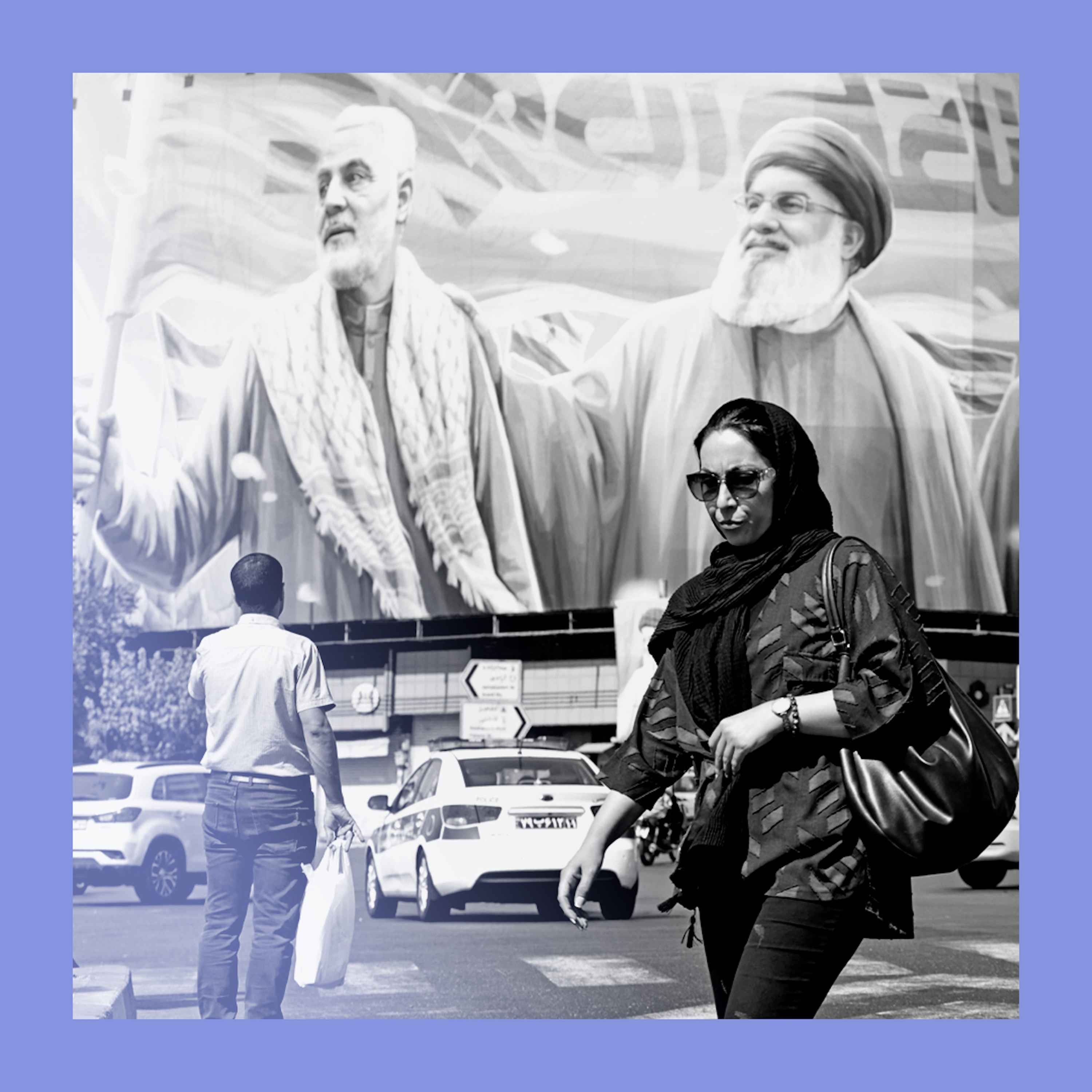
Iran's government operates like a mafia, creating a layered society where economic benefits are distributed based on an individual's loyalty to the regime, not their rights as a citizen. A loyal foreign proxy can receive more resources from the state than a domestic professional.
While Mojtaba Khamenei is now supreme leader, his actual control is questionable. Iran is navigating a wartime transition with leaders in hiding, allowing factions like the Revolutionary Guard to vie for influence and pull the strings, suggesting a period of fragmented authority.
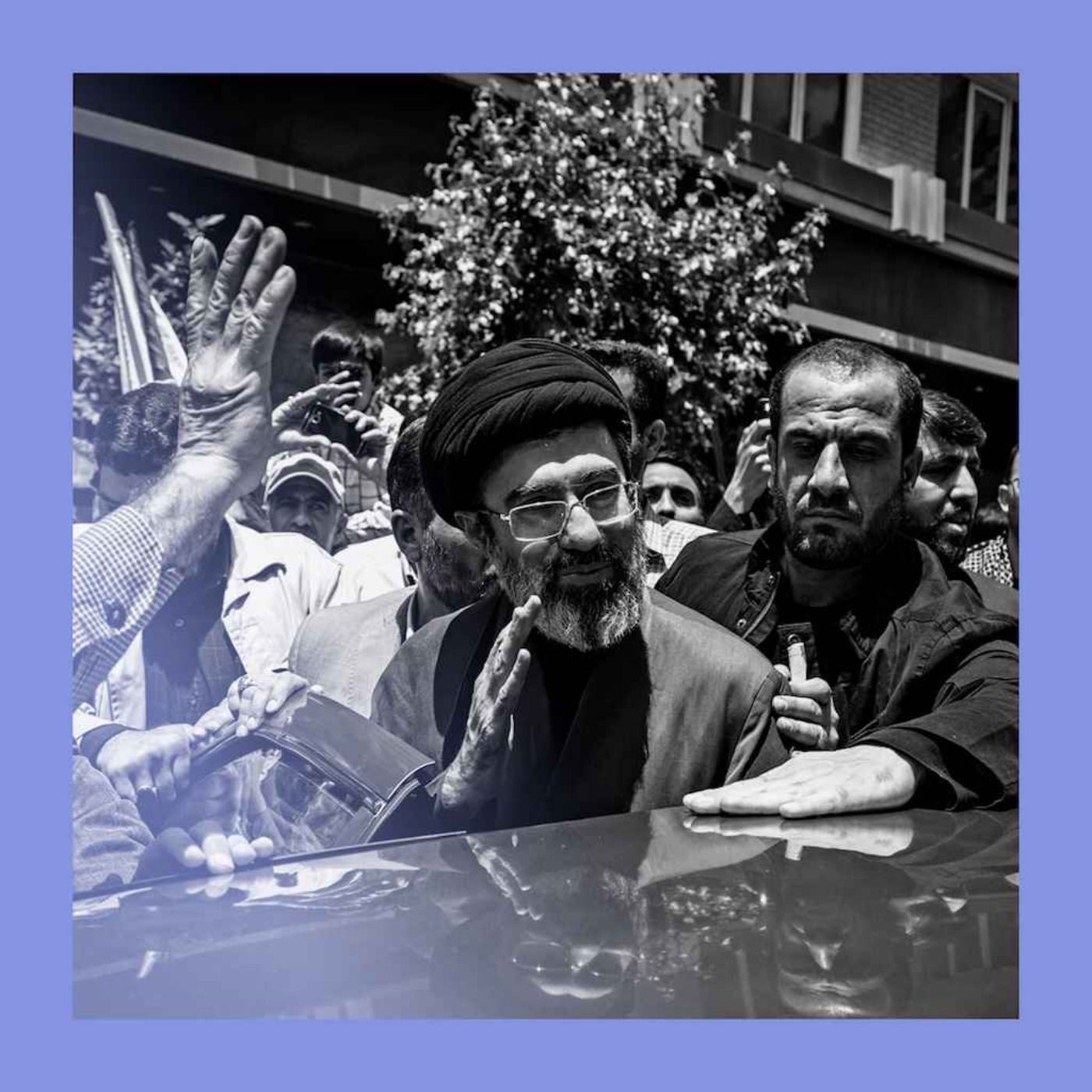
Unlike regimes centered on a single dictator like Saddam Hussein, Iran's power structure is a complex, institutionalized relationship between its clerical and military establishments. This distributed power makes the regime resilient to 'decapitation' strikes aimed at killing senior leaders, as there is no single point of failure.

Once an Iranian startup becomes successful, it crosses a threshold where it attracts the attention of the security state. To survive, founders are often pressured into giving up equity to middlemen connected to powerful entities like the Revolutionary Guards, who offer 'protection' from state-sponsored harassment.
The Iranian regime consistently treats its economy as a means to an ideological end (e.g., self-sufficiency), not as an end in itself. This explains why Western diplomatic strategies based on economic incentives often fail; the leadership is unwilling to compromise its ideology for popular prosperity.
Historical revolutions, like Iran's in 1979, are not clear-cut events with a predetermined winner. For years, they exist in a state of flux with multiple factions competing for control. The eventual outcome is only obvious in hindsight, not to those living through the uncertainty.

Any significant foreign investment in Iran requires comprehensive sanctions relief, not just oil waivers. The Islamic Revolutionary Guard Corps (IRGC) is so deeply embedded in Iran's industrial economy that foreign companies cannot invest without inevitably funding a sanctioned entity, creating a major barrier to reconstruction.

Even if Iran's theocracy falls, a Western-style liberal democracy is unlikely. The leading opposition factions, particularly the royalists, are themselves illiberal and exhibit authoritarian tendencies. The most optimistic outcome may be a state resembling Hungary or a MAGA-led America, not a truly free society.

Widespread protests are fueled by everyday grievances like poverty and environmental destruction. These issues trace back to the Islamic Revolutionary Guard Corps (IRGC) systematically extorting and taking over successful private businesses, creating a corrupt and inefficient economy that angers the populace.