Get your free personalized podcast brief
We scan new podcasts and send you the top 5 insights daily.
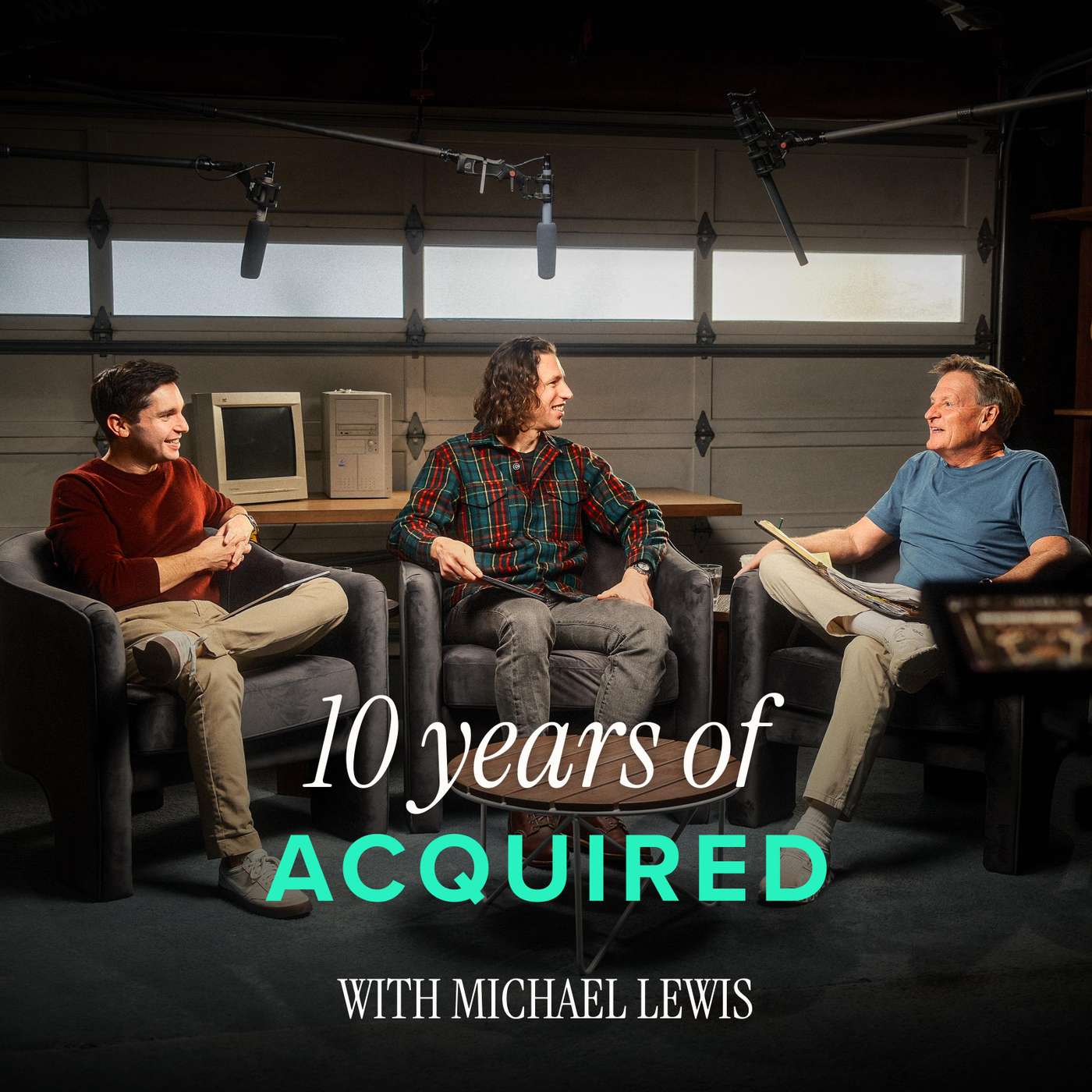
Facing a 40% revenue drop in the 2022 ad market downturn, the Acquired hosts didn't panic. They treated it as a forcing function to cut undifferentiated content, reduce episode frequency, and focus solely on premium, durable stories and sponsors, ultimately strengthening their brand.
Related Insights
Elite YouTube creators aren't just passive recipients of ad revenue. They actively buy their own ad inventory from YouTube and then resell it directly to brands, packaging it like traditional TV with guaranteed "adjacency" to specific content. This strategy dramatically increases monetization and business valuation.
![Media M&A - [Business Breakdowns, EP.230] thumbnail](https://megaphone.imgix.net/podcasts/8404be2a-a3c6-11f0-9d01-7b00b28a9d50/image/9a48597af1149c3b024e8d2f7327aa89.jpg?ixlib=rails-4.3.1&max-w=3000&max-h=3000&fit=crop&auto=format,compress)
Realizing their low frequency prevents them from being a daily habit, Acquired creates "spectacles" like their 6,000-person live show at Radio City. This strategy generates disproportionate buzz and brand value, making a bigger impact on the franchise than a standard episode could.
To remain sustainable, the local media outlet combines direct ad sales, branded content, merchandise (coupon passports), and a Patreon membership. This multi-pronged approach provides stability and avoids over-reliance on a single, often volatile, revenue stream like programmatic advertising.

Scott Galloway's Prof G Media, a $20M business, rejects entire ad categories like crypto and gaming. He believes they prey on young men, and accepting their money would undermine audience trust. This strict vetting process results in a small, curated list of just 38 advertisers, prioritizing brand integrity over revenue.

If your creative assets aren't culturally relevant, you're forced to overspend on media to achieve impact. Truly resonant content generates organic reach and makes paid amplification more efficient, a key argument for CFOs on the value of creative investment.
The podcast Acquired strategically avoids sponsors from contentious spaces, like competing venture capital firms, because they don't "feel Switzerland enough." This principle of partnering with neutral, respected leaders ensures their sponsor choices don't alienate listeners or compromise their editorial independence.
When a business is struggling with multiple revenue streams, the best strategy is to simplify. By cutting underperforming or noisy channels, you can amplify your focus on the one or two profitable areas. This distillation creates the clarity needed to stabilize and eventually rebuild the business.

The public announcement to eliminate all ad revenue was a strategic marketing move. It sent a clear message to the market: if NBR relied 100% on subscriptions, the content must be exceptionally valuable and worth the high price point, reinforcing its premium positioning and justifying the cost.
Instead of maximizing ad slots, NBR removed all online ad inventory except the top banner. It then pitched a premium, simplified package to top clients for a high monthly fee, creating artificial scarcity and focusing on high-value partnerships. This secured over $1M in pre-sold, recurring revenue.
By releasing only 8-12 episodes a year, the podcast "Acquired" mimics the NFL's event-driven model. This scarcity elevates each release, turning it into a highly anticipated event rather than routine content, driving listener engagement and perceived value.