Get your free personalized podcast brief
We scan new podcasts and send you the top 5 insights daily.
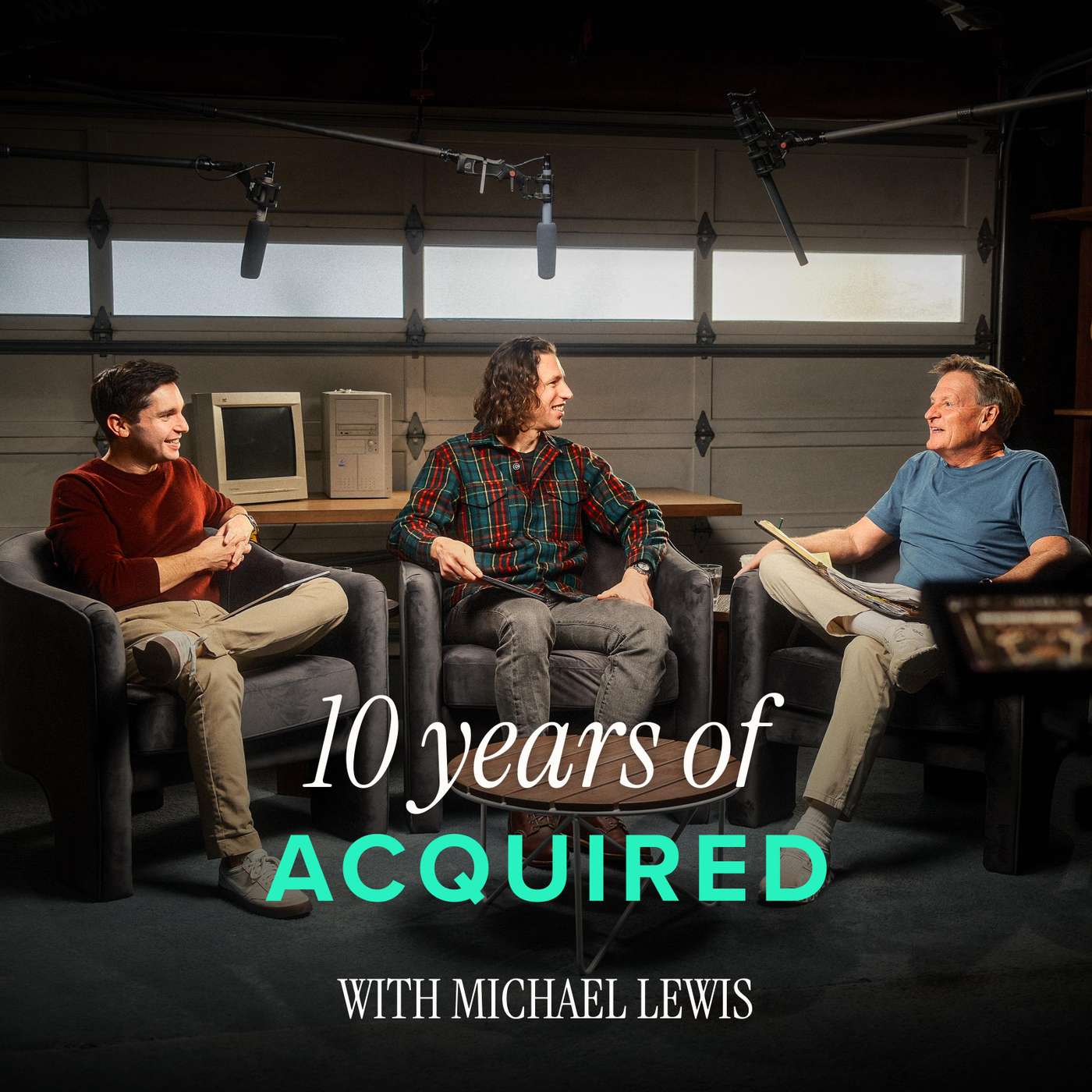
Realizing their low frequency prevents them from being a daily habit, Acquired creates "spectacles" like their 6,000-person live show at Radio City. This strategy generates disproportionate buzz and brand value, making a bigger impact on the franchise than a standard episode could.
Related Insights
Facing a 40% revenue drop in the 2022 ad market downturn, the Acquired hosts didn't panic. They treated it as a forcing function to cut undifferentiated content, reduce episode frequency, and focus solely on premium, durable stories and sponsors, ultimately strengthening their brand.
Instead of buying entire sports seasons, Netflix acquires single, high-impact events like a Christmas NFL game. This 'eventizing' strategy creates maximum buzz for a lower relative cost by turning content releases into unforgettable, can't-miss dates on the cultural calendar.

The moments in a customer journey where expectations are lowest (e.g., a mandatory safety video) are the greatest opportunities for brand building. By turning a dull requirement into extravagant entertainment, a brand can generate immense goodwill and memorability.

Don't dismiss the success of celebrity brands as unattainable. Instead, analyze the core mechanism: massive 'free reach' and 'memory generation.' The takeaway isn't to hire a celebrity, but to find your own creative ways to generate a similar level of organic attention and build a tribe around your brand.
Brands can host multi-hour live stream sales events, mimicking the scarcity-driven format of QVC. By having influencers demonstrate products and announce real-time stock updates ('Only 10 left!'), companies create a fun, interactive, and urgent buying environment that drives significant sales in a short window.

To stand out in a "sea of sameness," the brand approaches its strategy like an entertainment programmer. Limited-edition celebrity collaborations with talent like Travis Kelce act as exciting "plot twists" that create urgency and a jolt of energy beyond the core product line.
Acquired's hosts intentionally stopped sharing research to create authentic on-air reactions. This improvisational element adds emotional depth and surprise, signaling to the audience what's important and making complex topics more engaging than a scripted delivery ever could.
By releasing only 8-12 episodes a year, the podcast "Acquired" mimics the NFL's event-driven model. This scarcity elevates each release, turning it into a highly anticipated event rather than routine content, driving listener engagement and perceived value.
The next marketing wave isn't chasing viral trends, which builds trend recall but not brand recall. Instead, brands must create immersive, episodic 'worlds' that function as standalone entertainment. This shifts the goal from grabbing attention to holding it through compelling, serialized content.
Instead of an open network, Chief is positioned like HBO: a curated, high-value experience worth paying for. The strategy focuses on delivering unique "original content" (events, connections) and creating anticipatory value—like a show premiere—to justify the premium and reduce churn.