Get your free personalized podcast brief
We scan new podcasts and send you the top 5 insights daily.
If your creative assets aren't culturally relevant, you're forced to overspend on media to achieve impact. Truly resonant content generates organic reach and makes paid amplification more efficient, a key argument for CFOs on the value of creative investment.
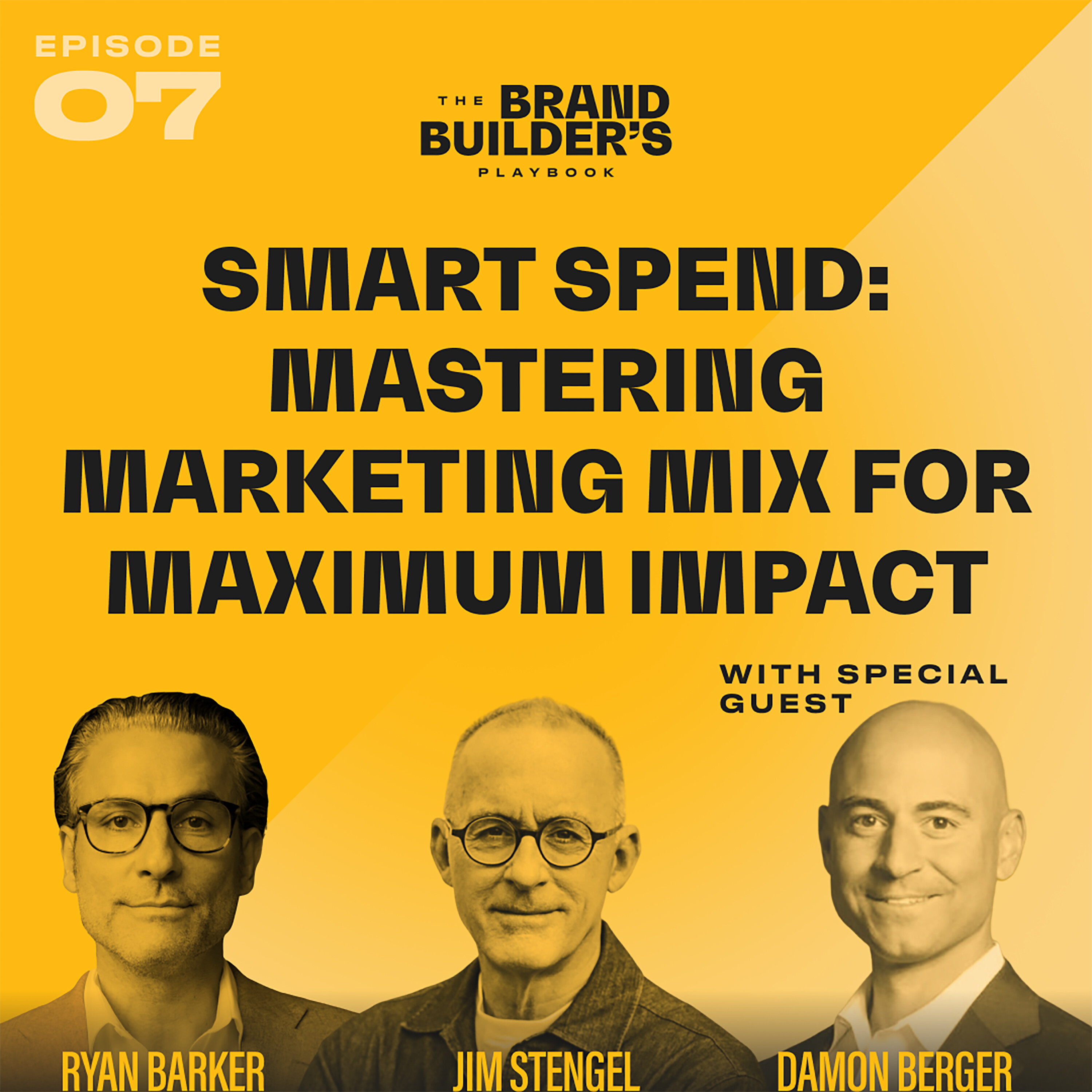
Related Insights
The true power of AI in marketing is not generating more content, but improving its quality and effectiveness. Marketers should focus on using AI—trained on their own historical performance data—to create content that better persuades consumers and builds the brand, rather than simply adding to the noise.

For content without direct attribution, prove its value by systematically collecting qualitative feedback. Create a 'Trophy Room'—a document with screenshots of positive social media comments, Gong call mentions, and Slack messages—to tell a compelling story of impact beyond hard metrics.

Marketers should use AI-driven insights at the beginning of the creative process to inform campaign strategy, rather than solely at the end for performance analysis. This approach combines human creativity with data to create more resonant campaigns and avoid generic AI-generated content.

Before scaling paid acquisition, invest in a robust brand system. A well-defined brand DNA (art direction, voice, tone) is not a vanity project; it's the necessary infrastructure to efficiently generate the thousands of cohesive creative assets required to test and scale performance marketing campaigns successfully.

Stop planning creative and media buys simultaneously. Instead, post creative organically first. Then, exclusively allocate media spend to amplify the content that has already demonstrated strong consumer engagement, forcing creative to be effective on its own merit before receiving paid support.

One-off creative hits are easy, but replicating them requires structure. Truly creative marketing integrates storytelling into a disciplined process involving data analysis (washups, SWAT), strategic planning, and commercial goals. This framework provides the guardrails needed to turn creative ideas into repeatable, impactful campaigns.

Strict adherence to brand cohesion often stifles creativity and results in subjective boardroom debates. Brands achieve more by focusing on creating relevant, timely content that resonates with their audience, even if it occasionally breaks established stylistic guidelines.
To get leadership buy-in for a new media project, use a two-step pitch. First, show a best-in-class example from another company to paint a clear vision of the desired outcome. Second, explicitly anchor your project to a core strategic narrative or go-to-market message for that quarter.
Counterintuitively, dedicating budget to campaigns optimized for engagements, follows, and shares can be a powerful brand-building tool. This approach reaches more people less expensively than conversion campaigns, building an audience and 'searing memories' that lead to future demand, complementing direct response efforts.
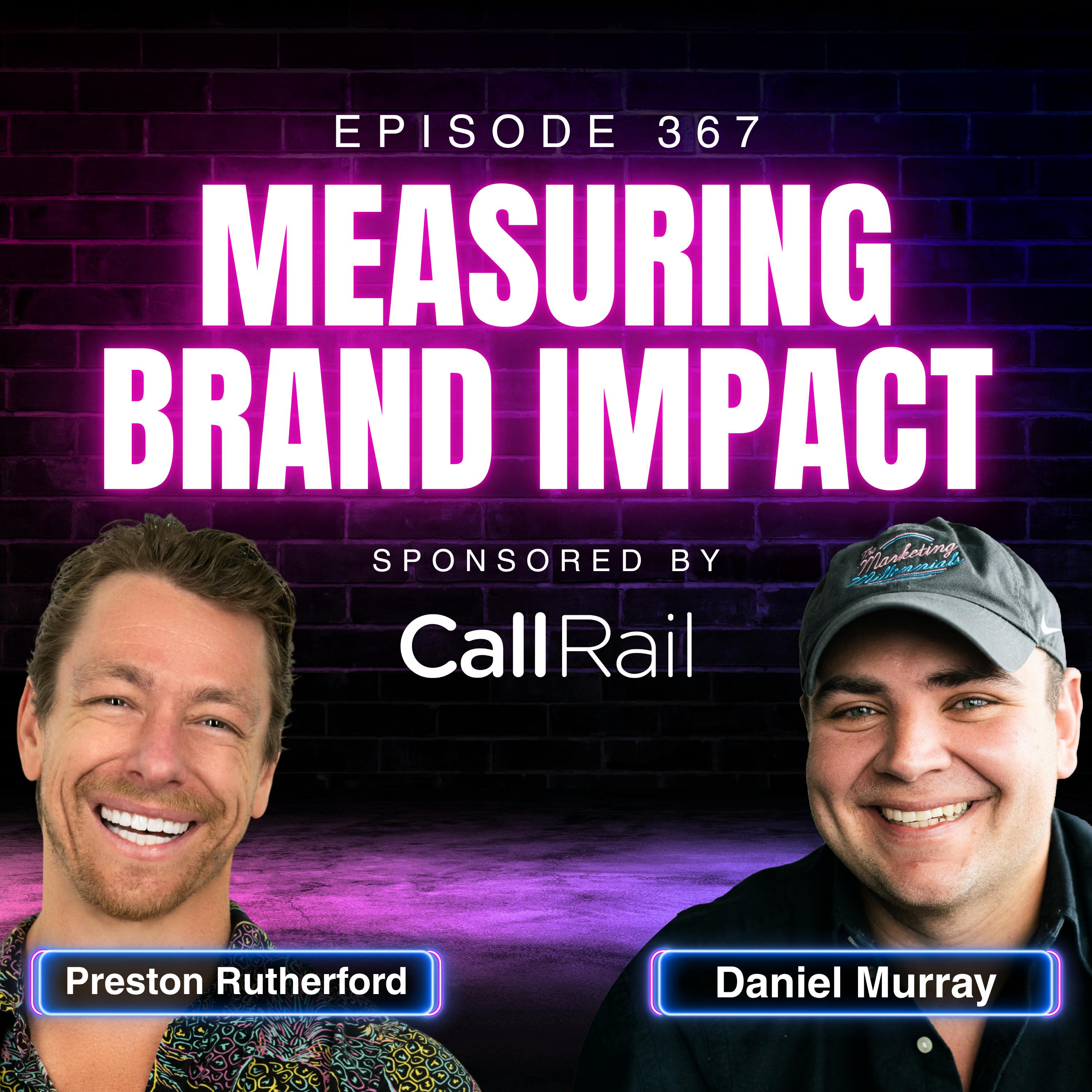
A powerful idea is an amplifier with no ceiling on its potential reach or lifespan. A budget, however large, is finite and cannot rescue a weak concept. Given the choice, always prioritize a world-class idea with a small budget over a terrible idea with a massive one.
