Get your free personalized podcast brief
We scan new podcasts and send you the top 5 insights daily.
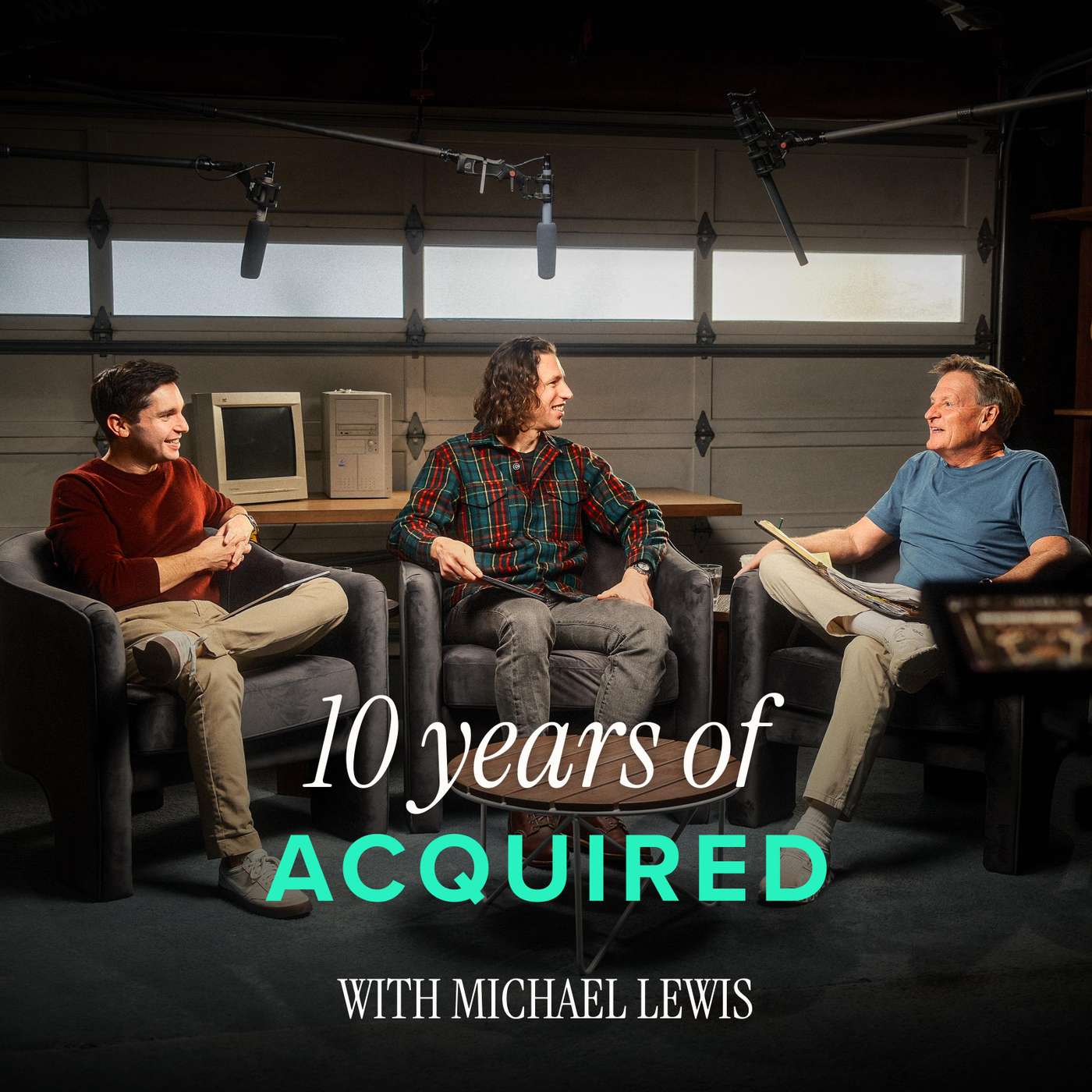
By releasing only 8-12 episodes a year, the podcast "Acquired" mimics the NFL's event-driven model. This scarcity elevates each release, turning it into a highly anticipated event rather than routine content, driving listener engagement and perceived value.
Related Insights
Realizing their low frequency prevents them from being a daily habit, Acquired creates "spectacles" like their 6,000-person live show at Radio City. This strategy generates disproportionate buzz and brand value, making a bigger impact on the franchise than a standard episode could.
Instead of buying entire sports seasons, Netflix acquires single, high-impact events like a Christmas NFL game. This 'eventizing' strategy creates maximum buzz for a lower relative cost by turning content releases into unforgettable, can't-miss dates on the cultural calendar.

Unlike ephemeral social media posts, a podcast's episode library is an evergreen asset. The speaker notes that 50% of her monthly downloads come from old episodes, creating a system that generates value 24/7 and compounds over time, long after the initial creation effort.

Focus on deep engagement metrics like total listening time over easily manipulated vanity metrics like downloads. A smaller, highly engaged audience that spends hours with your content is more valuable than a large, fleeting one that listens for only seconds.
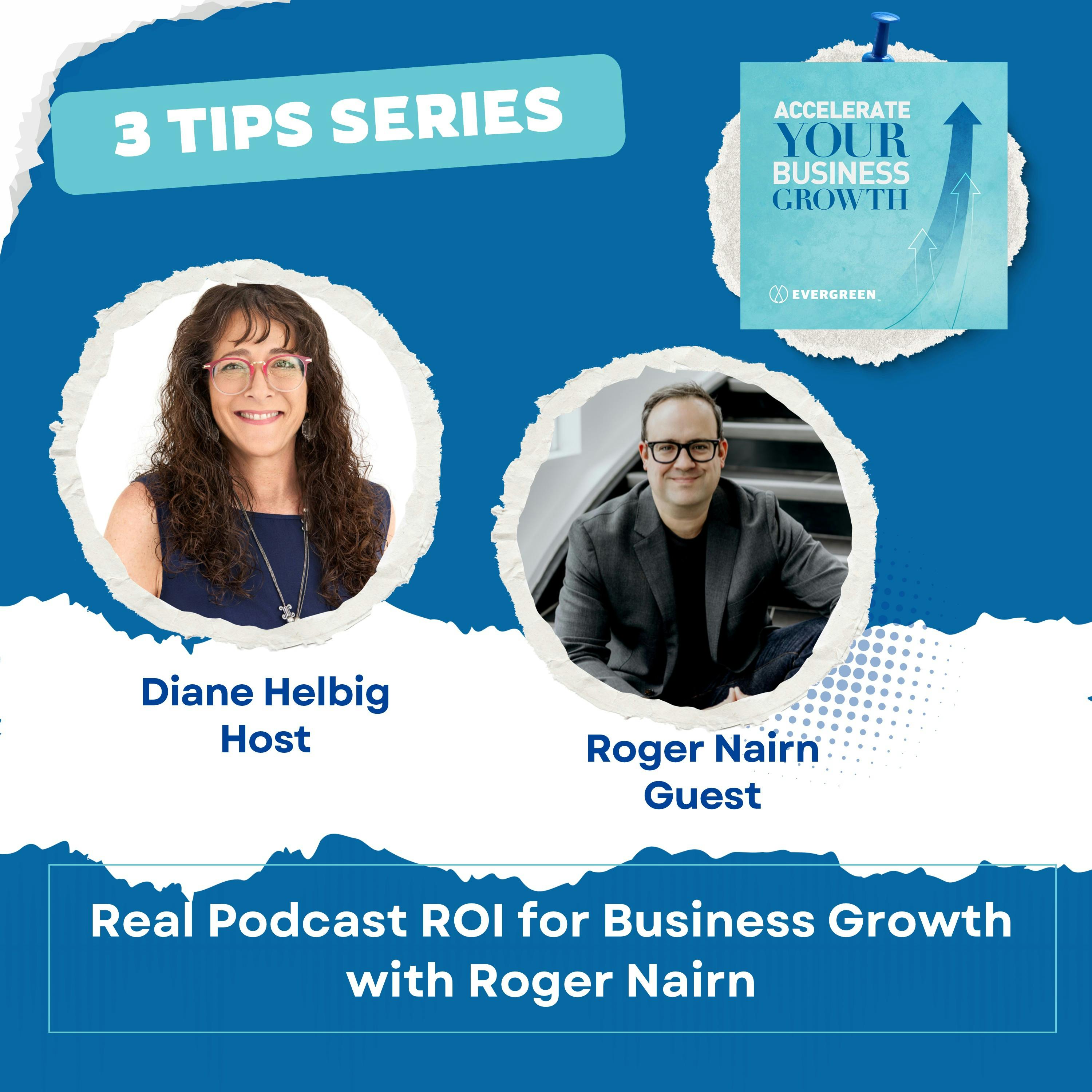
Most podcasters burn out by episode seven. The real advantage lies in consistency, as platforms like Apple and Spotify now algorithmically favor shows that publish regularly. A strong launch is fleeting, but reaching week 12 proves sustainability and triggers algorithmic discovery.
The pressure to constantly record new episodes stunts content quality and distribution planning. A crucial tactic is to batch-record and bank at least half a season's worth of episodes before the show goes public. This creates a buffer that prevents burnout and allows for more thoughtful execution.

A podcast isn't just content; it's a tool for building parasocial relationships. This creates a "tuning fork" effect, attracting high-caliber listeners and guests who feel they already know you, leading to valuable real-world connections and opportunities.

Instead of reactively chopping up content, strategically pre-plan podcast episodes to capture specific quotes and segments. This ensures you create assets perfectly suited for repurposing across diverse channels, from social media to printed annual reports, maximizing your investment.
Author Michael Lewis notes his books feel like new startups, while Acquired's podcast format builds a compounding audience. When they release a new "book" (episode), it's automatically delivered to their entire subscriber base, creating a powerful growth flywheel that traditional media lacks.
A single podcast episode serves as a content hub that can be repurposed into social posts, newsletters, and videos. This "compound content return" builds a lasting asset, freeing you from the daily content treadmill required by social media.