Get your free personalized podcast brief
We scan new podcasts and send you the top 5 insights daily.
Mike Dustar describes Novo Nordisk's Scandinavian culture as inherently inclusive, a positive trait long before D&I became a corporate focus. However, this consensus-driven approach can slow down decision-making by requiring consolidation of numerous opinions, a potential liability in a fast-moving industry.

Related Insights
For its handful of major annual decisions, Eli Lilly's leadership team has a rule to never make a final call in the initial meeting. This process intentionally builds in time for reflection, debate, and persuasion.
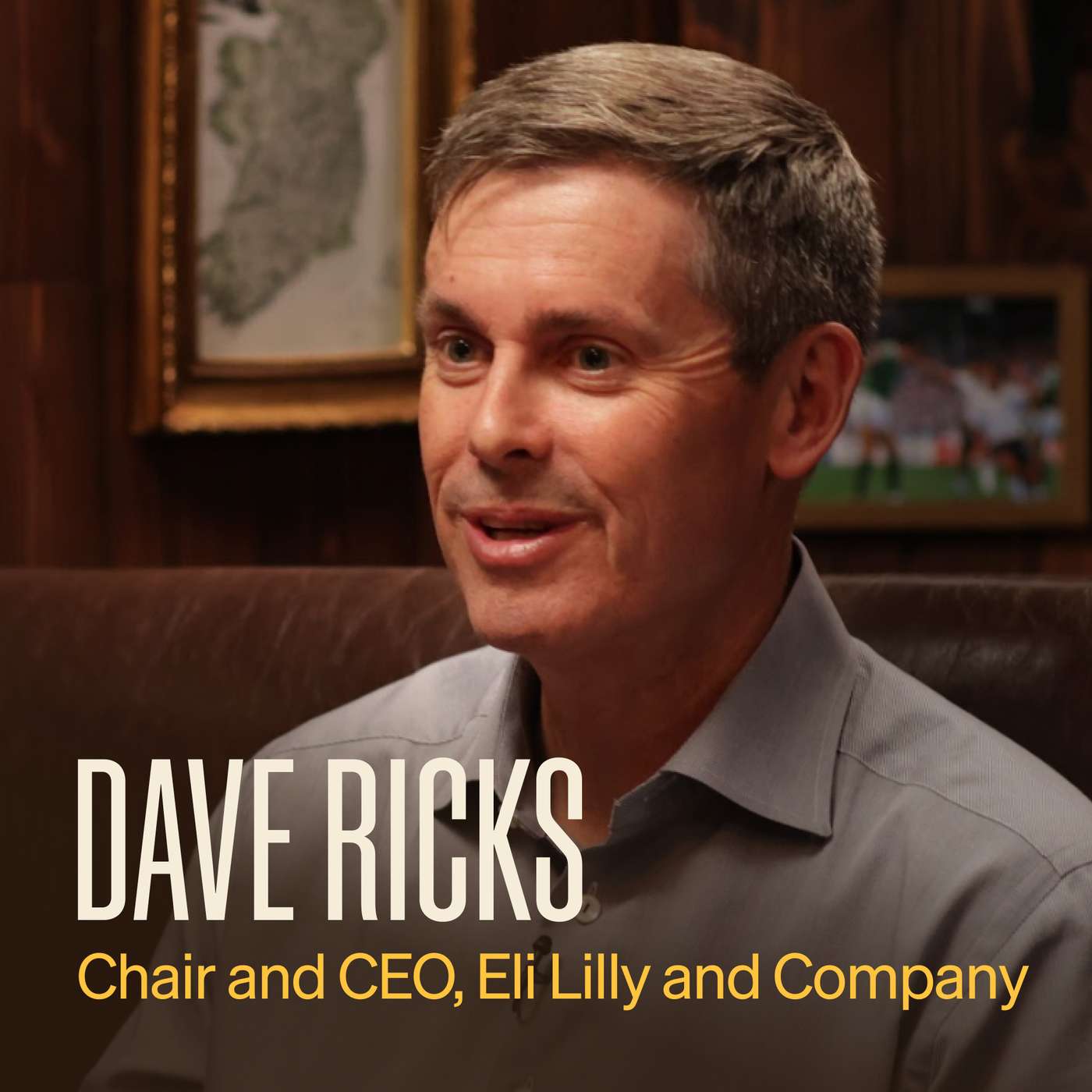
Relying on consensus to make decisions is an abdication of leadership. The process optimizes for avoiding downsides rather than achieving excellence, leading to mediocre "6 out of 10" outcomes and preventing the outlier successes that leadership can unlock.

Despite being a 33-year veteran and 12-year executive, Novo Nordisk's new CEO attended the JP Morgan conference for the first time. He brought his entire executive team to combat the company's historical insularity and increase external partnerships.
Hiring for "cultural fit" can lead to homogenous teams and groupthink. Instead, leaders should seek a "cultural complement"—candidates who align with core values but bring different perspectives and experiences, creating a richer and more innovative team alchemy.

Company-wide processes like annual planning often become bland and unopinionated to appease all stakeholders and avoid criticism. In contrast, companies with strong cultures often have opinionated leaders who champion specific, quirky rituals, which infuses the entire organization with a distinct and effective character.

Horowitz cautions against board members having daily, high-frequency interactions. A CEO ultimately must stand alone and develop high conviction to make difficult decisions. Constantly looking to an outsider for answers can stunt this growth and lead to poor outcomes, as the outsider lacks full context.

To match the pace of AI startups, large companies require explicit, top-down cultural mandates. At Amplitude, the CEO banned 'decisions by committee' to empower individuals and accelerate shipping. This leadership action is crucial because ICs cannot unilaterally adopt such a culture.

There are few universally ideal values beyond basic table stakes like integrity. The effectiveness of a value is highly context-dependent. For example, a value of slow, careful consensus-building is critical in a nuclear facility but would cripple a fast-moving ad agency that requires decisiveness.

After the Qwikster failure, Netflix created a framework where executives rate key decisions from -10 to 10 in a shared document. The decision-maker (the "captain") isn't bound by the votes but becomes fully informed of all perspectives, avoiding both groupthink and decision-by-committee.
![Reed Hastings - Building Netflix - [Invest Like the Best, EP.453] thumbnail](https://megaphone.imgix.net/podcasts/2f1ecac4-e4ba-11f0-a8e8-777eb8de0c5a/image/28fb3c25b09448a35f17657a5e614900.jpg?ixlib=rails-4.3.1&max-w=3000&max-h=3000&fit=crop&auto=format,compress)
Former Biogen R&D head Al Sandrock defines the agility of a small company not just as speed, but as the ability to make decisions by informally gathering key people in the hallway, bypassing the need to schedule formal meetings. This contrasts with large organizations where many more people and committees are necessarily involved.
