Get your free personalized podcast brief
We scan new podcasts and send you the top 5 insights daily.
After the Qwikster failure, Netflix created a framework where executives rate key decisions from -10 to 10 in a shared document. The decision-maker (the "captain") isn't bound by the votes but becomes fully informed of all perspectives, avoiding both groupthink and decision-by-committee.
![Reed Hastings - Building Netflix - [Invest Like the Best, EP.453] thumbnail](https://megaphone.imgix.net/podcasts/2f1ecac4-e4ba-11f0-a8e8-777eb8de0c5a/image/28fb3c25b09448a35f17657a5e614900.jpg?ixlib=rails-4.3.1&max-w=3000&max-h=3000&fit=crop&auto=format,compress)
Related Insights
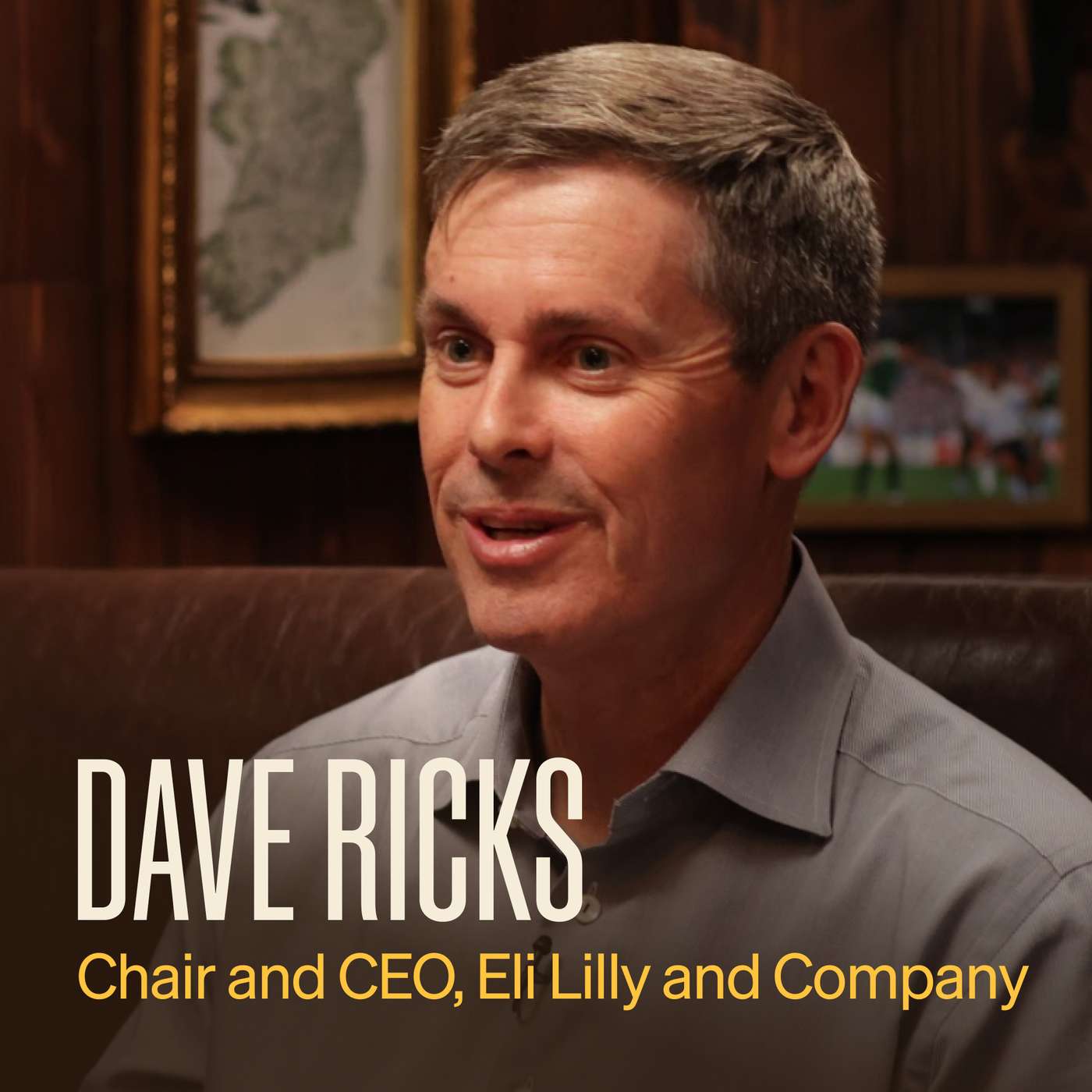
For its handful of major annual decisions, Eli Lilly's leadership team has a rule to never make a final call in the initial meeting. This process intentionally builds in time for reflection, debate, and persuasion.
Relying on consensus to make decisions is an abdication of leadership. The process optimizes for avoiding downsides rather than achieving excellence, leading to mediocre "6 out of 10" outcomes and preventing the outlier successes that leadership can unlock.

Shifting from a black-and-white "right vs. wrong" mindset to a probabilistic one (e.g., "I'm 80% sure") reduces personal attachment to ideas. This makes group discussions more fluid and productive, as people become more open to considering alternative viewpoints they might otherwise dismiss.
To ensure robust decision-making, Eclipse requires that if a partner feels strongly against a potential investment, they must join the deal team alongside the champions. This forces a direct confrontation of the risks and ensures that by the time an investment is made, all major concerns have been addressed.

To avoid influencing their team's feedback, leaders should adopt the practice of being the last person to share their opinion. This creates a psychologically safe environment where ideas are judged on merit, not on alignment with the leader's preconceived notions, often making the best decision obvious.

Unlike committees, where partners might "sell" each other on a deal, a single decision-maker model tests true conviction. If a General Partner proceeds with an investment despite negative feedback from the partnership, it demonstrates their unwavering belief, leading to more intellectually honest decisions.

To ensure the "triumph of ideas, not the triumph of seniority," Sequoia uses anonymized inputs for strategic planning and initial investment votes. This forces the team to debate the merits of an idea without being influenced by who proposed it, leveling the playing field.

To prevent the first or most senior person from anchoring a conversation, collect everyone's independent analysis in writing first. Only after this information is aggregated should the group discussion begin. This method ensures a wider range of ideas is considered and prevents premature consensus.
The romanticized idea of a dramatic "investment committee" meeting is a myth. The most effective investment process is collaborative and iterative, where an idea is pitched early and gains momentum across the firm over time. The formal meeting becomes a rubber stamp for a decision that has already been organically reached.

Counteract the tendency for the highest-paid person's opinion (HIPPO) to dominate decisions. Position all stakeholder ideas, regardless of seniority, as valid hypotheses to be tested. This makes objective data, not job titles, the ultimate arbiter for website changes, fostering a more effective culture.