Get your free personalized podcast brief
We scan new podcasts and send you the top 5 insights daily.
Nana Joe's Granola founder describes walking away from two investment deals at the final stage. One investor tried to take more equity last-minute, while another demanded she abandon organic certification. Her experience proves the necessity of protecting brand integrity over securing capital.

Related Insights
Soon after taking a minority investment, Daniel Lubetzky's PE partners tried to force him out as CEO, threatening to poach key hires and ruin his business. He called their bluff, demonstrating the critical need for founders to anticipate and stand up to aggressive, misaligned investors.

Owning 100% of the equity allows the founders to make unconventional, long-term decisions that prioritize fan experience over short-term profits. They explicitly state that shareholders would force them to add fees and ads, demonstrating the strategic value of bootstrapping to protect a brand's integrity.

When Joe Coulombe sold Trader Joe's, he used a one-page contract with non-negotiable terms, including complete autonomy and a commitment to not merge with Aldi. This ensured the buyer was acquiring the unique culture and strategy, not just the assets, preserving what made the company successful.
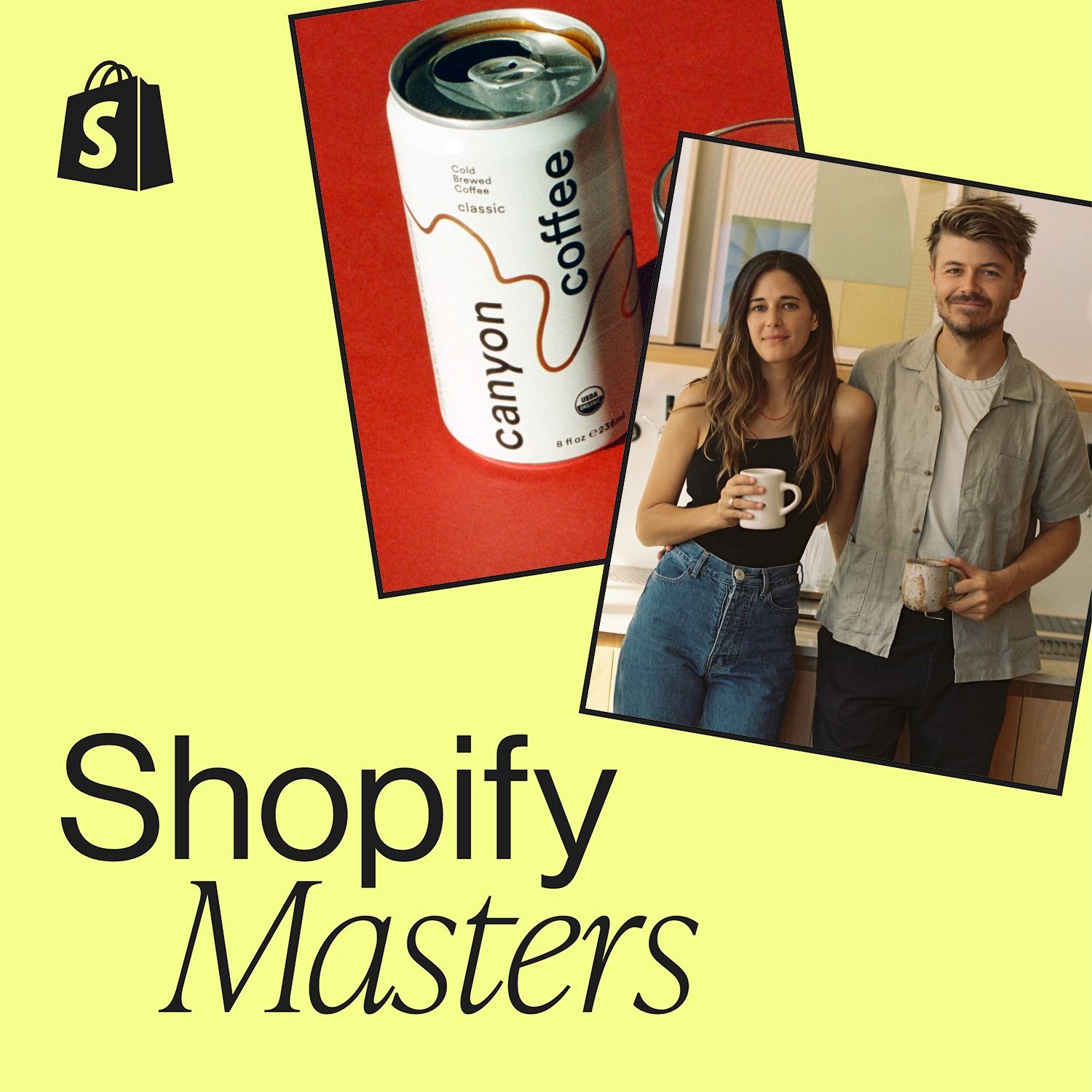
Despite making millions, Chip and Joanna never took on outside investors. They knew private equity could accelerate growth and ease operational pain, but they chose to reinvest every dollar earned back into the business. This deliberate decision ensured they maintained complete control over their brand.
Andy Cohen recounts walking away from a deal post-LOI after the target tried to renegotiate terms to favor preferred shareholders over common employees. Even though F5's economics were unaffected and lawyers offered indemnification, the company refused to be associated with such practices, prioritizing ethical principles and reputation over closing the deal.

Home Depot's founder, Bernie Marcus, walked away from a crucial $2M investment from Ross Perot over minor control issues, like what car he drove. He prioritized partner alignment over immediate capital, believing a bad partner would inevitably doom the venture, regardless of the money.

The founders are extremely selective, rejecting most potential partnerships and opportunities. This discipline ensures every decision aligns with their long-term vision and values, preventing brand dilution and allowing them to grow in a way that feels organic and intentional.
Founders are warned that accepting investment, no matter the amount, creates an obligation to deliver a 5-10x return. This pressure can force compromises on mission-critical elements, such as switching from organic to conventional materials to improve margins.
A-Frame's CEO argues that early-stage companies shouldn't try to manufacture a value system. The most effective and sustainable values are an authentic extension of the founder's own personal beliefs. Trying to fake it or hide what's important to you will ultimately fail.

While it's crucial to listen to markets and clients, founders must also be prepared to stick to their convictions when investors, who may not be specialists in their niche, offer conflicting advice. Knowing when to listen and when to hold firm is a key startup skill.