Get your free personalized podcast brief
We scan new podcasts and send you the top 5 insights daily.
Instead of building single-purpose underwater vehicles, Ulysses modularized its Mako drone using interchangeable blocks for thrust, extra battery range, cameras, and sonar. This foundational decision enabled them to expand from seagrass ecological restoration into defense minehunting and offshore wind farm inspections without rebuilding core IP.

Related Insights
To accelerate development, Saronic built the entire internal propulsion and electronics stack in a room eight months before the actual ship was constructed. This allowed extensive software testing and iteration, solving problems long before the vessel ever hit the water.

Initially a hardware company, Theseus evolved into a software provider that enhances drone reliability. By offering a solution that runs on commodity hardware like a Raspberry Pi, they solve the core problem of autonomy in contested environments without getting bogged down in manufacturing.
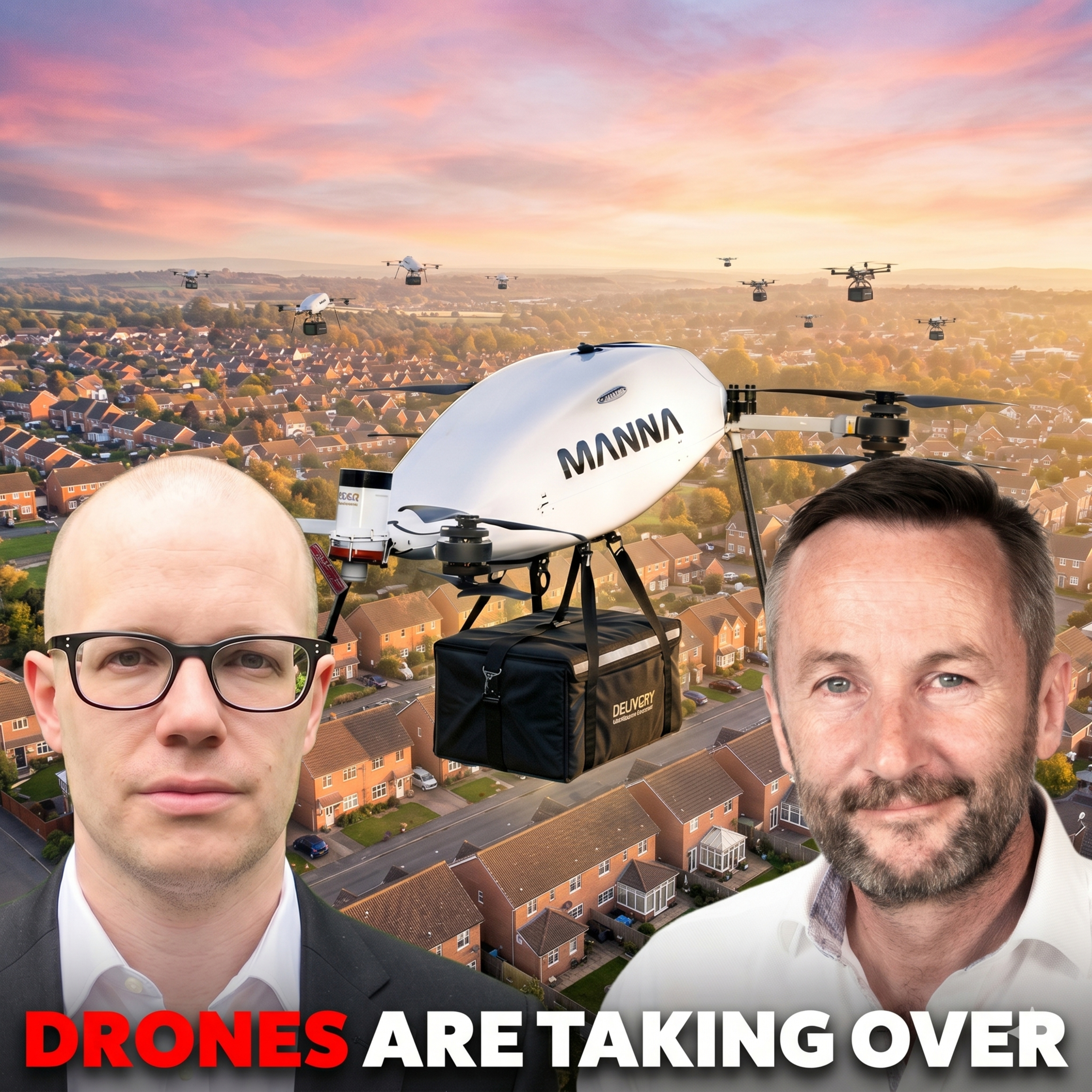
Maritime component suppliers often produce low volumes, creating massive bottlenecks for robotics scaling. Will O'Brien explains that Ulysses overcomes this limitation by anchoring designs to electric vehicle, aerial drone, and consumer electronics supply chains that inherently manufacture millions of units annually.
By building its software with abstract "primitives" instead of hardcoded features, Lumanic can quickly reconfigure its platform for different asset classes. This allows them to enter new markets by simply relabeling core components.

Underwater drone company Ulysses adopted heavy vertical integration after discovering the maritime industry's massive "Idiot Index" (the ratio of a part's cost to its raw material cost). Buying 20-year-old sensor technology at inflated prices was untenable, forcing them to build components like cameras and pressure vessels in-house to lower costs.

Instead of building large, single-purpose parabolic dishes, Northwood creates modular, flexible ground stations. This architecture allows them to serve a wide variety of missions and adapt to new use cases as they emerge, effectively operating as an 'index for space.'
Focusing on a single, narrow application limits long-term growth. By designing a scalable platform from the outset, MedTech companies can adapt their core technology to other procedures and markets, ensuring future viability and expansion opportunities.

Skydio intentionally spent its first decade focused on a single drone type. This patient approach allowed them to mature a core technology stack which now functions as a platform, enabling them to rapidly launch new drone form factors.
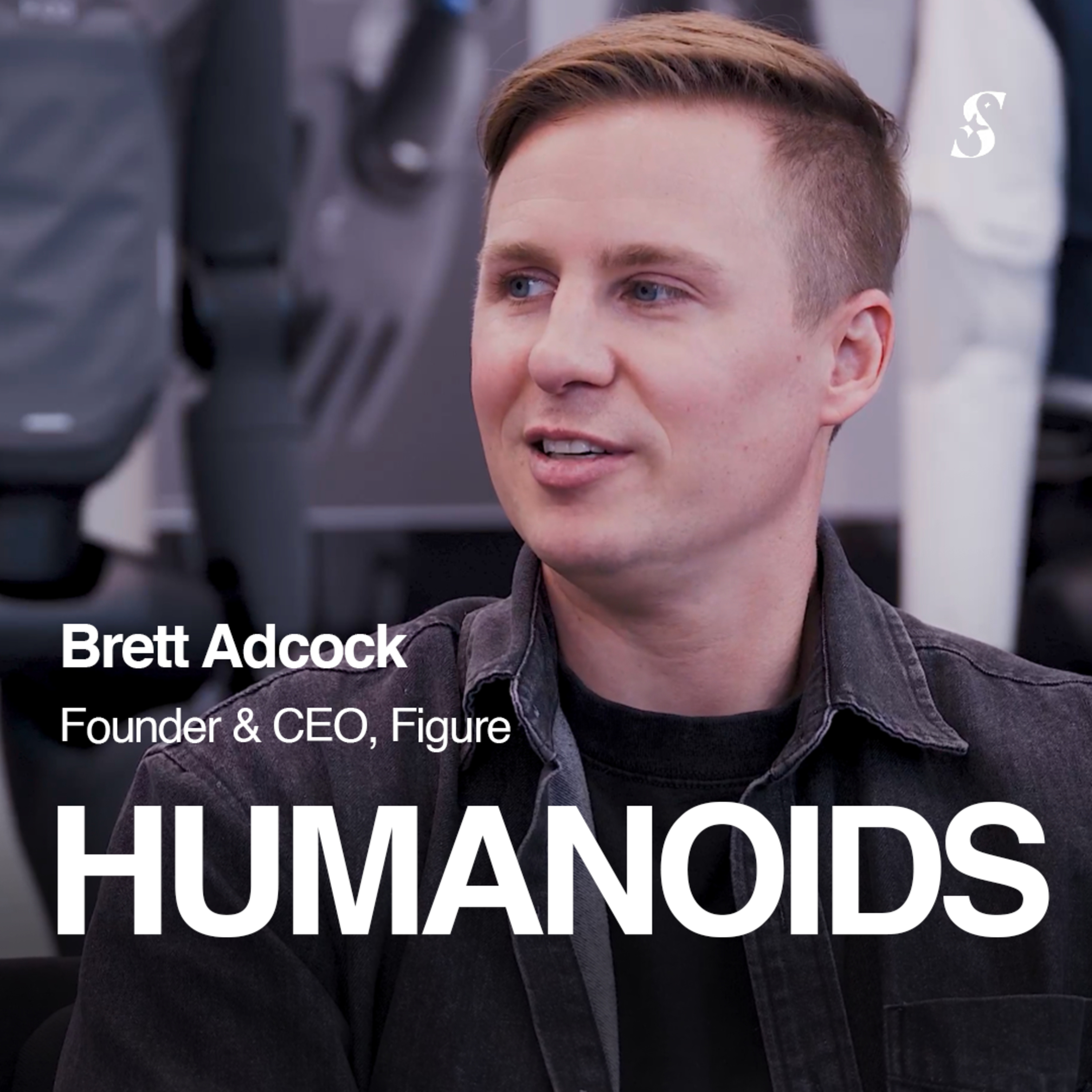
Figure designs nearly every component of its robots in-house, from motors to batteries. This extreme vertical integration, though costly upfront, prevents being at the mercy of third-party vendor timelines, code problems, or supply chain issues, enabling faster iteration and deeper system control.
Unlike mass manufacturers, defense tech requires flexibility for a high mix of low-volume products. Anduril addresses this by creating a core platform of reusable software, hardware, and sensor components, enabling fast development and deployment of new systems without starting from scratch.