Get your free personalized podcast brief
We scan new podcasts and send you the top 5 insights daily.
Even with full board support, a successor CEO may lack the intrinsic 'moral authority' to make drastic 'burn the boats' decisions. This courage is harder to summon without the deep-seated capital a founder naturally possesses, making company-altering transformation more challenging for an outsider.

Related Insights
It is significantly more difficult to step in as a non-founder CEO than to build a business from scratch. The new leader must contend with inherited business inertia, a pre-existing culture shaped by the founder, and constant comparisons, making transformative change much harder.
A16z's foundational belief is that founders, not hired "professional CEOs," should lead their companies long-term. The firm is structured as a network of specialists to provide founders with the knowledge and connections they lack, enabling them to grow into the CEO role and succeed.

For a controversial strategic shift, a co-founder's "moral authority" is invaluable. They can absorb the risk of looking foolish and give up their responsibilities ("Legos") to spearhead a new initiative. This allows them to champion a new direction with a level of credibility that can overcome internal skepticism.

The most common failure mode for a founder-CEO isn't a lack of competence, but a crisis of confidence. This leads to hesitation on critical decisions, especially firing an underperforming executive. The excuses for delaying are merely symptoms of this confidence gap.
When a founder advises a successor to 'make decisions that energize you,' it's a strategic directive, not a wellness tip. It serves as a guardrail against the 'death by a thousand cuts' that comes from compromising core beliefs just to make others comfortable, thereby preserving the vision.
All founders make high-impact mistakes. The critical failure point is when those mistakes erode their confidence, leading to hesitation. This indecisiveness creates a power vacuum, causing senior employees to get nervous and jockey for position, which spirals the organization into a dysfunctional, political state.

Founders often chase executives from successful scaled companies. However, these execs can fail because their experience makes them overly critical and resistant to the painful, hands-on work required at an early stage. The right hire is often someone a few layers down from the star executive.

Successor CEOs cannot replicate the founder's all-encompassing "working memory" of the company and its products. Recognizing this is key. The role must shift from knowing everything to building a cohesive team and focusing on the few strategic decisions only the CEO can make.
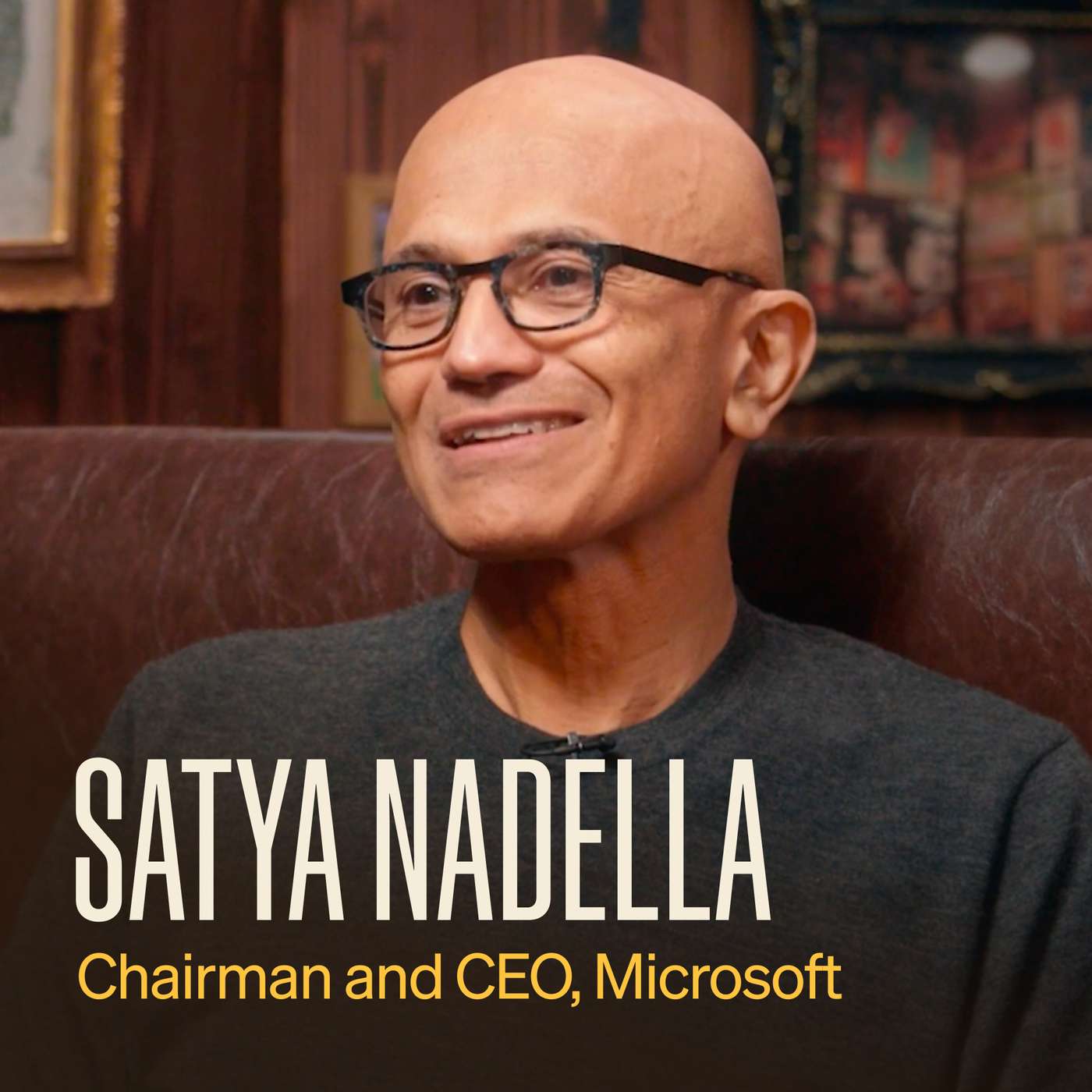
The ambition to be a CEO isn't just about leadership; it's a practical blend of ego, a need for control, and financial motivation. Critically, it stems from a deep-seated belief in one's own judgment and risk appetite, especially during pivotal market shifts that require bold, swift action.
Founders remain long after hired executives depart, inheriting the outcomes of past choices. This long-term ownership is a powerful justification for founders to stay deeply involved in key decisions, trusting their unique context over an expert's resume.
