Get your free personalized podcast brief
We scan new podcasts and send you the top 5 insights daily.
Startups like ElevenLabs and Midjourney compete with large AI labs by imbuing their models with a founder's specific 'taste.' This unique aesthetic, from voice texture to image style, creates a product identity that is difficult for a general, large-scale model to replicate.

Related Insights
Runway's CEO suggests that AI models possess a "personality" shaped by the company's objectives. A model built for ad-driven consumer apps will have a different "taste" and visual style than one designed for professional creative tools, making this implicit quality a key competitive differentiator.

In the AI era, where technology can be replicated quickly, the true moat is a founder's credibility and network built over decades. This "unfair advantage" enables faster sales cycles with trusted buyers, creating a first-mover advantage that is difficult for competitors to overcome.

ElevenLabs' defense against giants isn't just a better text-to-speech model. Their strategy focuses on building deep, workflow-specific platforms for agents and creatives. This includes features like CRM integrations and collaboration tools, creating a sticky application layer that a foundational model alone cannot replicate.
As AI makes software creation faster and cheaper, the market will flood with products. In this environment of abundance, a strong brand, point of view, taste, and high-quality design become the most critical factors for a product to stand out and win customers.

While large language models are a game of scale, ElevenLabs argues that specialized AI domains like audio are won through architectural breakthroughs. The key is not massive compute but a small pool of elite researchers (estimated at 50-100 globally). This focus on talent and novel model design allows a smaller company to outperform tech giants.

YC Partner Harsh Taggar suggests a durable competitive moat for startups exists in niche, B2B verticals like auditing or insurance. The top engineering talent at large labs like OpenAI or Anthropic are unlikely to be passionate about building these specific applications, leaving the market open for focused startups.
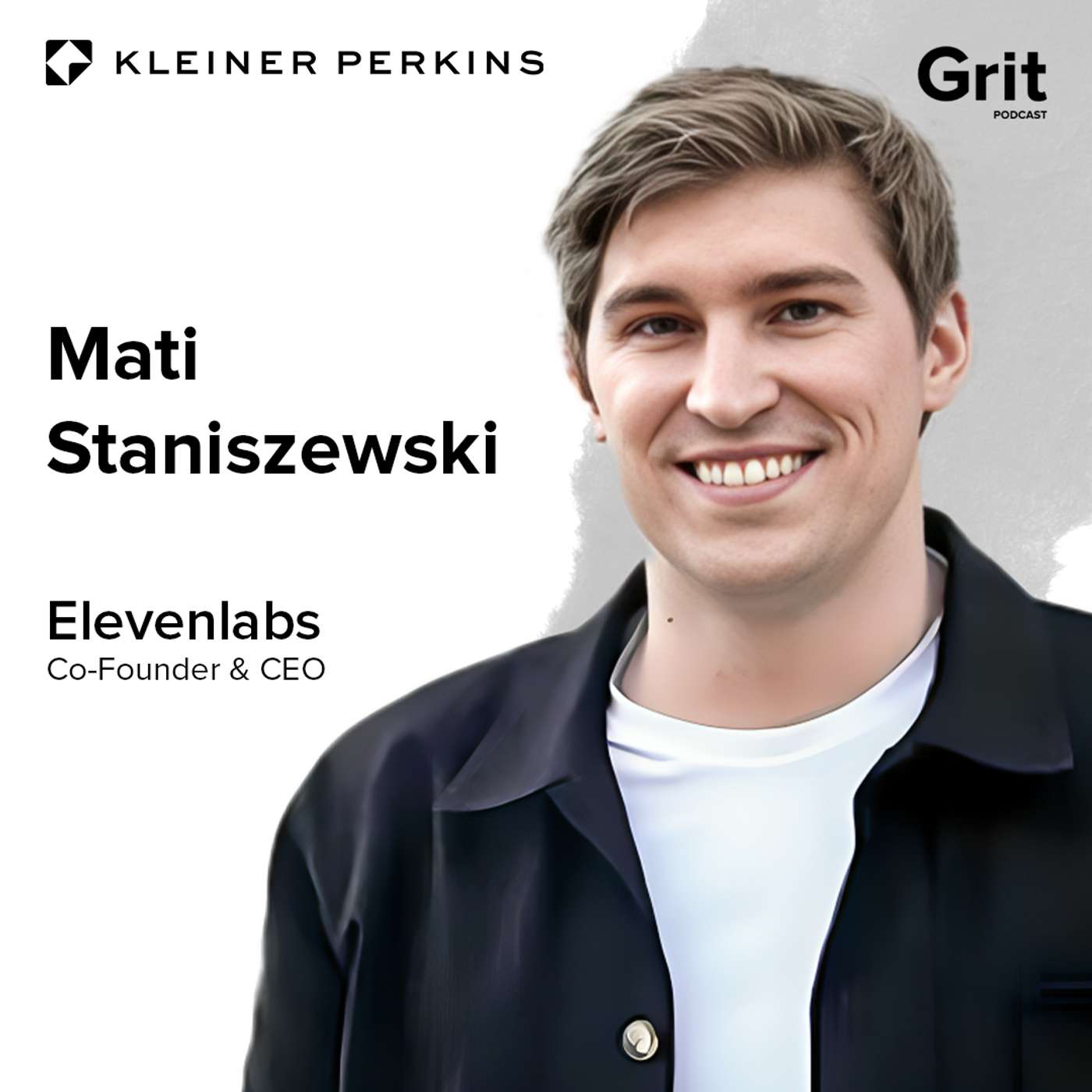
CEO Mati Staniszewski co-founded ElevenLabs after being frustrated by the Polish practice of dubbing foreign films with a single, monotonous voice. This hyper-specific, personal pain point became the catalyst for building a leading AI voice company, proving that massive opportunities can hide in niche problems.
When competing with AI giants, The Browser Company's strategy isn't a traditional moat like data or distribution. It's rooted in their unique "sensibility" and "vibes." This suggests that as AI capabilities commoditize, a product's distinct point of view, taste, and character become key differentiators.

Instead of just building a functional tool, the Monologue team focused on creating a beautiful, "Teenage Engineering-style" product with a unique aesthetic and custom sounds. This focus on craftsmanship and user delight serves as a key differentiator against larger, venture-backed competitors in a crowded market.
Contrary to the belief that distribution is the new moat, the crucial differentiator in AI is talent. Building a truly exceptional AI product is incredibly nuanced and complex, requiring a rare skill set. The scarcity of people who can build off models in an intelligent, tasteful way is the real technological moat, not just access to data or customers.