Get your free personalized podcast brief
We scan new podcasts and send you the top 5 insights daily.
Gilly Shwed recalls that the day after Google's IPO, a monumental success for Sequoia Capital, the firm's all-hands meeting was titled "How can we do better?" This embodies a culture of relentless self-improvement that never rests on past achievements.

Related Insights
To combat complacency, Sequoia's office has a wall where every investor has personally written, "We are only as good as our next investment." This daily, physical reminder reinforces the firm's cultural paranoia and focus, ensuring they never rest on past successes.
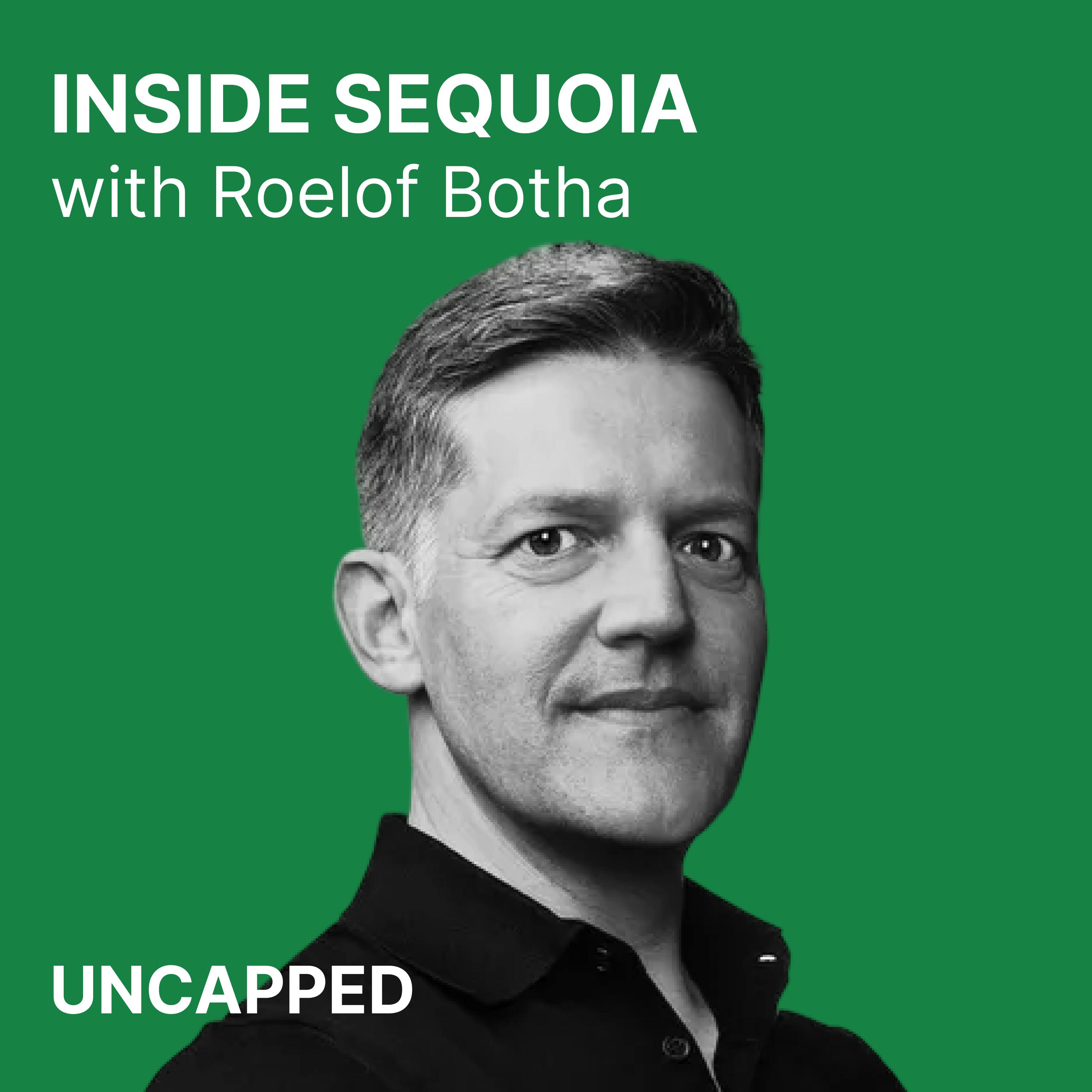
Roelof Botha describes the pressure of leading Sequoia, a firm whose portfolio comprises 30% of NASDAQ's value. This legacy creates a "burden" and an expectation to maintain top performance, demanding continuous innovation to avoid becoming "yesterday's winners."
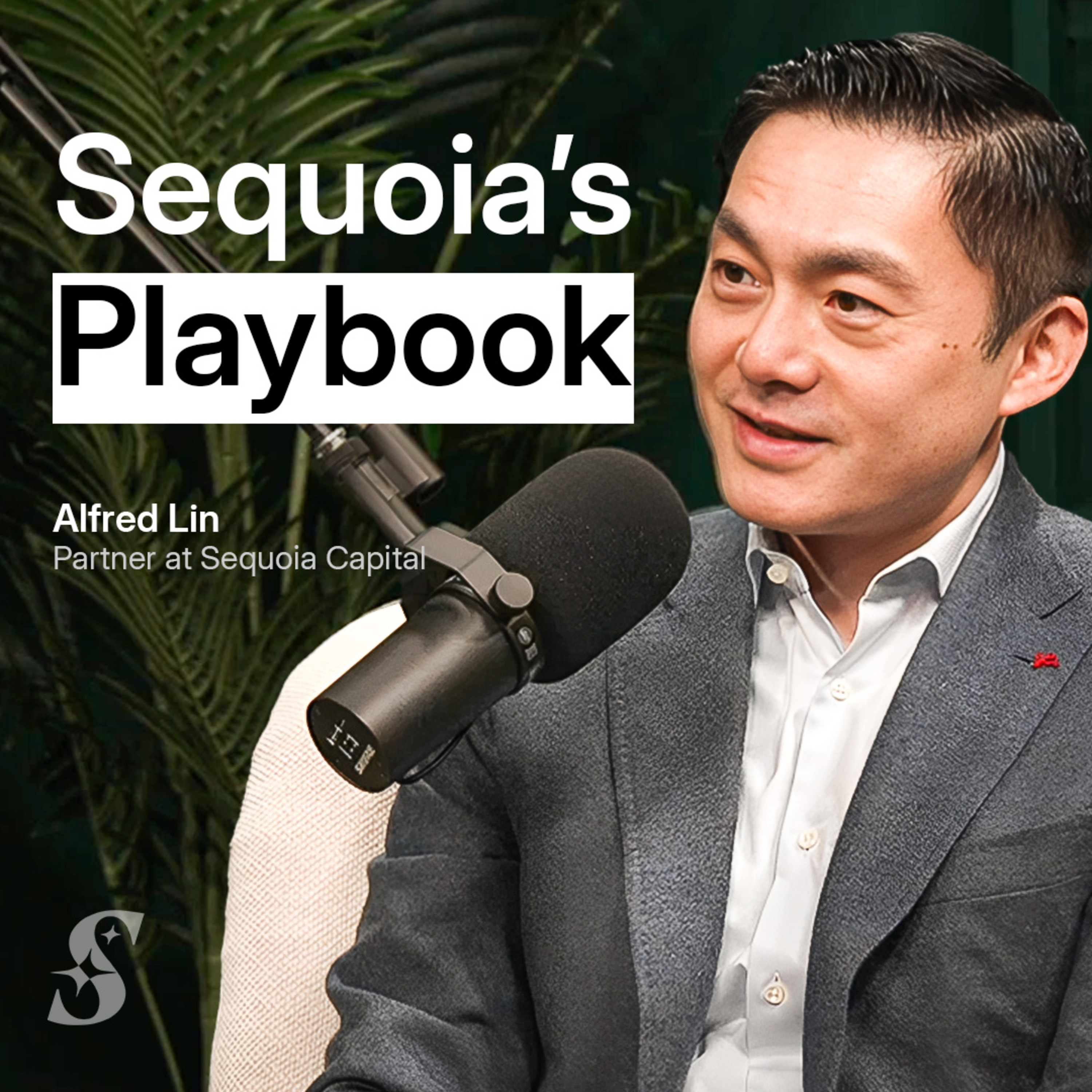
Top board member Alfred Lin provides counter-cyclical mentorship. He champions the company during tough times to boost morale and plays devil's advocate during success to prevent complacency. This keeps founders grounded and forces nuanced thinking about trade-offs.

Alfred Lin's framework for board members is to be supportive 'shock absorbers' during hardships, helping founders pick up the pieces. When the company is succeeding, they become 'sparring partners' to challenge founders, prevent complacency, and push the business to the next level.
Alpine Investors applies the same operational rigor to its own firm as it does to its investments. By running quarterly "Opportunity for Improvement" (OFI) projects, small internal teams tackle challenges or scale successes, creating compounding innovation within the firm itself.

Instead of only celebrating wins and analyzing losses, Apollo's leadership instituted "near-miss reviews." They analyze successful investments that could have gone wrong "but for the skin of our teeth." This process uncovers hidden risks and flawed assumptions, strengthening the firm's underwriting for future deals.

In a moment of candor, Accel's Miles Clements shared that the firm's partners hold global offsites to analyze their biggest misses, such as not investing early in foundation model companies. They grade their performance against the world's top 50 private companies and strategize on how to win the next 50, showcasing a rigorous process for self-correction.

To ensure the "triumph of ideas, not the triumph of seniority," Sequoia uses anonymized inputs for strategic planning and initial investment votes. This forces the team to debate the merits of an idea without being influenced by who proposed it, leveling the playing field.
Sequoia frames leadership changes not as takeovers but as "intergenerational transfers" of stewardship. This cultural focus on leaving the firm better than they found it is key to its longevity and successful transitions, a model for any long-term partnership.

Sequoia makes consensus investment decisions, viewing each deal as "our investment." This is only possible through a culture of high trust and "front stabbing"—brutally honest, direct debate about a deal's merits. This prevents passive aggression and ensures collective ownership.