Get your free personalized podcast brief
We scan new podcasts and send you the top 5 insights daily.
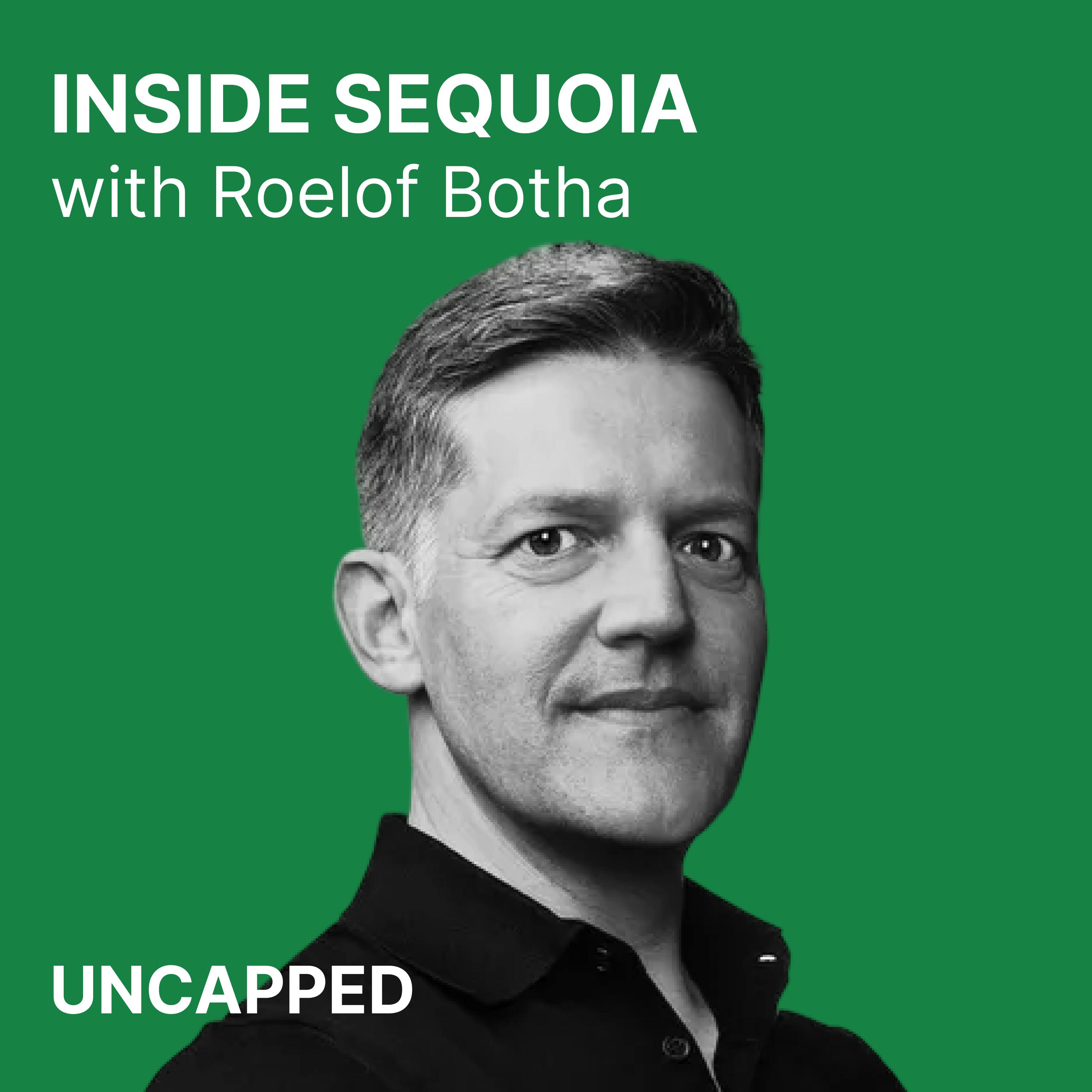
Roelof Botha describes the pressure of leading Sequoia, a firm whose portfolio comprises 30% of NASDAQ's value. This legacy creates a "burden" and an expectation to maintain top performance, demanding continuous innovation to avoid becoming "yesterday's winners."
Related Insights
To combat complacency, Sequoia's office has a wall where every investor has personally written, "We are only as good as our next investment." This daily, physical reminder reinforces the firm's cultural paranoia and focus, ensuring they never rest on past successes.
Trying to win a competitive Series A against a firm like Sequoia is nearly impossible for a smaller fund. Top firms leverage an overwhelming arsenal of social proof, including board seats at the world's most valuable companies and references from iconic founders, creating an insurmountable competitive moat.

Top board member Alfred Lin provides counter-cyclical mentorship. He champions the company during tough times to boost morale and plays devil's advocate during success to prevent complacency. This keeps founders grounded and forces nuanced thinking about trade-offs.

The leadership change at Sequoia, arguably the world's top venture firm, is a strong indicator of the intense pressure the entire VC industry faces. It reflects a fear of falling behind in the AI race and the brutal reality that even the best are struggling to adapt to the new competitive landscape.

VCs at the highest level don't just write checks; they fundamentally reset a founder's aspirations. By placing a startup in the lineage of giants like Google and Oracle, they shift the goal from building a big business to creating a generational company.
Venture capital returns materialize over a decade, making short-term outputs like markups unreliable 'mirages.' Sequoia instead measures partners on tangible inputs. They are reviewed semi-annually on the quality of their decision-making process (e.g., investment memos) and their adherence to core team values, not on premature financial metrics.

As companies scale, the "delivery" mindset (efficiency, spreadsheets) naturally pushes out the "discovery" mindset (creativity, poetry). A CEO's crucial role is to act as "discoverer-in-chief," protecting the innovation function from being suffocated by operational demands, which prevents the company from becoming obsolete.

To ensure the "triumph of ideas, not the triumph of seniority," Sequoia uses anonymized inputs for strategic planning and initial investment votes. This forces the team to debate the merits of an idea without being influenced by who proposed it, leveling the playing field.
Calling its leader a "Steward" reveals Sequoia's evolution. The role is less about disruptive deal-making and more about managing a massive financial institution, akin to an endowment. This reframes a leader's short tenure not as a failure, but as a potentially undesirable management job for a classic VC.

Series A is a brutal competition where top-tier firms have an insurmountable advantage. Their brand and network are so powerful that if a smaller fund wins a competitive Series A deal against them, it’s a strong negative signal that the top firms passed for a reason.