Get your free personalized podcast brief
We scan new podcasts and send you the top 5 insights daily.
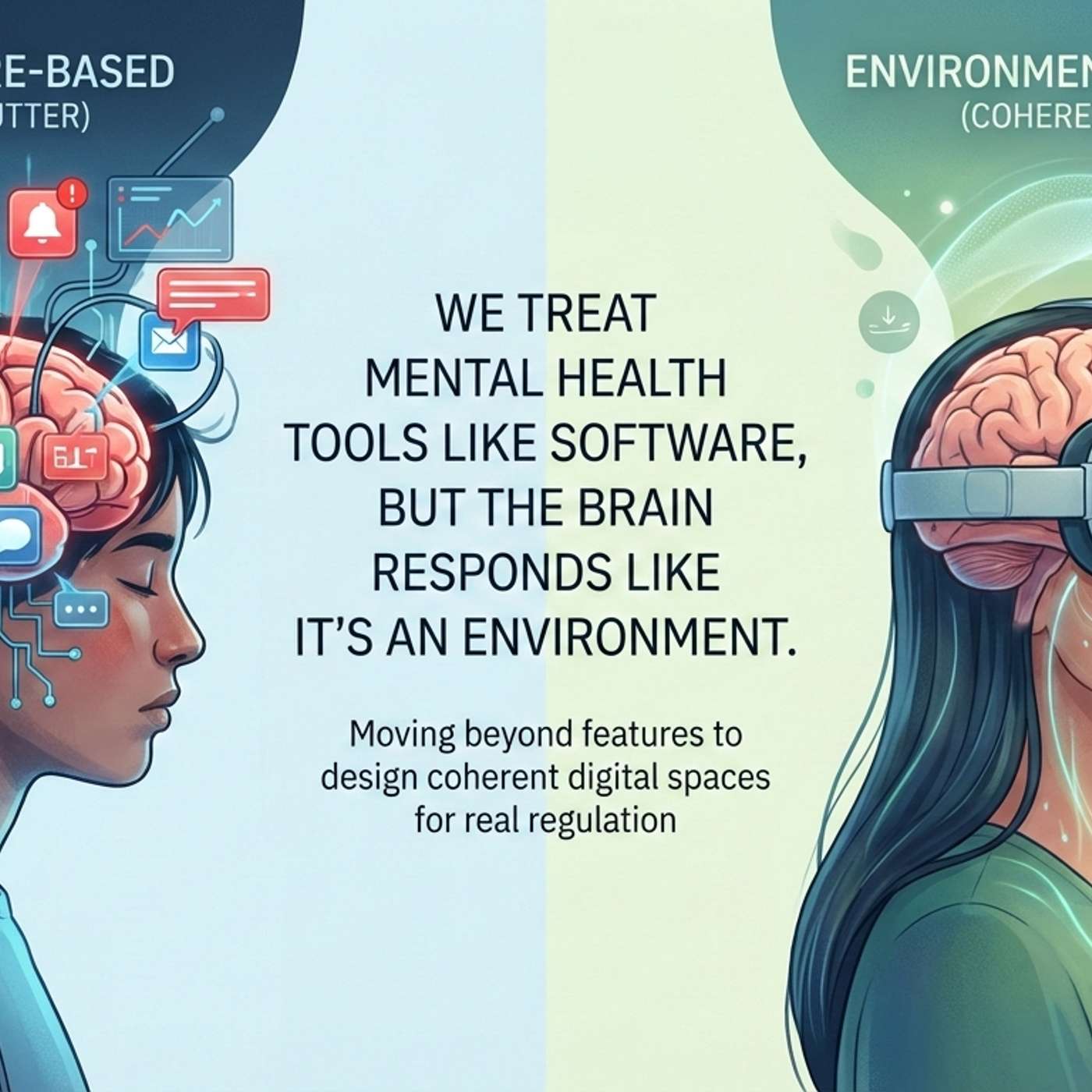
Effective recovery from burnout or stress requires restoring a sense of self, not just managing symptoms. Most apps focus on tasks and interventions, which can reinforce a user's feeling of disconnection. Lasting change happens when a digital environment supports a user's self-continuity, rather than treating them as an operator completing exercises.
Related Insights
Burnout isn't a single condition. Emotional exhaustion needs a break (vacation). A lack of self-efficacy requires skill development (upskilling). Cynicism, the hardest to fix, demands rediscovering your 'why' (inspiration). Misdiagnosing the cause leads to ineffective solutions.

Tech culture incorrectly equates sensory immersion with therapeutic impact. High intensity can overwhelm the nervous system, causing fatigue or dissociation, even with positive content. The goal of immersive tech in mental health should be to orient the user and create predictability, not to 'impress' them, as the nervous system benefits from orientation, not just stimulation.
You cannot think your way out of perfectionism with worksheets or intellectual exercises. Recovery is like learning to ride a bike: it requires a safe, experiential process. The therapeutic relationship provides a space to practice vulnerability and build a new, healthier way of relating to oneself, which information alone cannot achieve.

People consume endless self-help content but fail to change because the problem isn't a lack of information. True behavioral change requires intense, consistent intervention, which is why long-term therapy works where books and videos fail to create lasting impact.

Shift the focus of mental health from coping and feeling comfortable to building the capacity to handle life's challenges. The goal isn't to feel better, but to become a better, more resilient person through difficult experiences.

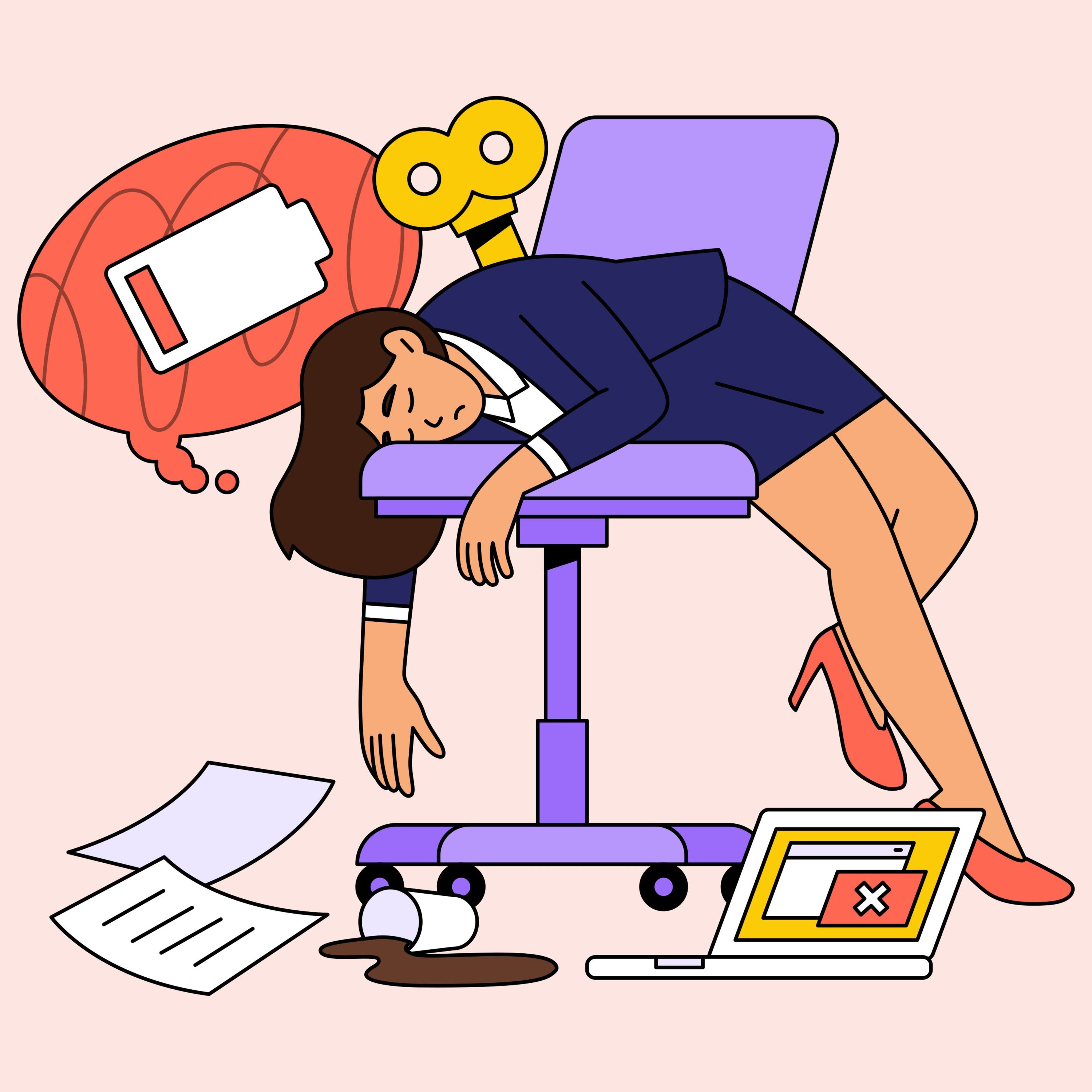
To combat mental exhaustion from work, passive relaxation like watching TV is insufficient and leads to waking up tired. You need active recharging—activities like exercise, creative pursuits, or socializing—to refill your energy. Our brains confuse mental and physical fatigue, but only active engagement recharges the mind.

The common feeling of needing to 'detox' from a phone or computer is a sign of a broken user relationship. Unlike a sofa, we can't simply replace it. This aversion stems from devices being filled with applications whose incentives are not aligned with our well-being, a problem AI will amplify.

The current trend of building huge, generalist AI systems is fundamentally mismatched for specialized applications like mental health. A more tailored, participatory design process is needed instead of assuming the default chatbot interface is the correct answer.
While the absence of human judgment makes AI therapy appealing for users dealing with shame, it creates a paradox. Research shows that because there's no risk, users are less motivated and attached, as the "reflection of the other" feels less valuable or hard-won.
The brain perceives digital products as environments, not isolated features. A calming feature within a fragmented, attention-hungry app will fail because the surrounding context constantly pulls the nervous system into stress. The 'container' is more critical for lasting results than the specific intervention or content.