Get your free personalized podcast brief
We scan new podcasts and send you the top 5 insights daily.
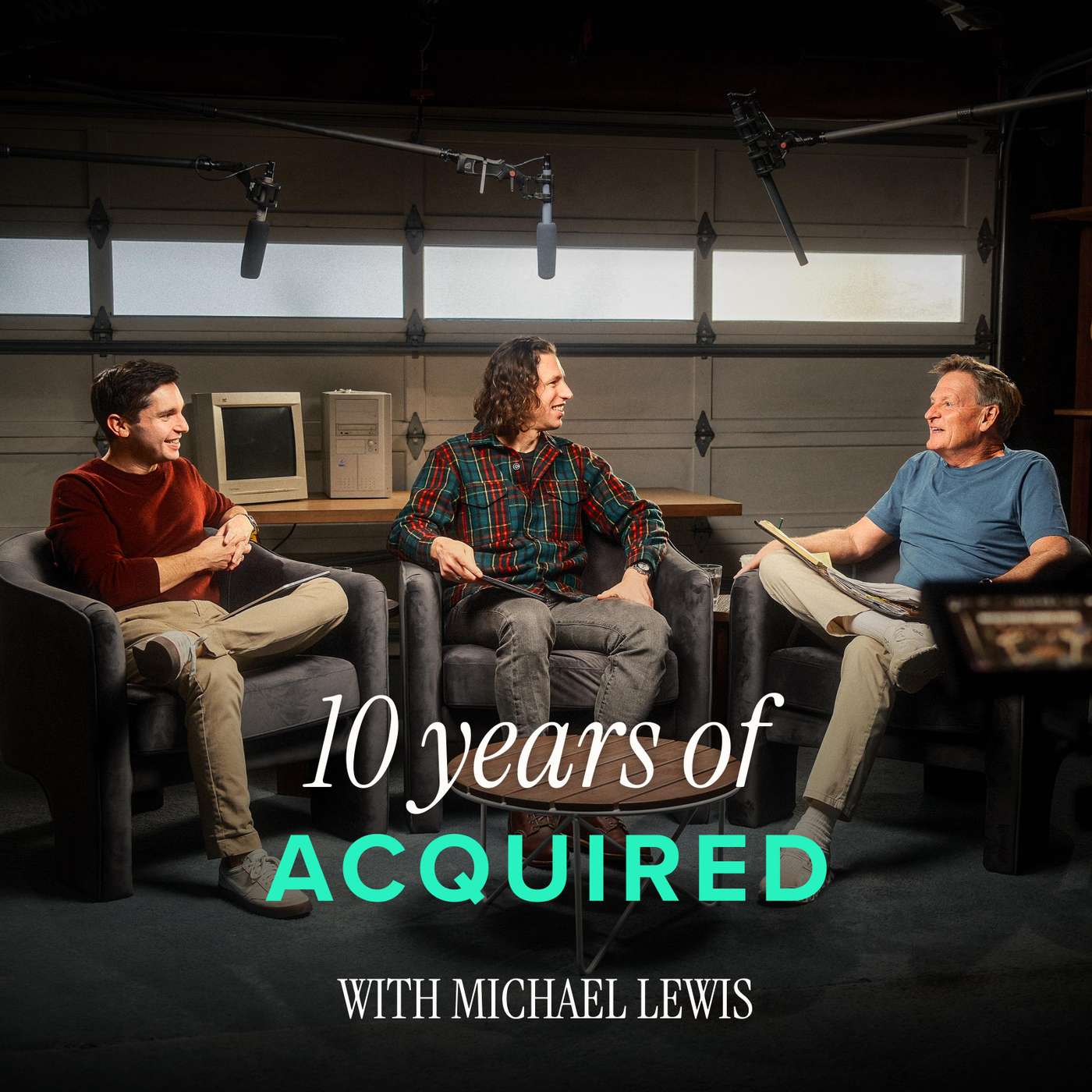
The founders of Acquired consciously choose not to build a large media company, a decision reinforced by an investor who warned that many founders become trapped in "prisons of their own making." By prioritizing founder control and lifestyle, they avoid the obligations that come with scaling an enterprise.
Related Insights
A founder reflects on leaving a fulfilling lifestyle business to chase a VC-backed venture. He attributes this to the "Silicon Valley Kool-Aid"—an industry narrative suggesting that if you aren't building a potential billion-dollar company, you lack ambition or are a "loser."

The newsletter's founders intentionally resist expansion, avoiding the investor-driven pressure for scale that often compromises creative products. By focusing on a model that makes them happy and serves their existing audience, they've built a sustainable, highly profitable business without chasing growth for its own sake.

Seneca's founder turned down lucrative offers to run larger companies. For him, the unique, "insanely gratifying" value of founding is the ability to create the mission from scratch and dedicate his life force to a specific desired change in the world, a power not available in an existing CEO role.

Founders often start scrappy out of necessity and dream of lavish resources. However, once successful, many realize that small, lean, and scrappy teams are more effective. This creates a paradox where the most successful entrepreneurs intentionally revert to the resource-constrained mindset they once tried to escape.

Instead of chasing massive, immediate growth, Chomps' founders focused on a sustainable, self-funded model. This gradual scaling allowed them to control their destiny, prove their model, and avoid the pressures of early-stage investors, which had burned one founder before.

Social media's "highlight reels" create pressure to build massive companies. Instead of chasing vanity metrics, owners should define what success looks like for them personally. A profitable company that affords a great life is often a better goal than a stressful, high-growth venture that doesn't align with your values.
Beyond financials or deal terms, the single most cited frustration for founders post-acquisition is the loss of control over the company culture they built. This emotional attachment often outweighs other challenges, highlighting what founders truly value.
Gladwell agrees with a former colleague's critique that trying to pursue rapid growth was wrong for his media company. He now believes their high-quality, narrative-driven work is fundamentally unscalable and that the company is healthier and happier being smaller and more focused.

Bumble's founder believes the initial, all-consuming obsession is critical for getting a startup off the ground. However, this same intensity becomes a liability as the company matures. Leaders must evolve and create distance to gain the perspective needed for long-term growth and to avoid stifling opportunity.

As a creative business scales, its operational needs and existing structure can start dictating strategy, stifling the original vision. Founders must actively resist this inertia to avoid simply servicing the machine they've built.
