Get your free personalized podcast brief
We scan new podcasts and send you the top 5 insights daily.
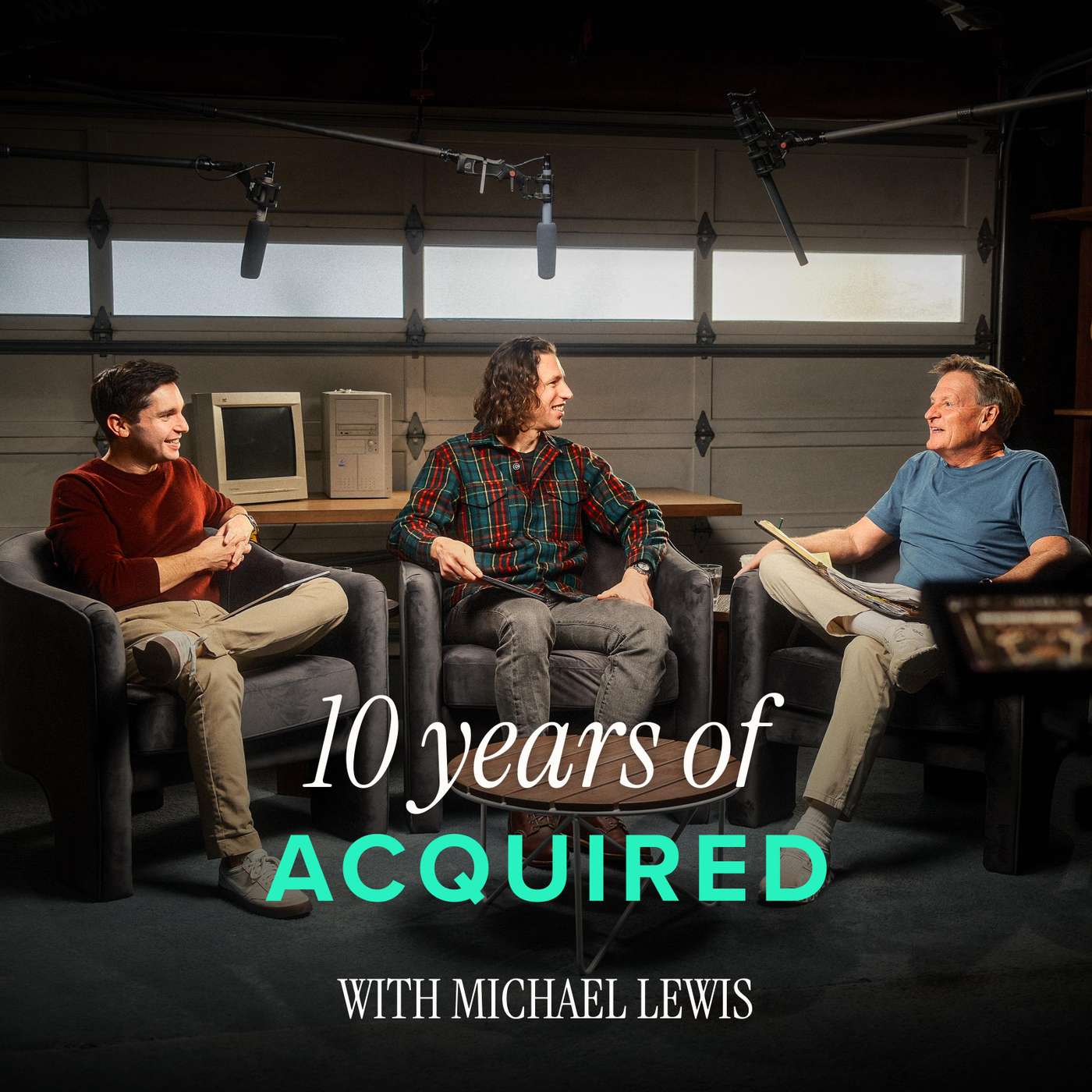
Author Michael Lewis notes his books feel like new startups, while Acquired's podcast format builds a compounding audience. When they release a new "book" (episode), it's automatically delivered to their entire subscriber base, creating a powerful growth flywheel that traditional media lacks.
Related Insights
Unlike ephemeral social media posts, a podcast's episode library is an evergreen asset. The speaker notes that 50% of her monthly downloads come from old episodes, creating a system that generates value 24/7 and compounds over time, long after the initial creation effort.

Treat your podcast as a trust-building engine with the primary goal of converting listeners into email subscribers. Downloads are a vanity metric on a rented platform; an owned audience on an email list is a controllable asset that enables long-term, sustainable business growth.

Chasing viral moments is a losing game. The deep, intimate connection built by being a consistent voice in someone's ears via a podcast creates more brand equity and drives bigger results than any fleeting viral hit. Trust, earned over time, compounds and cannot be bought.
Blockworks is focusing its distribution on podcasts and newsletters to cultivate an "owned" audience with high loyalty. This is a strategic pivot away from relying on news-driven website visits, which constitute a less predictable "rented" audience that is harder to monetize for new data products.

Longer content (podcasts, long videos) allows for exponentially more "reinforcing cycles"—instances where you provide valuable advice and build trust. A two-hour video can provide the same exposure as 480 short clips, building deeper influence.

A podcast isn't just content; it's a tool for building parasocial relationships. This creates a "tuning fork" effect, attracting high-caliber listeners and guests who feel they already know you, leading to valuable real-world connections and opportunities.

Instead of relying on unpredictable Hollywood deals, Gladwell's Pushkin Industries uses a multi-layered approach. A narrative podcast is the low-cost first version, which is then expanded into more profitable audiobooks and print books to reach different audiences with the same core material.

By releasing only 8-12 episodes a year, the podcast "Acquired" mimics the NFL's event-driven model. This scarcity elevates each release, turning it into a highly anticipated event rather than routine content, driving listener engagement and perceived value.
A single podcast episode serves as a content hub that can be repurposed into social posts, newsletters, and videos. This "compound content return" builds a lasting asset, freeing you from the daily content treadmill required by social media.