Get your free personalized podcast brief
We scan new podcasts and send you the top 5 insights daily.
Benchmark's successful AI investments (e.g., Sierra, Langchain) weren't the result of a top-down thematic strategy. Instead, their founder-centric approach led them to back exceptional individuals, which organically resulted in a diverse portfolio across the AI stack before it was obvious.

Related Insights
AI models in venture capital remain effective over time because the core psychological and experiential profiles of successful founders don't change much. While markets and technologies evolve rapidly, the underlying human traits that lead to success are consistent, making historical data a reliable training set for founder screening.
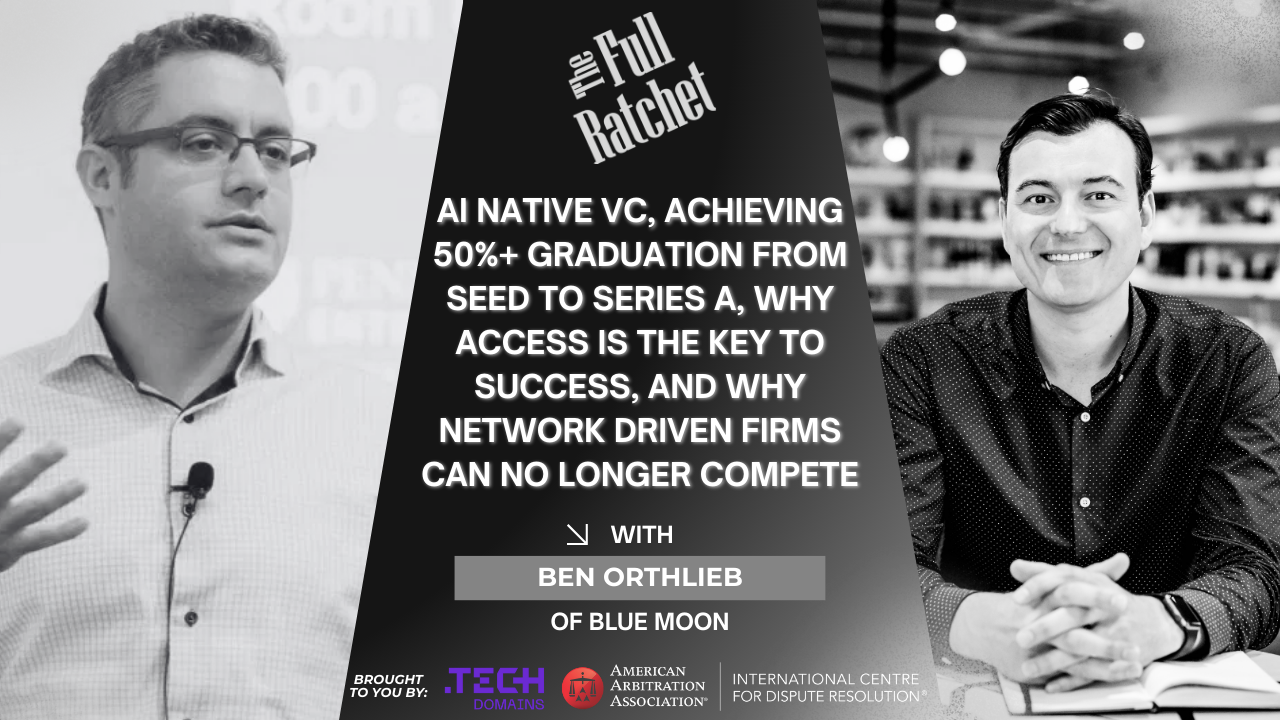
Redpoint Ventures' Erica Brescia describes a shift in their investment thesis for the AI era. They are now more likely to back young, "high-velocity" founders who "run through walls to win" over those with traditional domain expertise. Sheer speed, storytelling, and determination are becoming more critical selection criteria.

AI doesn't replace business fundamentals; it accelerates them. The most successful founders apply timeless frameworks for building valuable companies—like achieving product-market fit—but use modern AI tools to run experiments and learn at a massively compressed time and cost.

During a fundamental technology shift like the current AI wave, traditional market size analysis is pointless because new markets and behaviors are being created. Investors should de-emphasize TAM and instead bet on founders who have a clear, convicted vision for how the world will change.

A new benchmark from the University of Oxford, VC-Bench, found that AI models like DeepSeek Chat can predict founder success (defined as a >$500M exit or raise) with 80% accuracy based on anonymized profiles. This starkly contrasts with the 23% accuracy of human VCs, questioning the notion that venture investing is an inimitable human art.

Investing in the world's top AI research teams carries a unique risk profile. While the business outcome has high variance, the capital risk is asymmetric. The founders are so valuable that an acqui-hire is a highly probable outcome, creating a floor on the investment's value.

While technical founders excel at finding an initial AI product wedge, domain-expert founders may be better positioned for long-term success. Their deep industry knowledge provides an intuitive roadmap for the company's "second act": expanding the product, aligning ecosystem incentives, and building defensibility beyond the initial tool.
The investment thesis for Harmonic AI was twofold: backing Vlad Tenev, a proven founder who is still rapidly learning and improving, and supporting a differentiated strategy focused on reinforcement learning for mathematics, which sidestepped the costly race for general-purpose AI models.
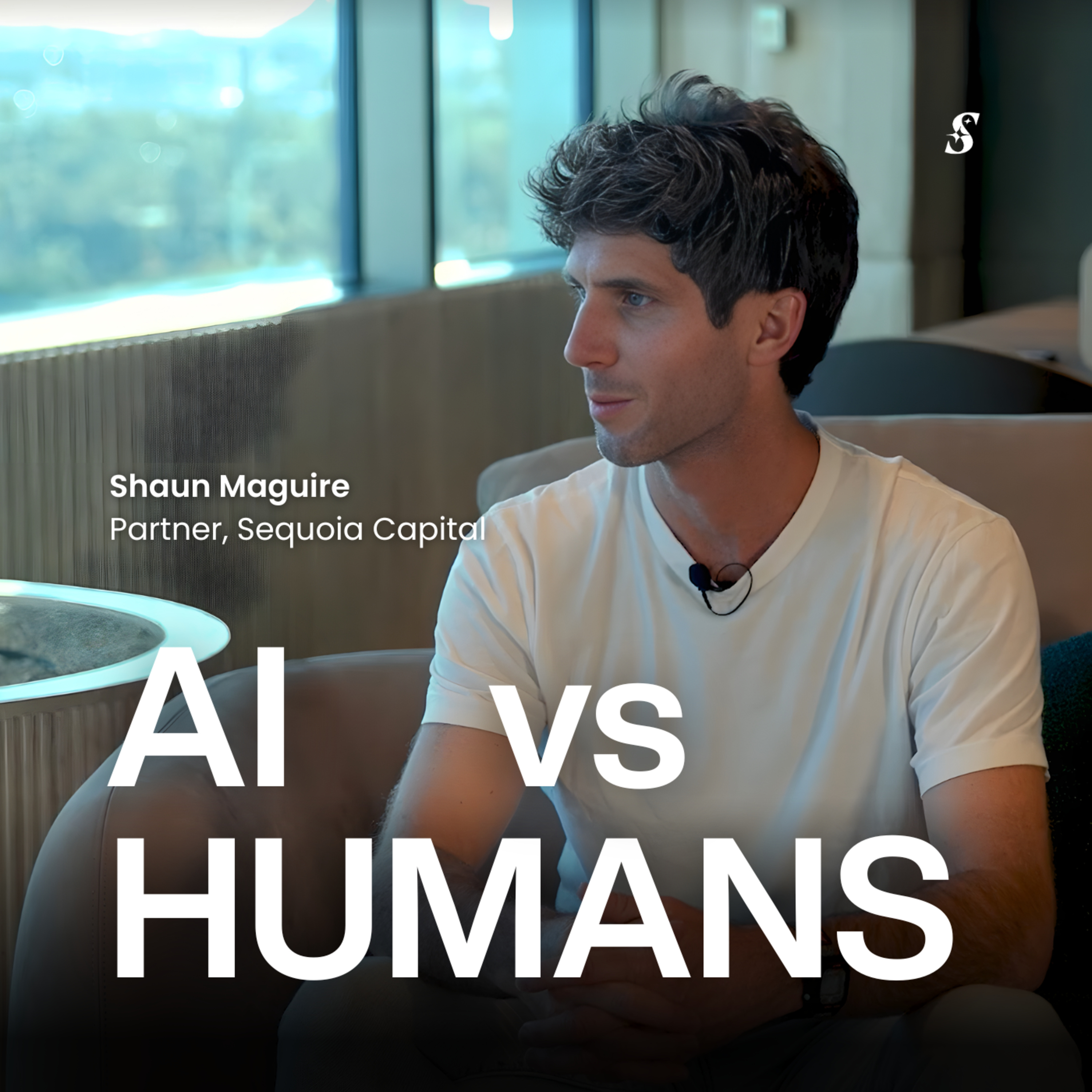
VCs often correctly identify a special founder but then pass due to external factors like competition or perceived market size. Reflecting on missing Scale AI, Benchmark concludes this is a critical error; the person is the signal that should override other concerns.
During major tech shifts like AI, founder-led growth-stage companies hold a unique advantage. They possess the resources, customer relationships, and product-market fit that new startups lack, while retaining the agility and founder-driven vision that large incumbents have often lost. This combination makes them the most likely winners in emerging AI-native markets.