Get your free personalized podcast brief
We scan new podcasts and send you the top 5 insights daily.
Aliko Dangote reveals that not fully comprehending the immense scale of his $20B refinery at the outset was a blessing. This 'strategic ignorance' prevented him from being overwhelmed by a project he might otherwise have deemed impossible and abandoned before starting.

Related Insights
Healy acknowledges his decision to expand to the UK as a small regional brand was illogical and naive. He believes this lack of foresight is crucial for entrepreneurs, as knowing the true difficulty of a venture would prevent them from attempting such bold, category-defining moves in the first place.

A full understanding of a complex industry's challenges can be paralyzing. The founder of Buildots admitted he wouldn't have started the company if he knew how hard it would be. Naivety allows founders to tackle enormous problems that experienced operators might avoid entirely.

The primary benefit of Aliko Dangote's massive oil refinery for Nigeria is not just influencing prices, but guaranteeing the availability of petroleum products. This creates energy independence and resilience against geopolitical shocks, effectively ending decades of fuel shortages and making the refinery a strategic national asset.

Founders shouldn't be deterred by their lack of knowledge. Seeing the full scope of future challenges can be overwhelming. A degree of ignorance allows entrepreneurs to focus on immediate problems and maintain the momentum crucial for survival in the early stages.

Zipline's founder admits they had almost no tactical plan at the start. The high-level vision was clear, but the path was unknown and the venture was illegal in their target market. This highlights the necessary naivety to tackle moonshot projects; a full understanding of the difficulty would be paralyzing.

Jeff Chang admits that if he had known upfront that building his company would require over four years without pay, he might not have started. This ignorance of the full extent of the struggle—seeing only the next step instead of the entire mountain—can be a "superpower" that allows founders to persevere through otherwise discouraging challenges.

Dangote explains his intense work ethic, even in his late 60s, by framing his business not as a job but as a hobby. This mindset shift allows him to dedicate himself fully without burnout, transforming work into a passion he loves, despite believing business and pleasure don't mix.
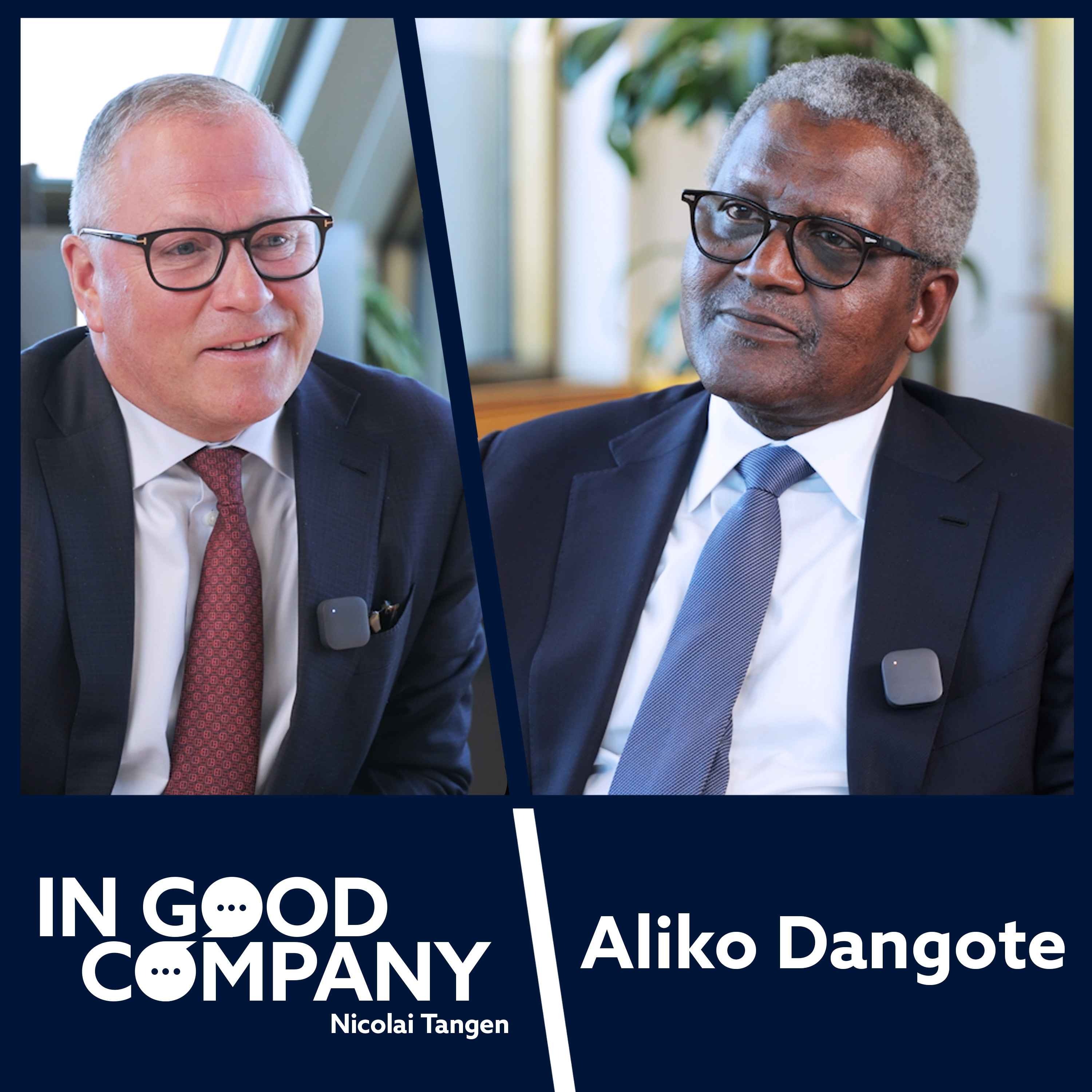
Despite being a major Nigerian project, the Dangote refinery prioritizes efficiency by using a lean staff and relying heavily on foreign subcontractors, particularly Indian experts, for high-skilled roles. This approach limits the transfer of technical knowledge to the local workforce, undermining a key potential benefit of such a large domestic investment.
When discussing his world-scale oil refinery, Dangote confesses that had he seen the complete, daunting plans at the outset, he would have abandoned the project. This highlights how a degree of initial ignorance can be necessary to undertake audacious, complex ventures.
Ed Stack's first major expansion was plagued by mistakes because he was ignorant of real estate and construction norms. This naivety, however, was an asset. It allowed him to act without the paralyzing fear of everything that could go wrong—the very fear that had stopped his father for decades. Ignorance can be a catalyst for bold action.
![Ed Stack: Lessons from Dick’s Sporting Goods [Outliers] thumbnail](https://megaphone.imgix.net/podcasts/2e1ece1e-9418-11f0-a293-fbf26a5641f7/image/c326da117a8c3f34b0eb64d2cab694ad.png?ixlib=rails-4.3.1&max-w=3000&max-h=3000&fit=crop&auto=format,compress)