Get your free personalized podcast brief
We scan new podcasts and send you the top 5 insights daily.
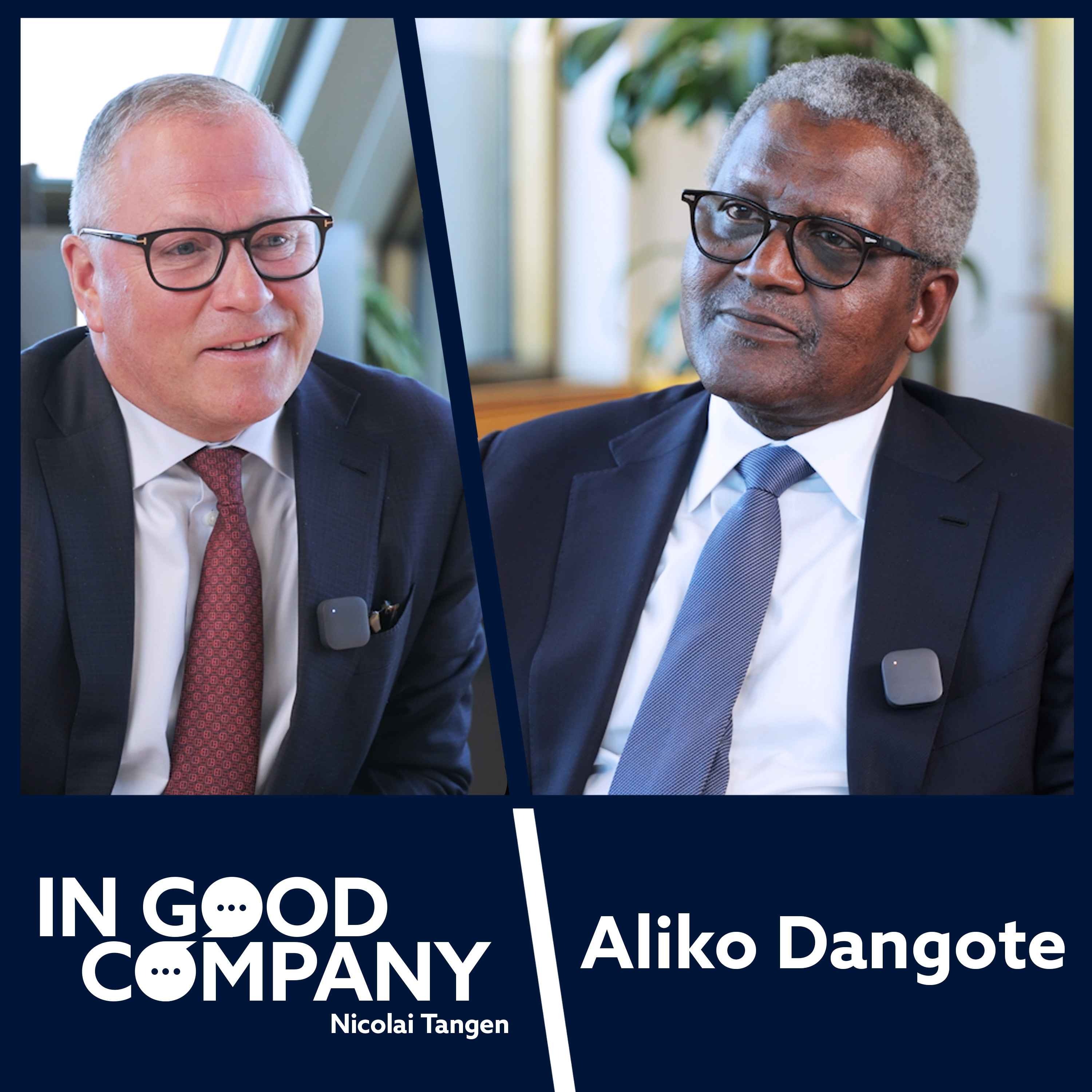
Dangote explains his intense work ethic, even in his late 60s, by framing his business not as a job but as a hobby. This mindset shift allows him to dedicate himself fully without burnout, transforming work into a passion he loves, despite believing business and pleasure don't mix.
Related Insights
Many executives spend significant time on hobbies like golf or hunting. John Morgan rejects this, stating, 'I don't hunt deer, I hunt money.' He dedicates his free time to spotting opportunities and building new ventures, treating business creation itself as his primary hobby and source of enjoyment.

Many are motivated by outcomes: money, status, possessions. This leads to burnout and insecurity. The key to longevity is being intrinsically motivated by the process and challenges of business itself. When you love the game more than its rewards, you become immune to fear of failure.

High-achievers often link their self-worth to business outcomes, causing anxiety. The counterintuitive insight is that true effectiveness comes from combining massive ambition with the understanding that business is just a game. This detachment removes fear of failure.
If you don't genuinely love what you're doing, you won't have the resilience to overcome challenges or make customer-centric decisions. Passion is the fuel for the sustained effort required, not a fluffy concept, and is ultimately a key operational advantage.
Rejecting the popular notion of work-life balance, Knight actively sought imbalance. His goal wasn't to separate work from life but to merge them by finding a mission he was so obsessed with that it felt like play. This reframes the goal from achieving balance to finding a fulfilling obsession that pulls you forward.
![[Outliers] Phil Knight: The Obsession That Built Nike thumbnail](https://megaphone.imgix.net/podcasts/9c0d00ea-df1d-11ef-9477-2b8336fcd8e9/image/113a058265322df92ae562c548d1dc8f.jpg?ixlib=rails-4.3.1&max-w=3000&max-h=3000&fit=crop&auto=format,compress)
To fully commit to building his industrial empire in Nigeria, Dangote sold his personal mansions in the U.S. and U.K. He reasoned that owning holiday homes creates an artificial need to take time off to use them, serving as a distraction from his core mission. He now uses hotels exclusively.
Despite immense financial success, Anastasia Soare maintains the same work ethic she had when starting out. She intentionally ignores her wealth and works with the urgency of a new venture, believing this relentless drive is essential for sustained passion and success in entrepreneurship.

A powerful redefinition of success is moving away from an identity centered on your profession. The ultimate goal is to cultivate a life so rich with hobbies, passions, and relationships that your job becomes the least interesting aspect of who you are, merely a bystander to a well-lived life.

Diana Chapman simplifies her work life by holding two contradictory truths: her work has a meaningful impact, AND the world would be fine without her. This mental model allows for passionate engagement without the ego-driven pressure that leads to unsustainable habits and complexity.

It's easy to want the results of success (the 'life'), but you must genuinely enjoy the daily process (the 'lifestyle') to persevere. If you aren't willing to pay the price of the day-to-day grind, you won't stick with it long enough to achieve the outcome.