Get your free personalized podcast brief
We scan new podcasts and send you the top 5 insights daily.
By partnering with Spotify but explicitly forbidding that content from appearing on YouTube, Netflix signals its primary strategic battle is for audience time against YouTube, not other subscription streamers. They see podcasts as a key battleground and are using exclusivity to weaken their biggest competitor.

Related Insights
When evaluating a media merger, regulators should narrowly define the market as "premium streaming platforms." Including user-generated content like YouTube or TikTok creates a misleadingly broad market definition that understates a company's true dominance, similar to a chicken producer claiming competition from pistachio farmers.

While often viewed as separate media, YouTube is the #1 platform for both podcast consumption and TV viewership in the US. This dual dominance forces competitors like Netflix and Spotify to react by acquiring podcast video rights, revealing the battle for attention is converging on a single platform.

An antitrust case against a Netflix-Warner Bros. merger is weak if the market is defined as all consumer 'eyeballs,' not just paid streaming. Including massive platforms like YouTube, TikTok, and Instagram, where most people spend their time, creates a landscape of intense competition, undermining monopoly claims.

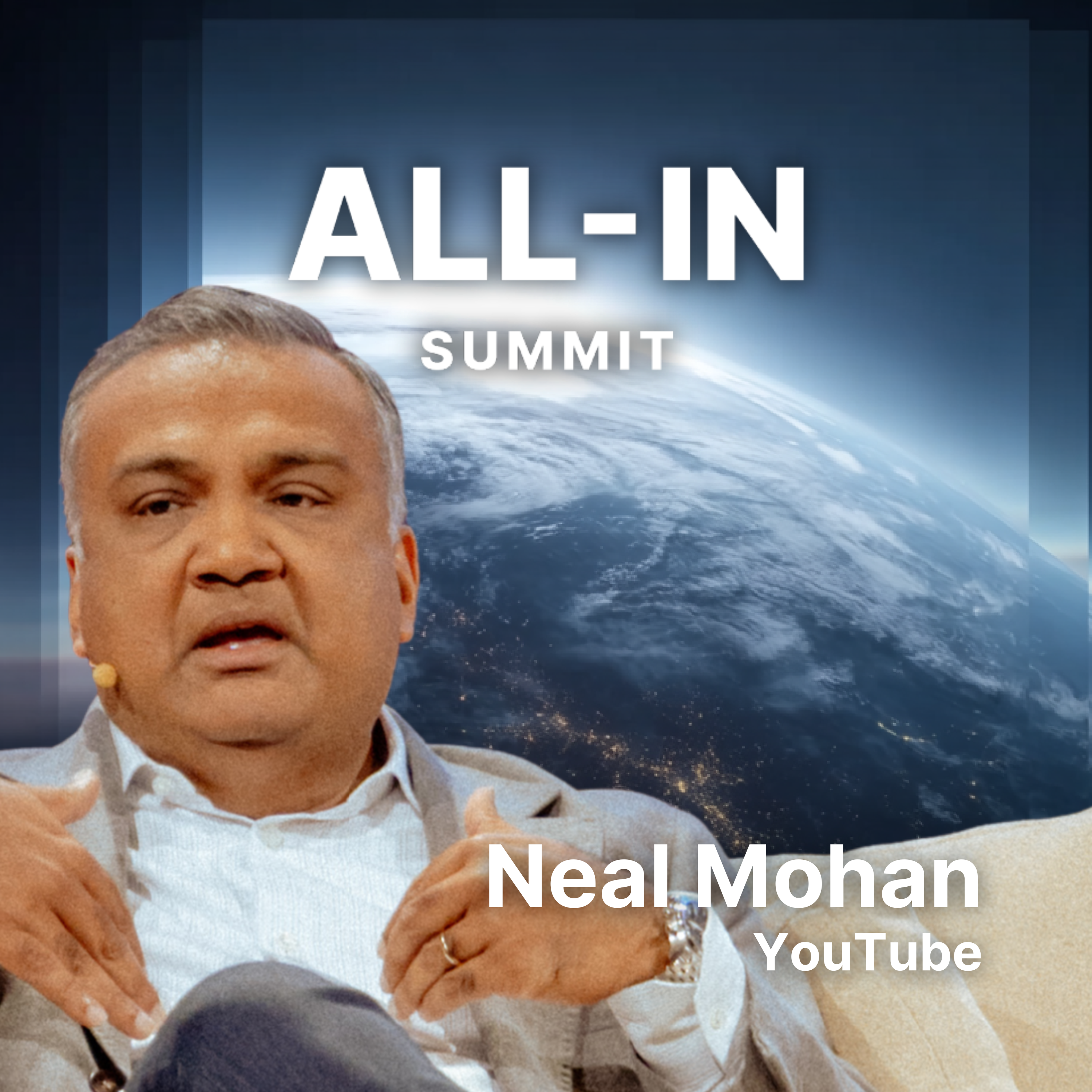
When questioned about censorship alongside Twitter and Facebook, CEO Neal Mohan deliberately reframes YouTube's identity. He asserts YouTube has more in common with streaming platforms than social media feeds. This is a strategic move to distance the brand from social media's controversies and align it with the entertainment industry.
This reframe shifts the strategic question from "How do we replicate YouTube's features?" to "How do we address user behavior rooted in convenience and existing habits?" Understanding the context of use is more important than achieving feature parity with a competitor.

Traditional media companies are turning to successful YouTube creators to source proven concepts and talent. They offer upfront capital to scale existing YouTube IP into larger productions, creating a symbiotic relationship between once-separate platforms.

Netflix's bid for Warner Bros. may be a brilliant game theory play. Even if the deal is blocked by regulators, it forces its primary rival into a multi-year acquisition limbo. This distraction freezes the competitor's strategy, allowing Netflix to extend its market lead. It's a win-win for Netflix.
The deal is less about consolidating media power and more about arming Netflix with a vast IP library to compete for attention against free, user-generated content platforms like TikTok and YouTube, which pose a greater existential threat.

The underlying driver for major media shifts, from studio mergers to the pivot of podcasts to video, is YouTube's complete platform domination. Its ability to distribute all types of content at scale is forcing legacy media to consolidate and creators to adapt to its video-first ecosystem.

Services like HBO Max rely on occasional "FOMO TV" hits (e.g., *White Lotus*), but their weakness is low daily engagement. Netflix's dominance stems from its daily-use nature, which generates vast data to train its powerful content discovery algorithm, creating a moat that competitors struggle to cross.
