Get your free personalized podcast brief
We scan new podcasts and send you the top 5 insights daily.
Services like HBO Max rely on occasional "FOMO TV" hits (e.g., *White Lotus*), but their weakness is low daily engagement. Netflix's dominance stems from its daily-use nature, which generates vast data to train its powerful content discovery algorithm, creating a moat that competitors struggle to cross.

Related Insights
Instead of buying entire sports seasons, Netflix acquires single, high-impact events like a Christmas NFL game. This 'eventizing' strategy creates maximum buzz for a lower relative cost by turning content releases into unforgettable, can't-miss dates on the cultural calendar.

Netflix's top show, "Nobody Wants This," faces criticism for excessive, unnatural product placement—a form of "inshittification." Yet, it remains the #1 streamed show. This suggests that in the current attention economy, even negative buzz or a compromised user experience can successfully drive top-line engagement metrics.
Disney could create an unbeatable moat by purchasing a theater chain like AMC and offering exclusive perks to Disney+ subscribers, such as $1 tickets and private screenings. This transforms theaters into a physical extension of their digital subscription, boosting loyalty and attracting top creative talent who value the theatrical experience.

The cynical take on the Netflix-WB deal is that Netflix's true goal is to eliminate movie theaters as a competitor for consumer leisure time. By pulling all WB films from theatrical release, it can strengthen its at-home streaming dominance and capture a larger share of audience attention.
Netflix's bid for Warner Bros. may be a brilliant game theory play. Even if the deal is blocked by regulators, it forces its primary rival into a multi-year acquisition limbo. This distraction freezes the competitor's strategy, allowing Netflix to extend its market lead. It's a win-win for Netflix.
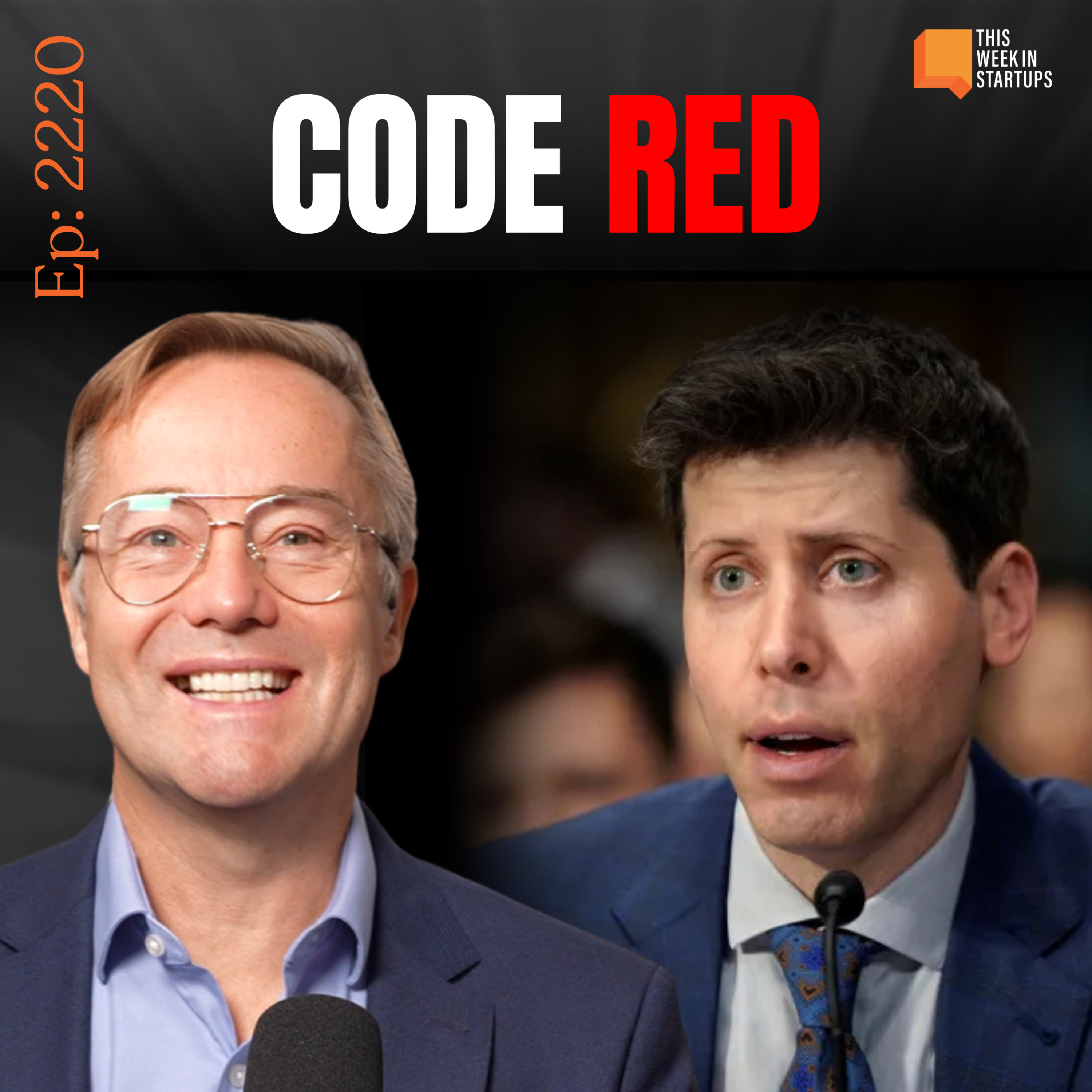
The deal is less about consolidating media power and more about arming Netflix with a vast IP library to compete for attention against free, user-generated content platforms like TikTok and YouTube, which pose a greater existential threat.

For 20 years, Netflix's identity was built on 'no ads, no live sports, and no big acquisitions.' Its recent reversal on all these fronts to maintain market dominance shows that adapting to new realities is more critical for long-term success than rigidly adhering to foundational principles.
Netflix's content strategy has adapted to the reality of dual-screen viewing. Realizing audiences are often on their phones, they produce shows that are easy to follow in the background. This involves constant plot "signposting" so a distracted viewer can look up and immediately understand what's happening.
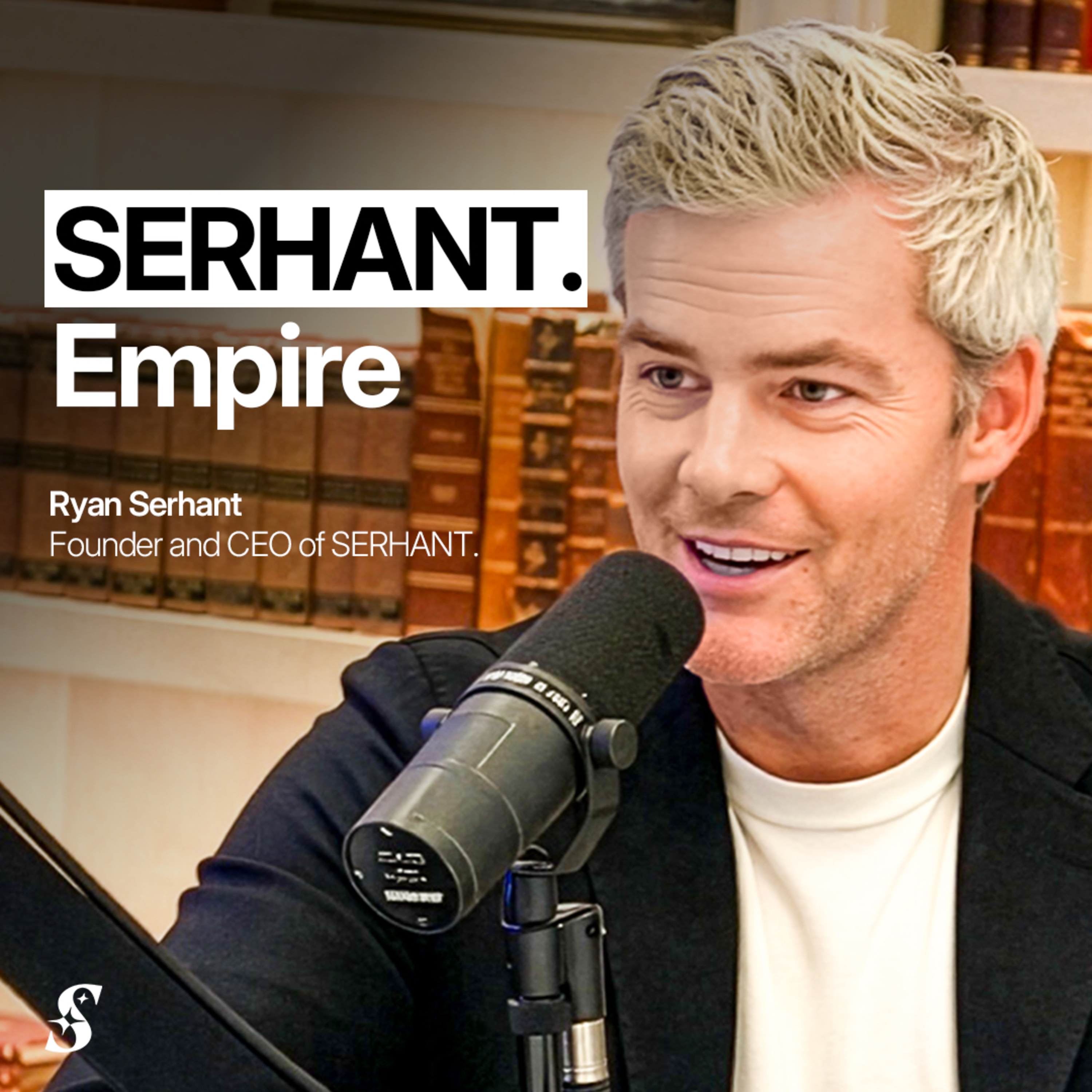
While traditional TV (Bravo) built his brand slowly over a decade, Serhant's Netflix show had a life-changing impact within three weeks. The platform's global reach and 'Top 10' recommendation engine present a show to 300 million users simultaneously, creating an instant, massive influx of customers and recruits that is unparalleled.
The entertainment industry's resentment towards Netflix is misplaced. Swisher argues that studios are in decline because they failed to modernize, lean into technology, and listen to consumers. Netflix simply capitalized on the industry's inefficient and outdated business models by building a product people wanted.