Get your free personalized podcast brief
We scan new podcasts and send you the top 5 insights daily.
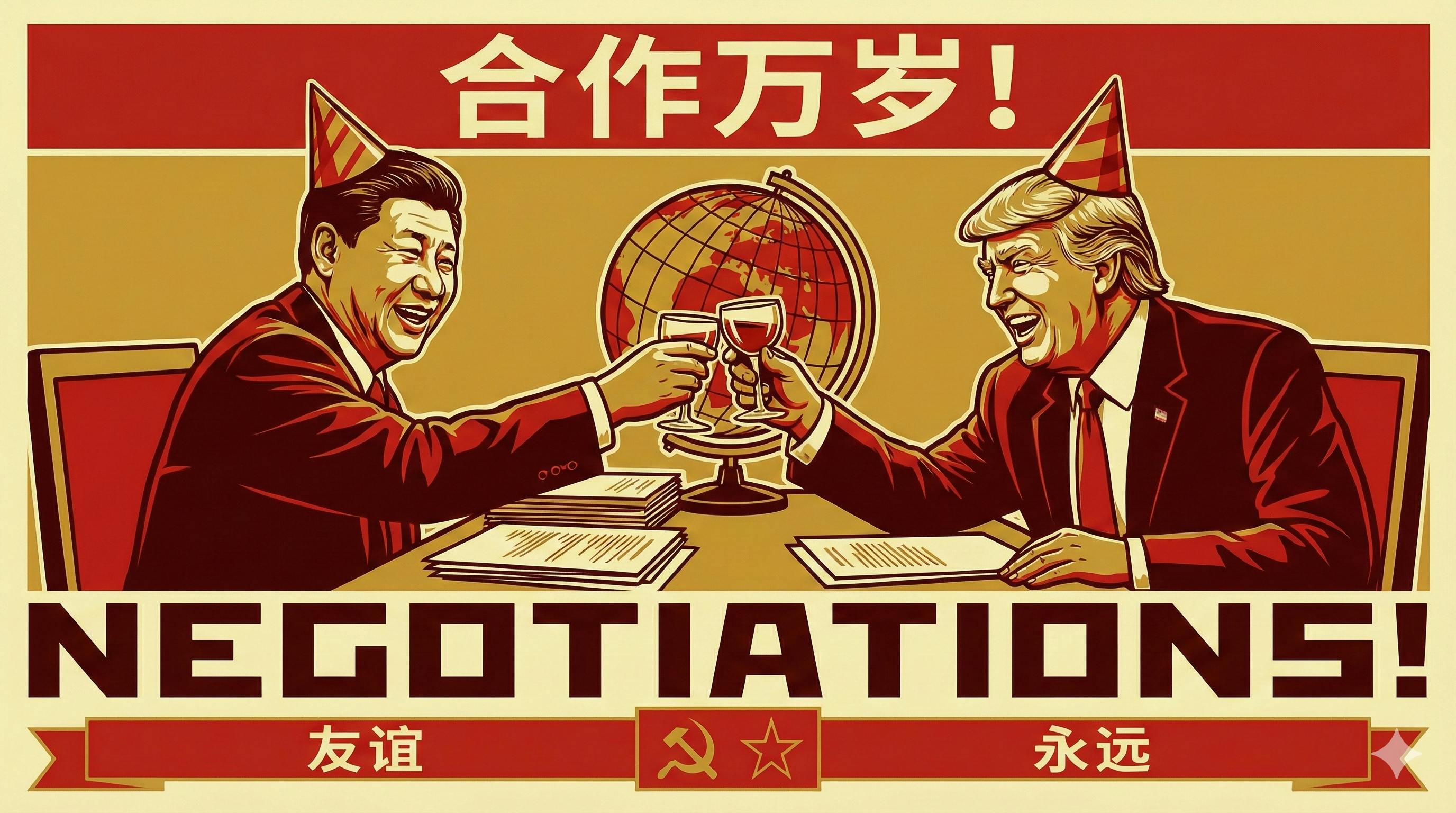
China effectively steered talks away from major macroeconomic imbalances and unfair trade practices. Instead, the focus has been "whittled down" to sector-specific issues like TikTok or soybean purchases, allowing China to manage concessions without addressing core U.S. grievances in a game of "whack-a-mole."
Related Insights
Beijing's unclear stance on Nvidia H200 chip imports is a strategic negotiation tactic, not a definitive ban. This ambiguity creates leverage to extract concessions from the U.S. in trade talks, using the tech sector as a pawn in a larger geopolitical game.

China's key learning from the past year is not that the U.S. lacks economic leverage, but that it lacks the political will to use it. Beijing perceives an unwillingness in Washington to endure domestic consequences, like higher consumer prices during an election year, to win a trade war.
The podcast reveals a key insight into China's geopolitical strategy. Xi Jinping privately dismissed TikTok as "spiritual opium," a low-cost asset he was willing to sacrifice. The sale was not a major loss but an easy concession to secure continued dialogue with the U.S. on more critical issues, reframing the event as a calculated move.

The recent trade truce is a transactional deal focused on marketable items like soybeans and TikTok. It conveniently sidesteps fundamental, long-term conflicts such as China's industrial policy, semiconductor competition, and military tensions, making the truce fragile and the broader relationship unstable.
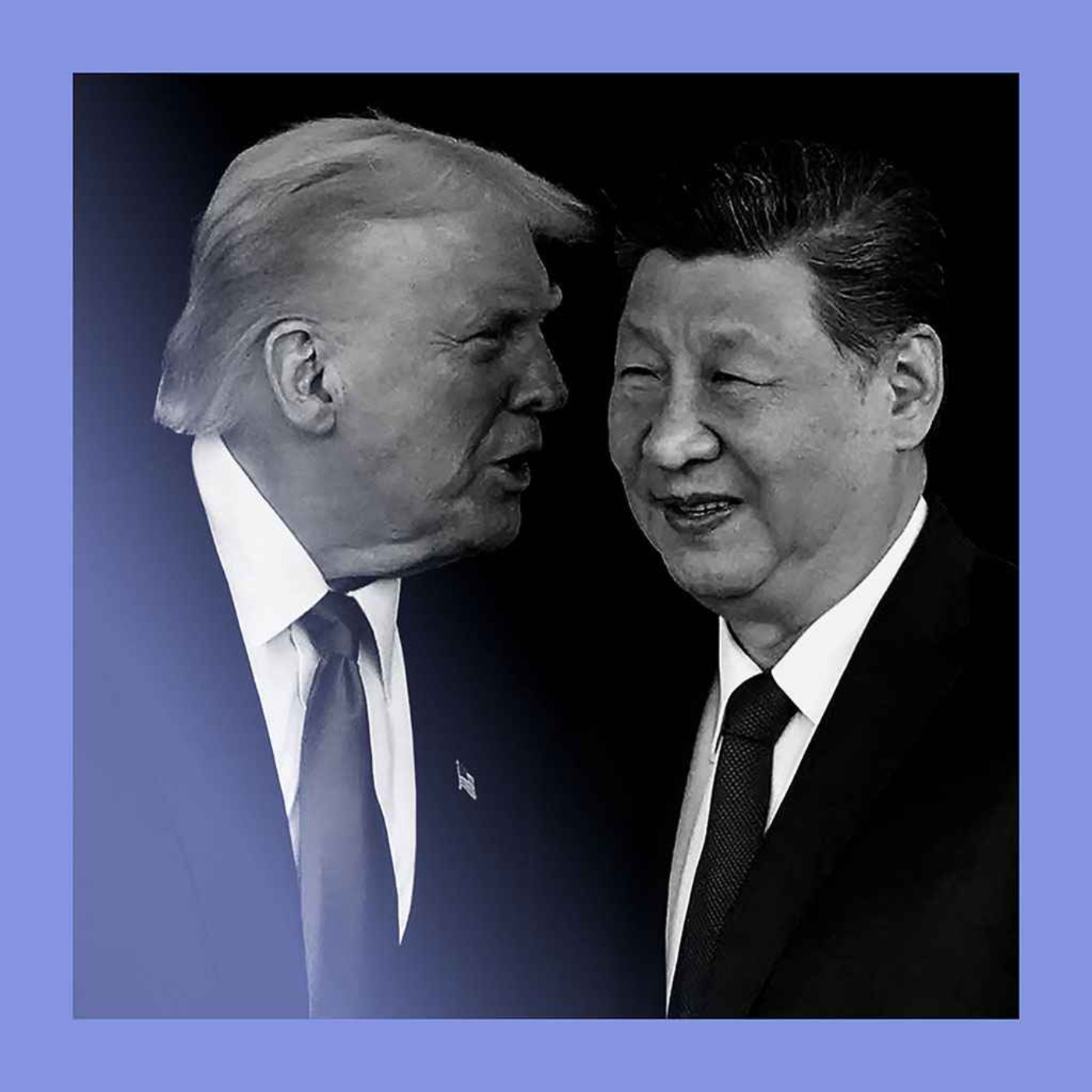
Unlike the first trade war, where Beijing was caught flat-footed, it entered the second with a prepared policy plan and emotional resolve. China developed a toolkit of retaliatory measures, such as the rare earth card, and seized the initiative rather than simply reacting to U.S. actions.
Beijing believes that as the U.S. midterm elections approach, the Trump administration will feel increasing pressure to secure a tangible "win" or deal. By prolonging negotiations, China aims to maximize its leverage and extract more favorable terms, mapping this strategy from the first trade war.
The latest U.S. National Security Strategy drops confrontational rhetoric about China as an ideological threat, instead framing the relationship around economic rivalry and rebalancing. This shift prioritizes tangible deals over promoting American values globally, marking a departure from Reagan-era foreign policy.

While the U.S. oscillates between trade policies with each new administration, China executes consistent long-term plans, like shifting to high-quality exports. This decisiveness has enabled China to find new global markets and achieve a record trade surplus, effectively outmaneuvering U.S. tactics.

Recent trade talks deliberately sidestepped core geopolitical issues like Taiwan and the South China Sea. This highlights that economic agreements are merely treating symptoms. The fundamental problem is a geopolitical power struggle, which will continue to undermine any economic progress.
The latest US-China trade talks signal a shift from unilateral US pressure to a negotiation between equals. China is now effectively using its control over critical exports, like rare earth minerals, as a bargaining chip to compel the U.S. to pause its own restrictions on items like semiconductors.
