Get your free personalized podcast brief
We scan new podcasts and send you the top 5 insights daily.
Selling coffee to offices is a lucrative B2B channel because it functions like an annuity. Once a brand is in, the administrative friction and employee backlash from changing suppliers create high switching costs, leading to stable, long-term revenue.

Related Insights
Gokul argues that brand is no longer a strong moat for B2B companies. As AI makes data portability and product replication easier, he predicts switching costs will approach zero, making business customers more rational and less loyal to brands.

Brita is expanding from kitchen to bathroom filters, reinforcing a lucrative business model. By selling a durable product that requires ongoing, proprietary refills, companies create a predictable, recurring revenue stream. Investors favor this 'subscripturation' model because it locks in customers for long-term sales.

Dig In discovered its catering service for offices acted as a powerful acquisition channel. Employees would try the food for the first time catered at work, then become individual paying customers, demonstrating an effective B2B-to-B2C marketing flywheel.

Coca-Cola's relationship with McDonald's became a powerful symbiotic partnership. Coke helped McDonald's expand globally by providing office space and local relationships. In return, Coke received a massive, loyal sales channel with preferential treatment, demonstrating how deep partnerships create value far beyond simple transactions.
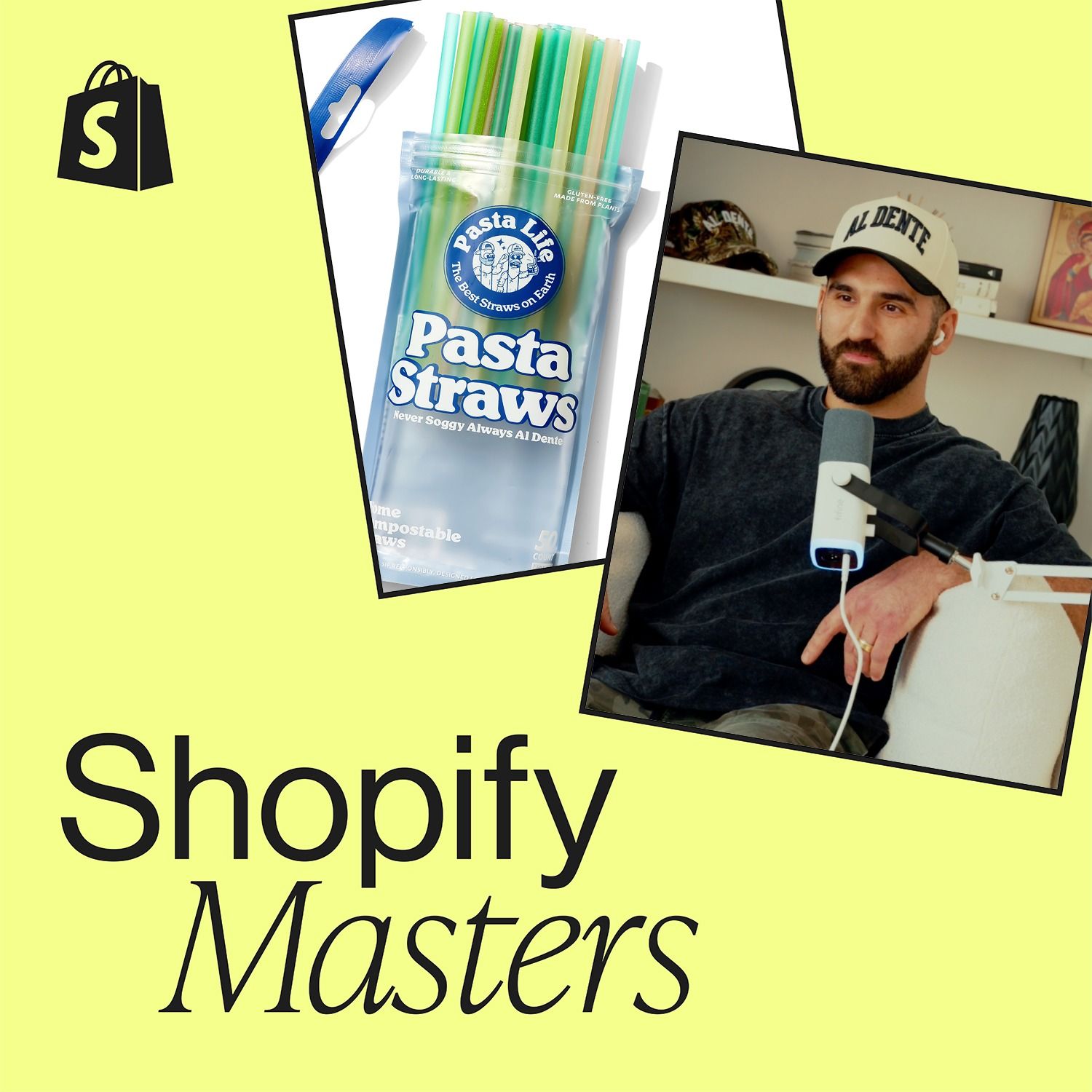
For a low-cost, high-volume product like a straw, securing B2B contracts (e.g., one hotel buying 100,000 units) provided a more stable financial foundation than pursuing individual D2C sales. This volume-first approach was critical before expanding into direct-to-consumer channels.
To get buy-in from financial stakeholders, translate the 'soft' concept of brand love into hard metrics. Loved brands can command higher prices, maximize customer lifetime value, and reduce customer acquisition costs through organic advocacy, proving brand is a tangible asset.
Oz Pearlman focuses on corporate events (B2B) over public shows (B2C). He finds it much easier to secure large contracts when the client is spending a company budget rather than personal, hard-earned cash. The perceived value and purchasing friction are significantly lower in B2B transactions.

Businesses that sell equipment should operate with three revenue streams: the initial machine sale, consumables the machine uses, and service/maintenance. The real, long-term profit lies in consumables and service, which function as an annuity after the initial sale.

In a B2B supplier or distributor model, success depends on going downstream. You must understand not only your direct partner's business drivers and KPIs but also the needs of their end-customer. This allows you to align strategy across the entire value chain.

In subscription or repeat-purchase businesses, the customer relationship begins at the point of sale, it doesn't end. The funnel metaphor is limiting because it ignores the crucial post-acquisition phases of adoption, expansion, and loyalty, where most value is created.
