Get your free personalized podcast brief
We scan new podcasts and send you the top 5 insights daily.
The outcome in Venezuela will signal America's future global strategy. If it's a purely extractive deal benefiting US capitalists, it confirms the old imperial model. If it leads to Venezuela's economic resurgence, it could pioneer a new, partnership-based approach to US influence.

Related Insights
The most effective long-term strategy for the U.S. is not military intervention or nation-building, but to withdraw from the 'game of Global Empire.' Instead, America should focus inwardly on creating overwhelming economic strength and stability, making it a desirable partner rather than a global police force.
The US government controls Venezuelan oil sales and funnels monthly payments to Delcy Rodriguez's government. This unprecedented level of financial control benefits the regime by providing stability while giving the US leverage and access to oil, a shocking callback to colonial-era dynamics.

Despite the public focus on oil, the primary goal of removing Maduro was likely to demonstrate U.S. primacy in the Western Hemisphere. The action serves as a strong signal that the U.S. is willing to act aggressively to enforce its influence in the region.
This deal is not primarily about securing oil for US consumption but about national security. By controlling Venezuela's vast reserves, the U.S. prevents rivals like China and Russia from accessing a strategic asset in the Western Hemisphere, effectively removing a key piece from their geopolitical board.

The U.S. strategy appears to be maintaining a weakened Chavista regime to ensure stability and access to oil, effectively turning Venezuela into a resource colony without genuine political change for its people.

In post-Maduro Venezuela, American pressure is primarily focused on liberalizing the economy for foreign investment, especially in oil. While this has resulted in some political shifts, the overwhelming priority is economic access for American interests, demonstrating a pragmatic rather than purely ideological approach to nation-building.
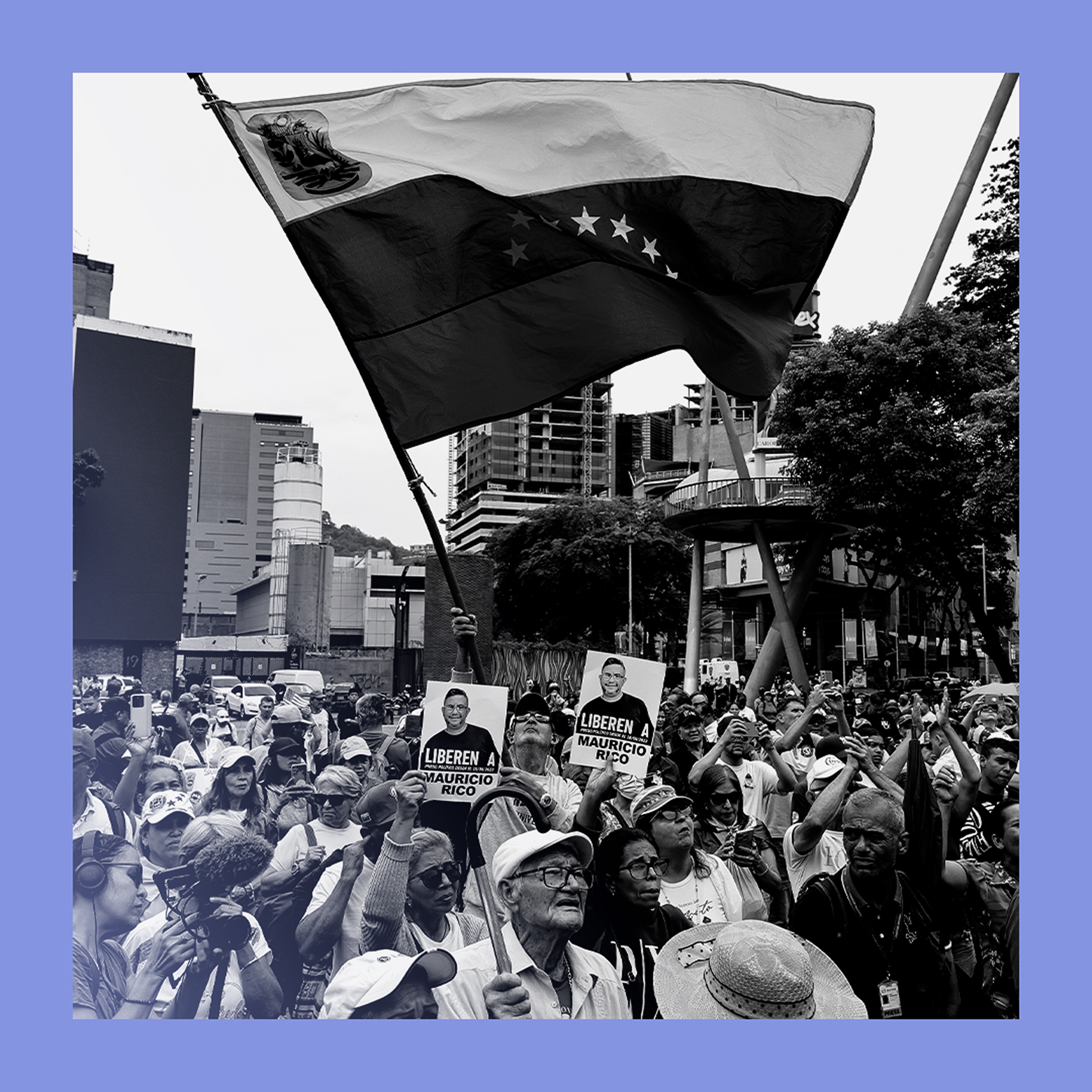
The U.S. deal for a direct equity stake in Venezuelan oil is a throwback to concession-like agreements not seen in decades. This approach is perceived as neo-colonial, undermining the prospects for long-term political stability and deterring traditional private capital investment.
Unlike the 20th-century Monroe Doctrine focused on ideology (anti-fascism/communism), Trump's version is a throwback to a more aggressive, 19th-century style of foreign policy. It unapologetically prioritizes the direct control of economic resources, like Venezuelan oil, over promoting democracy or good governance.

The US military operation in Venezuela is interpreted as a display of global military dominance aimed at China and Russia. This action suggests a strategic pivot towards becoming a global empire rather than retreating to a regional, isolationist Monroe Doctrine.

By consolidating influence over Venezuelan and Guyanese reserves alongside its own, the U.S. could control nearly a third of global oil reserves. This would fundamentally reshape energy geopolitics, diminishing the influence of powers like Saudi Arabia and potentially keeping oil prices in a lower range.
