Get your free personalized podcast brief
We scan new podcasts and send you the top 5 insights daily.
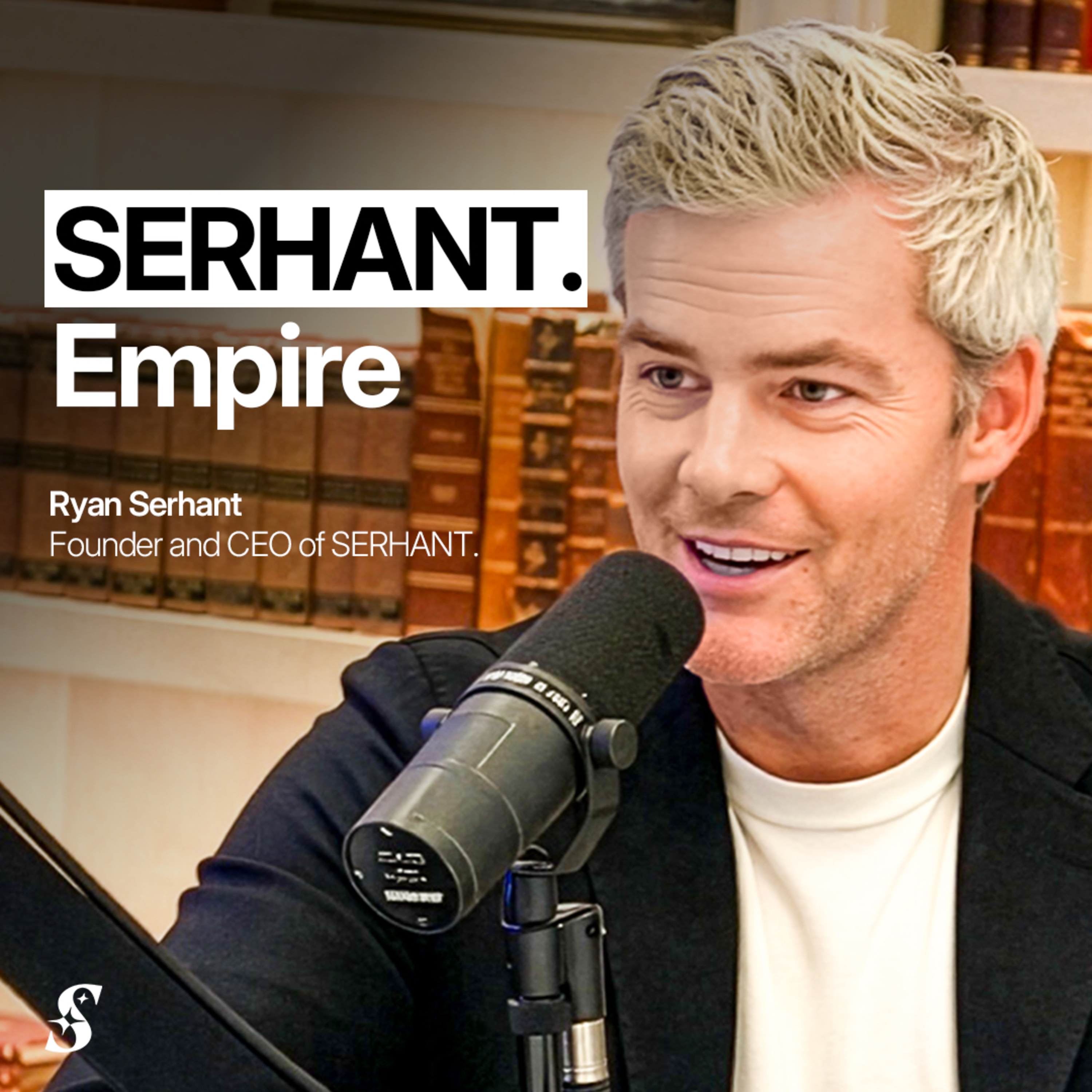
While traditional TV (Bravo) built his brand slowly over a decade, Serhant's Netflix show had a life-changing impact within three weeks. The platform's global reach and 'Top 10' recommendation engine present a show to 300 million users simultaneously, creating an instant, massive influx of customers and recruits that is unparalleled.
Related Insights
Instead of buying entire sports seasons, Netflix acquires single, high-impact events like a Christmas NFL game. This 'eventizing' strategy creates maximum buzz for a lower relative cost by turning content releases into unforgettable, can't-miss dates on the cultural calendar.

Netflix's top show, "Nobody Wants This," faces criticism for excessive, unnatural product placement—a form of "inshittification." Yet, it remains the #1 streamed show. This suggests that in the current attention economy, even negative buzz or a compromised user experience can successfully drive top-line engagement metrics.
Businesses with passionate but niche audiences, like the UFC or F1, can break into the mainstream by producing "on-ramp" content. A human-interest show (like F1's "Drive to Survive") provides an accessible entry point for new fans, demystifying the niche and driving massive growth by solving the discovery problem.

For the past five years, the top-performing shows on major streaming platforms have been adaptations of video game IP, such as 'The Last of Us', 'Fallout', and 'The Witcher'. This demonstrates a significant cultural shift where gaming franchises are now the dominant source of new, blockbuster entertainment content.

The ROI of a viral moment is difficult to link to direct sales. Instead, its value lies in increasing 'share of voice' and creating positive brand associations. This influences future purchasing decisions, making the brand top-of-mind when a customer is ready to buy.
Longer content (podcasts, long videos) allows for exponentially more "reinforcing cycles"—instances where you provide valuable advice and build trust. A two-hour video can provide the same exposure as 480 short clips, building deeper influence.

The Netflix partnership was a strategic masterstroke that solved F1's key growth challenges. It successfully penetrated the North American market, drew a massive female fanbase (75% of new fans), and lowered the average viewer age, demonstrating how media can acquire specific, high-value user segments.

Creating viral content requires a formula: identify a dominant fandom driving conversation, understand the target platform's user base, and find a brand-relevant angle within hours. It's a strategic process of connecting cultural moments to your brand in near real-time, not a random act.

Netflix's content strategy has adapted to the reality of dual-screen viewing. Realizing audiences are often on their phones, they produce shows that are easy to follow in the background. This involves constant plot "signposting" so a distracted viewer can look up and immediately understand what's happening.