Get your free personalized podcast brief
We scan new podcasts and send you the top 5 insights daily.
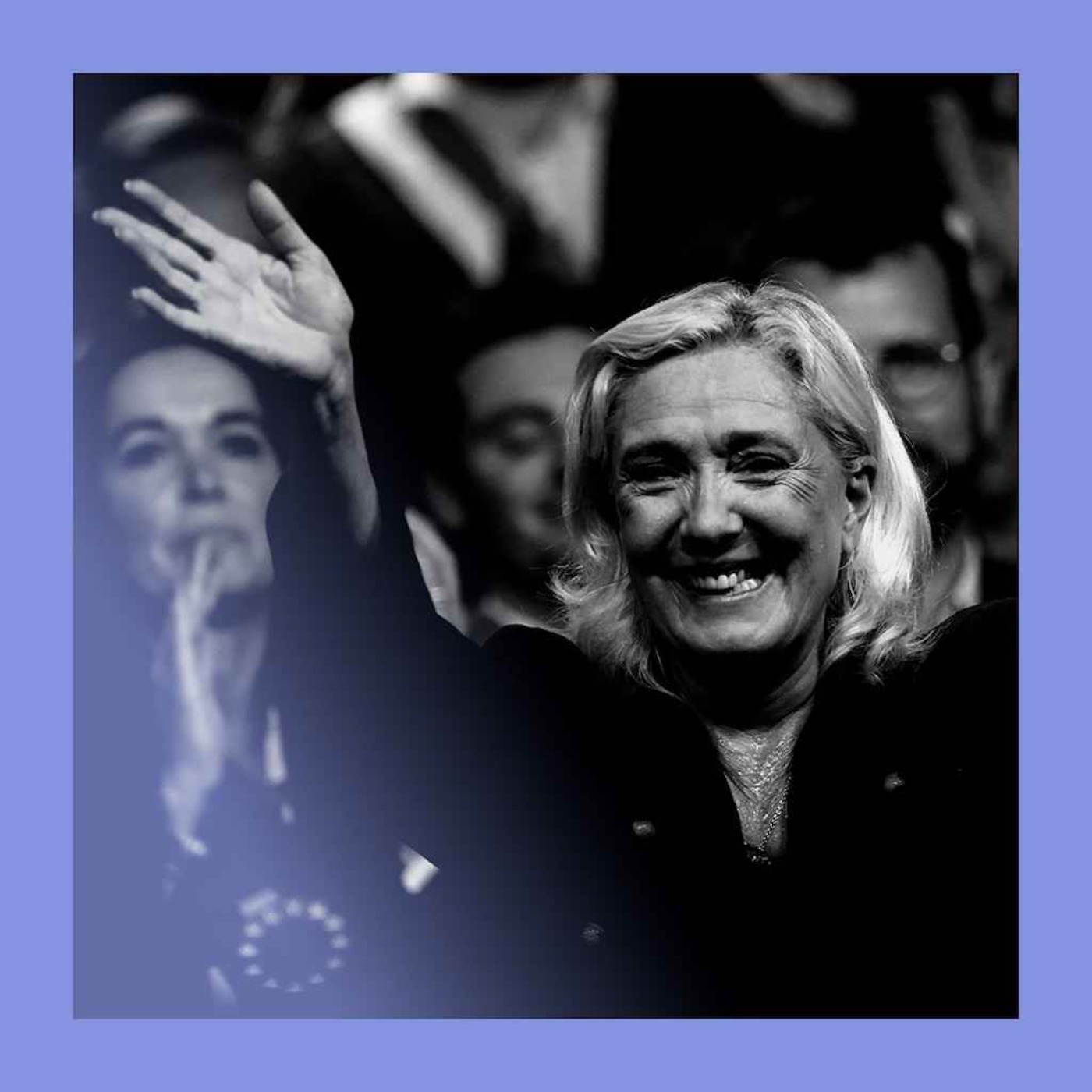
Sophie Petter says the violence lets everyone blame the government for losing control, but it especially helps Marine Le Pen's law-and-order presidential campaign. The far left can also point to state failure, yet she says Le Pen benefits most. This dynamic turns disorder into electoral fuel for the extremes.

Related Insights
Simultaneous gains by far-right and far-left parties indicate widespread voter frustration with stagnant centrist establishments rather than a cohesive ideological conversion. Once elected, populist leaders frequently moderate aggressive rhetoric and adhere to orthodox fiscal and international policies due to institutional constraints.

The rise of polarizing figures is not a top-down phenomenon but a bottom-up demand. In a 'populist moment,' voters want their leaders to weaponize government bodies against the opposition, which in turn makes being out of power feel like an existential threat, escalating the cycle.

The appeal of a populist leader lies in their rejection of traditional political norms. When the electorate feels betrayed by the established "political class," they gravitate toward figures whose rhetoric is a deliberate and stark contrast, signaling they are an outsider.

Widespread violence, like the French riots, is not random. It's an inevitable outcome when a society faces a "shrinking pie" economy and lacks a strong, shared national identity to unify its diverse populations. Populism and conflict are the predictable results.
Mass support for political violence creates a crucial motivator for volatile individuals: social approval. The expectation that their actions will be celebrated by millions nudges them over the edge to commit violent acts, a dynamic amplified by social media.

With over 15 centrist candidates splitting the vote, it's increasingly possible that none will qualify for the final election round. This fragmentation could force French voters into an undesirable choice between Marine Le Pen on the far-right and Jean-Luc Mélenchon on the far-left.
Sophie Petter says the government blamed the far left, while both extremes blamed police numbers. Interior Minister Lorne Nunez acknowledged police lost control and offered to resign; his resignation was not accepted, showing authorities underestimated turnout and violence. That admission captures how badly the state was caught off guard.
In France, centrist parties are trapped. Treating the populist National Rally as a pariah has failed to stop its growth. Conversely, treating it as a respectable political opponent has also boosted its popularity, creating a strategic dead-end for the mainstream.

In times of economic inequality, people are psychologically driven to vote for policies that punish a perceived enemy—like the wealthy or immigrants—rather than those that directly aid the poor. This powerful emotional desire for anger and a villain fuels populist leaders.

Widespread public support for political violence acts like combustible material. It may lie dormant, but it can be ignited into a wildfire of action by a single focal point, such as a contested election result or the certification of a vote.