Get your free personalized podcast brief
We scan new podcasts and send you the top 5 insights daily.
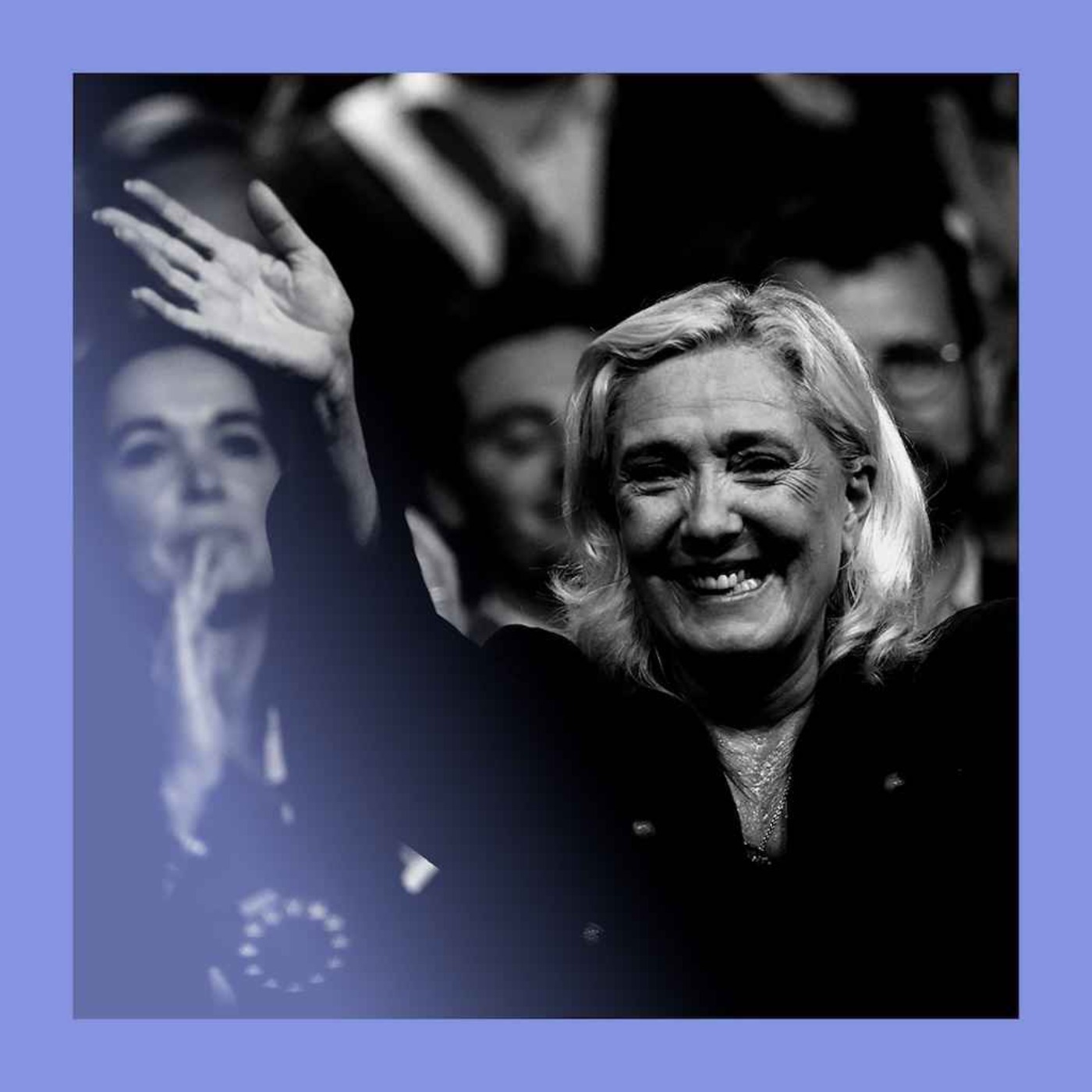
With over 15 centrist candidates splitting the vote, it's increasingly possible that none will qualify for the final election round. This fragmentation could force French voters into an undesirable choice between Marine Le Pen on the far-right and Jean-Luc Mélenchon on the far-left.
Related Insights
In a "jungle primary," where the top two candidates advance regardless of party, having too many strong candidates is a liability. They can split the vote, allowing two minority party candidates to win. This requires strong party leadership to intervene and consolidate support behind one person.

Economic downturns fuel populism on both the left and right. These movements thrive on a confrontational, non-compromising stance, which forces a "pick a side" dynamic that eradicates the political middle ground and escalates conflict.

Recent state elections show Chancellor Merz's centrist CDU party losing ground not only to the far-right AFD but also to the populist left Die Linke. This indicates a broader political fragmentation and radicalization, where the traditional parties of the center are being squeezed from both extremes, making stable governance increasingly difficult.

The traditional two-party system is collapsing in countries like the UK. Electorates are splitting into numerous smaller parties, mirroring vast consumer choices (e.g., eight types of Coke). Social media enables this fragmentation, making coalition-building incredibly difficult.

The true threat from Europe's far-right isn't their electoral success, but the "pollution" of mainstream center-right parties with their nationalist ideas. Mainstream leaders are adopting anti-EU integration stances and rowing back on collective policies, threatening European unity more effectively than fringe parties could alone.

France's fragmented political center lacks a formal process to select a single candidate to oppose the populist right. As a result, public opinion polls are becoming the unofficial sorting mechanism. The candidate who consistently performs best in polls will likely emerge as the consensus choice, effectively making polling the primary system.
Analysts should be cautious about early French presidential polling. A review of the last six elections reveals that polls taken 12 months before the vote were wrong half the time, often failing to predict a candidate who would even make it to the final runoff. This historical unreliability suggests today's front-runners are far from guaranteed.
A 'spoiler' candidate is not defined by party, but as someone with no chance of winning who dictates the outcome by siphoning votes. This perspective argues such candidates have a civic duty to withdraw from the race.

In France, centrist parties are trapped. Treating the populist National Rally as a pariah has failed to stop its growth. Conversely, treating it as a respectable political opponent has also boosted its popularity, creating a strategic dead-end for the mainstream.

The conventional wisdom that moderate candidates are more electable is a myth. Elections are won by turnout, not by appealing to the median voter. A polarizing figure who excites their base will often win by a larger margin than a moderate who fails to generate enthusiasm.
