Get your free personalized podcast brief
We scan new podcasts and send you the top 5 insights daily.
Misha Laskin, CEO of Reflection AI, states that large enterprises turn to open source models for two key reasons: to dramatically reduce the cost of high-volume tasks, or to fine-tune performance on niche data where closed models are weak.

Related Insights
The key for enterprises isn't integrating general AI like ChatGPT but creating "proprietary intelligence." This involves fine-tuning smaller, custom models on their unique internal data and workflows, creating a competitive moat that off-the-shelf solutions cannot replicate.
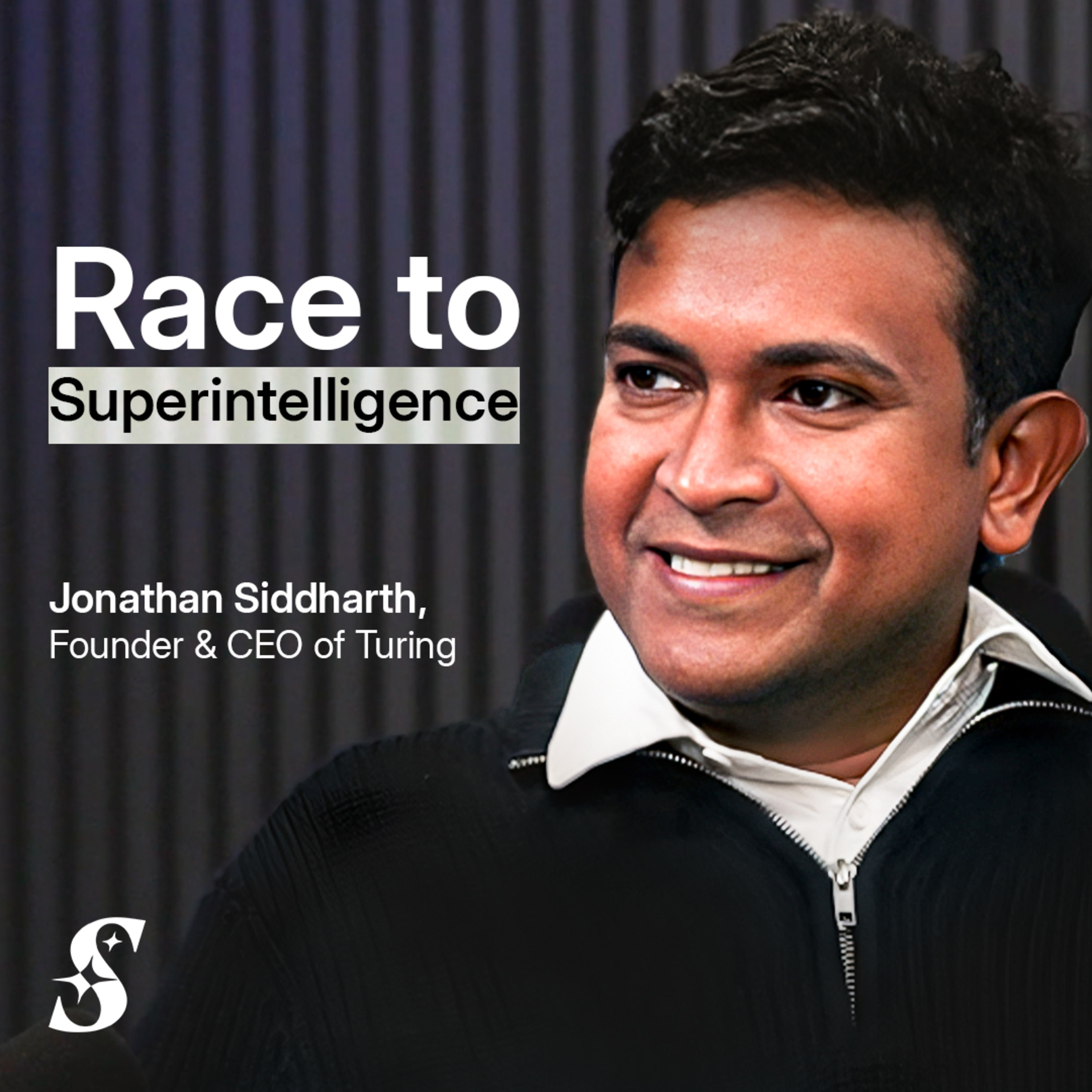
While US firms lead in cutting-edge AI, the impressive quality of open-source models from China is compressing the market. As these free models improve, more tasks become "good enough" for open source, creating significant pricing pressure on premium, closed-source foundation models from companies like OpenAI and Google.
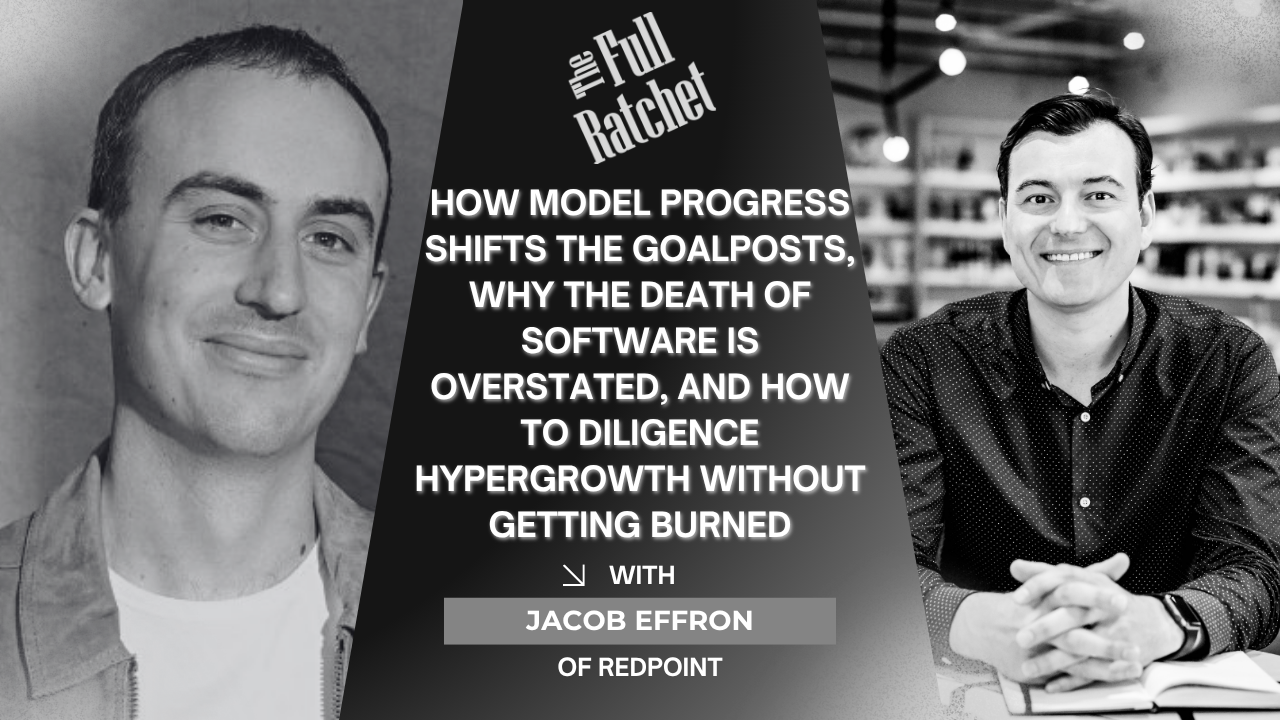
The current trend toward closed, proprietary AI systems is a misguided and ultimately ineffective strategy. Ideas and talent circulate regardless of corporate walls. True, defensible innovation is fostered by openness and the rapid exchange of research, not by secrecy.

Instead of relying solely on massive, expensive, general-purpose LLMs, the trend is toward creating smaller, focused models trained on specific business data. These "niche" models are more cost-effective to run, less likely to hallucinate, and far more effective at performing specific, defined tasks for the enterprise.

The "agentic revolution" will be powered by small, specialized models. Businesses and public sector agencies don't need a cloud-based AI that can do 1,000 tasks; they need an on-premise model fine-tuned for 10-20 specific use cases, driven by cost, privacy, and control requirements.

The choice between open and closed-source AI is not just technical but strategic. For startups, feeding proprietary data to a closed-source provider like OpenAI, which competes across many verticals, creates long-term risk. Open-source models offer "strategic autonomy" and prevent dependency on a potential future rival.

Z.AI and other Chinese labs recognize Western enterprises won't use their APIs due to trust and data concerns. By open-sourcing models, they bypass this barrier to gain developer adoption, global mindshare, and brand credibility, viewing it as a pragmatic go-to-market tactic rather than an ideological stance.

OpenAI has seen no cannibalization from its open source model releases. The use cases, customer profiles, and immense difficulty of operating inference at scale create a natural separation. Open source serves different needs and helps grow the entire AI ecosystem, which benefits the platform leader.

Companies are becoming wary of feeding their unique data and customer queries into third-party LLMs like ChatGPT. The fear is that this trains a potential future competitor. The trend will shift towards running private, open-source models on their own cloud instances to maintain a competitive moat and ensure data privacy.
While the U.S. leads in closed, proprietary AI models like OpenAI's, Chinese companies now dominate the leaderboards for open-source models. Because they are cheaper and easier to deploy, these Chinese models are seeing rapid global uptake, challenging the U.S.'s perceived lead in AI through wider diffusion and application.
