Get your free personalized podcast brief
We scan new podcasts and send you the top 5 insights daily.
Katera competes with giants like Zapier not by adding AI features, but by building on a fundamentally different, prompt-based architecture. Incumbents are stuck with legacy workflow infrastructure, making it difficult for them to truly embrace a native, agentic approach.

Related Insights
Startups often fail to displace incumbents because they become successful 'point solutions' and get acquired. The harder path to a much larger outcome is to build the entire integrated stack from the start, but initially serve a simpler, down-market customer segment before moving up.

Simply offering the latest model is no longer a competitive advantage. True value is created in the system built around the model—the system prompts, tools, and overall scaffolding. This 'harness' is what optimizes a model's performance for specific tasks and delivers a superior user experience.

Incumbent companies are slowed by the need to retrofit AI into existing processes and tribal knowledge. AI-native startups, however, can build their entire operational model around agent-based, prompt-driven workflows from day one, creating a structural advantage that is difficult for larger companies to copy.

Startups like Cognition Labs find their edge not by competing on pre-training large models, but by mastering post-training. They build specialized reinforcement learning environments that teach models specific, real-world workflows (e.g., using Datadog for debugging), creating a defensible niche that larger players overlook.
Startups often fail by making a slightly better version of an incumbent's product. This is a losing strategy because the incumbent can easily adapt. The key is to build something so fundamentally different in structure that competitors have a very hard time copying it, ensuring a durable advantage.
![Palmer Luckey - Inventing the Future of Defense - [Invest Like the Best, CLASSICS] thumbnail](https://megaphone.imgix.net/podcasts/f7c9aa8e-cb8d-11f0-828e-0b281809c10a/image/cc07f91ec47f95abbde771a4956b37b7.jpg?ixlib=rails-4.3.1&max-w=3000&max-h=3000&fit=crop&auto=format,compress)
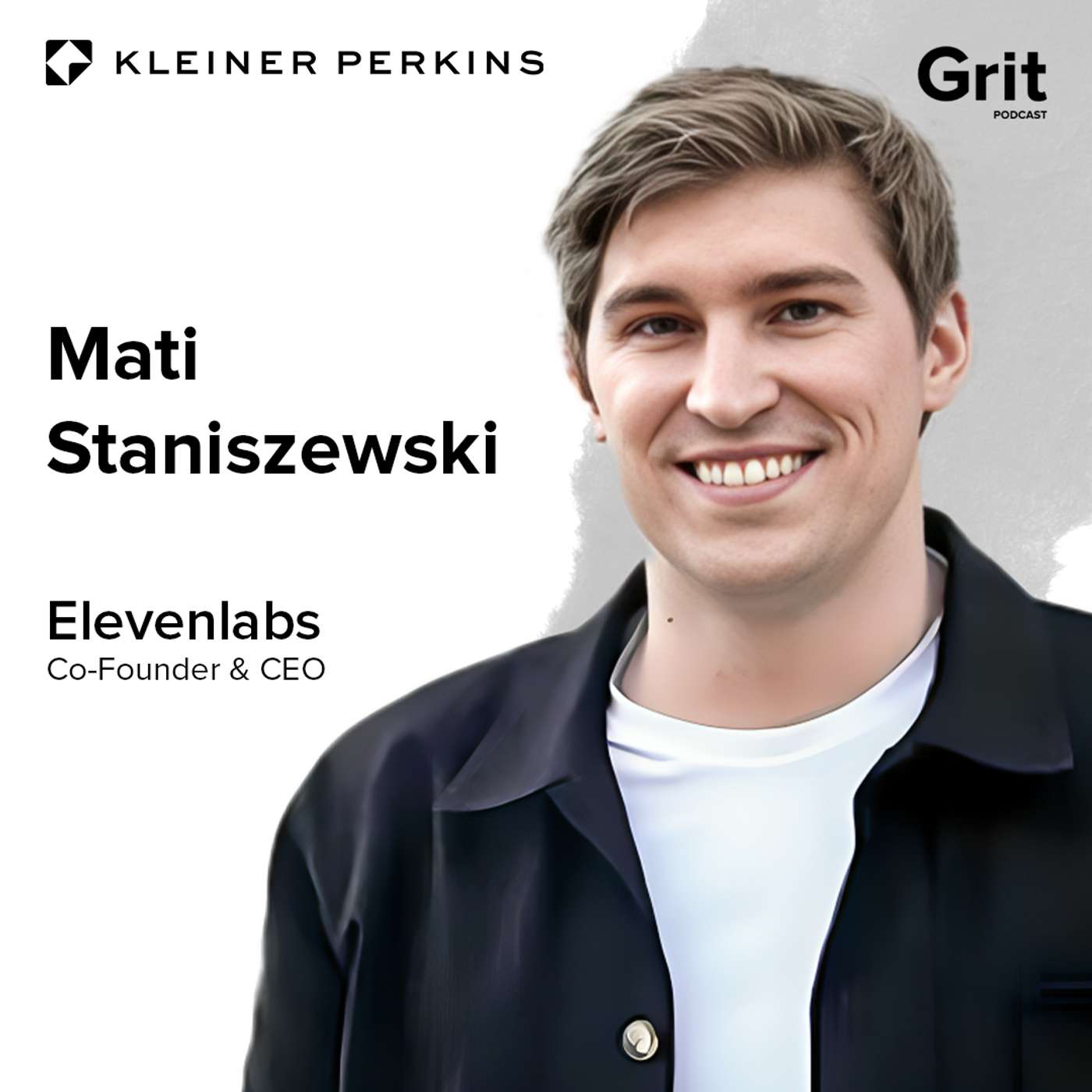
ElevenLabs' defense against giants isn't just a better text-to-speech model. Their strategy focuses on building deep, workflow-specific platforms for agents and creatives. This includes features like CRM integrations and collaboration tools, creating a sticky application layer that a foundational model alone cannot replicate.
For incumbent software companies, an existing customer base is a double-edged sword. While it provides a distribution channel for new AI products, it also acts as "cement shoes." The technical debt and feature obligations to thousands of pre-AI customers can consume all engineering resources, preventing them from competing effectively with nimble, AI-native startups.

Creating a basic AI coding tool is easy. The defensible moat comes from building a vertically integrated platform with its own backend infrastructure like databases, user management, and integrations. This is extremely difficult for competitors to replicate, especially if they rely on third-party services like Superbase.

Initially, being the "AI guys" led to endless custom requests across departments. The scalable breakthrough was shifting their model from doing the work to teaching customers how to use their platform to build agents, empowering them to solve their own problems.
Traditional software required deep vertical focus because building unique UIs for each use case was complex. AI agents solve this. Since the interface is primarily a prompt box, a company can serve a broad horizontal market from the beginning without the massive overhead of building distinct, vertical-specific product experiences.
