Get your free personalized podcast brief
We scan new podcasts and send you the top 5 insights daily.
Co-founder Aaron Harvey, who has an anthropology degree, taught himself design skills like Photoshop out of necessity. He argues the most critical tools for entrepreneurship are unteachable—passion, curiosity, and a willingness to work hard. All other technical skills are "figureoutable" with modern resources.

Related Insights
Without prior experience, the founders learned to build their Shopify store and run complex paid media campaigns entirely by watching YouTube tutorials. This self-education approach enabled them to operate leanly and develop deep, in-house knowledge of core business functions.

True entrepreneurship often stems from a 'compulsion' to solve a problem, rather than a conscious decision to adopt a job title. This internal drive is what fuels founders through the difficult decisions, particularly when forced to choose between short-term financial engineering and long-term adherence to a mission of creating real value.

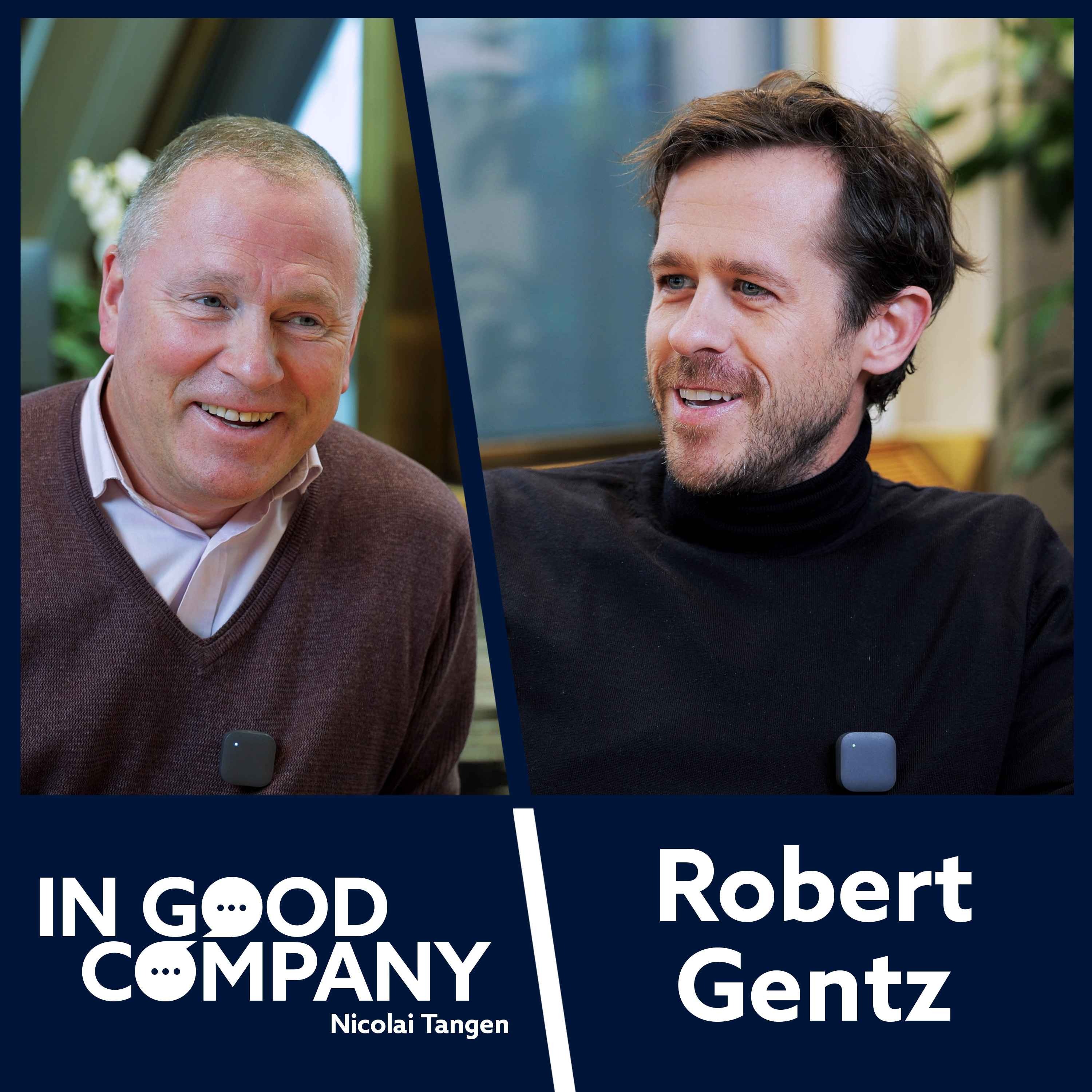
After 17 years, Zalando's co-founder believes the key traits for founders are curiosity and humility. Curiosity enables learning from everyone and making good decisions, while humility ensures respect for challenges and prevents overconfidence from past successes.
The greatest predictor of entrepreneurial success isn't intellect or innate skill, but simply caring more than anyone else. This deep-rooted ambition and desire to succeed fuels the resilience and skill acquisition necessary to win.

High-level strategies and personality traits are important, but success often hinges on a simple willingness to do the hard, unglamorous work required. This "grind" mentality, often learned early in life, is the engine that powers an entrepreneur through inevitable challenges, especially when motivation wanes.

Founder Beryl Stafford's biggest lesson was that entrepreneurship is not reserved for the "smartest person in the room." She realized anyone can figure out complex challenges if they possess the crucial, acquirable traits of desire, focus, and dedication over time.

The ultimate asset is not capital or connections, but your own resourcefulness. Qualities like determination, creativity, and persuasiveness are meta-skills that allow you to overcome any lack of external resources. If you possess these, you can acquire anything else you need to succeed.

While grit is important, being pulled along by genuine curiosity is a more sustainable motivator than relying on willpower to push through rough patches. This innate drive to explore and learn prevents burnout and leads to discovering novel business opportunities without feeling like a constant struggle.

Intelligence is just table stakes. True greatness comes from combining a high IQ with what Ben Horowitz calls "courage"—the determination to overcome any obstacle—and a deep-seated, ambitious drive to create something new, often demonstrated by a history of building things from a young age.

While optimism is often cited as a key founder trait, relentless curiosity and pure tenacity are more critical for survival. The drive to learn every part of the business and the willingness to work through problems past the point of pain are the ingredients that allow leaders to tackle existential challenges.
