Get your free personalized podcast brief
We scan new podcasts and send you the top 5 insights daily.
For new food brands with a great product, the highest ROI comes from getting people to taste it. Self-funded companies can leverage their longer timeline to build a loyal customer base through a robust sampling program, delaying expensive and less effective paid media buys.

Related Insights
Instead of spending small, inconsistent amounts on influencers, food startups should allocate a significant, planned budget (e.g., $20,000 over a year) to a few carefully selected micro-influencers. This allows for deeper partnerships and more impactful content that demonstrates the product effectively.
The brand avoids direct sales pitches in its content. Instead, it provides value by publishing hundreds of free recipes. This "give first" strategy builds trust and a long-term relationship, leading to organic purchases when consumers are ready to buy at the supermarket.
Stop planning creative and media buys simultaneously. Instead, post creative organically first. Then, exclusively allocate media spend to amplify the content that has already demonstrated strong consumer engagement, forcing creative to be effective on its own merit before receiving paid support.

Placing products in hotel rooms serves as a 'non-cheesy free sample.' It's a high-context discovery channel where consumers experience the brand as a curated part of a premium travel experience. This creates a strong positive association and drives adoption more effectively than traditional sampling.
A past Lipton Iced Tea campaign used the tagline 'Don't knock it 'til you try it,' perfectly identifying the brand's core challenge: trial. However, the campaign failed because the budget was allocated to advertising this message, not to the product sampling required to fulfill it.

Large CPG players have slow, agency-driven feedback loops. Nimble DTC brands can win by rapidly testing creative, messaging, and offers online, gaining an insurmountable learning advantage. Speed itself becomes the strategic edge, not just a byproduct of being small.
Don't waste money testing ad creative from scratch. First, post content organically across platforms. When a piece performs exceptionally well, use that as a clear signal to put paid advertising spend behind it. The algorithm and audience have already validated its appeal, de-risking your ad budget.
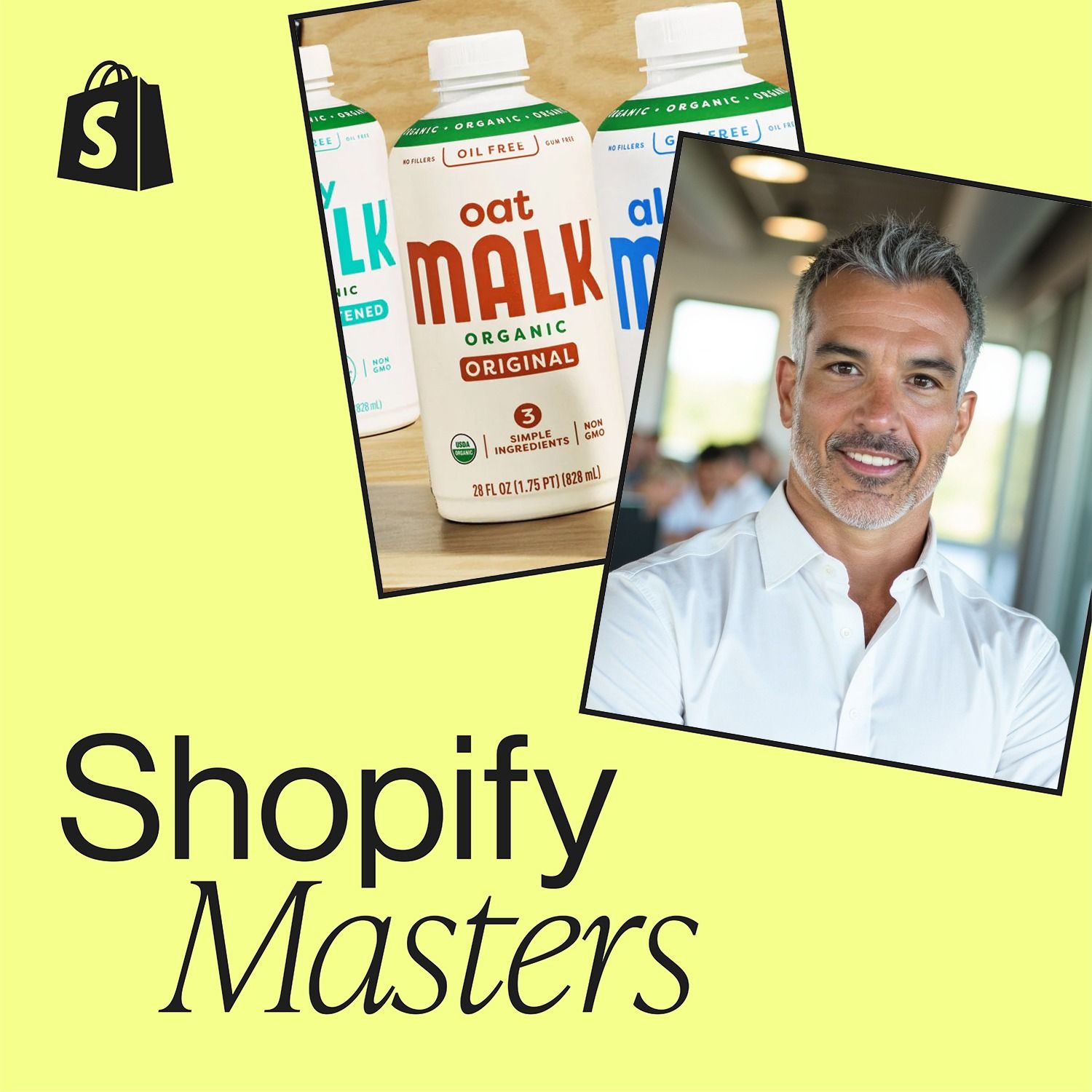
Malk's Erewhon smoothie partnership is a dual-purpose initiative. It generates direct revenue from product sales within Erewhon stores, providing a tangible ROI floor. This sales component de-risks the harder-to-measure brand awareness benefit from social media fame, making "gut feel" marketing decisions easier to justify and assess.
A founder who found success in a niche market was advised to run low-cost digital ad tests for other potential use cases (e.g., luxury, pet care) in his home market. This data on customer acquisition costs can validate an expansion strategy before investing heavily in US logistics.
Placing products in non-traditional venues like hotels or airports serves as a powerful discovery and sampling mechanism. This builds brand familiarity and trial, creating a flywheel effect where customers later recognize and purchase the product in traditional retail stores, boosting sales.
