Get your free personalized podcast brief
We scan new podcasts and send you the top 5 insights daily.
Sunflower's founder chose his addiction recovery app not because it was the most fundable idea, but because of a deep personal "mission pull." This intrinsic motivation is a more powerful long-term driver for founders than chasing the path of least resistance to venture capital.

Related Insights
True entrepreneurship often stems from a 'compulsion' to solve a problem, rather than a conscious decision to adopt a job title. This internal drive is what fuels founders through the difficult decisions, particularly when forced to choose between short-term financial engineering and long-term adherence to a mission of creating real value.
Bilyeu stresses the difference between a mission (ending metabolic disease) and a path (making protein bars). A mission is the core 'why' and provides flexibility and resilience. Being married to a specific product path is rigid and risky, as the path may need to change to serve the mission.

Every successful founder journey includes a point where quitting is the most rational decision. Spencer Skates argues the only way to persevere is to anchor to a deeply held intrinsic motivation or a "mission that's greater than yourself." External motivators like money or recognition are insufficient to overcome this existential pain.
Seneca's founder turned down lucrative offers to run larger companies. For him, the unique, "insanely gratifying" value of founding is the ability to create the mission from scratch and dedicate his life force to a specific desired change in the world, a power not available in an existing CEO role.

A founder's deep, intrinsic passion for their company's mission is critical for long-term success. Even with a sound business model, a lack of genuine care leads to burnout and failure when challenges arise. Leaders cannot sustain success in areas they consider a distraction from their "real" passion, like AGI research versus product monetization.
Many founders start companies simply because they want the title, not because they are obsessed with a mission. This is a critical mistake, as only a deep, personal passion for a problem can sustain a founder through the inevitable hardships of building a startup.
Instead of optimizing for a quick win, founders should be "greedy" and select a problem so compelling they can envision working on it for 10-20 years. This long-term alignment is critical for avoiding the burnout and cynicism that comes from building a business you're not passionate about. The problem itself must be the primary source of motivation.

Instead of chasing trends or pivoting every few weeks, founders should focus on a singular mission that stems from their unique expertise and conviction. This approach builds durable, meaningful companies rather than simply chasing valuations.
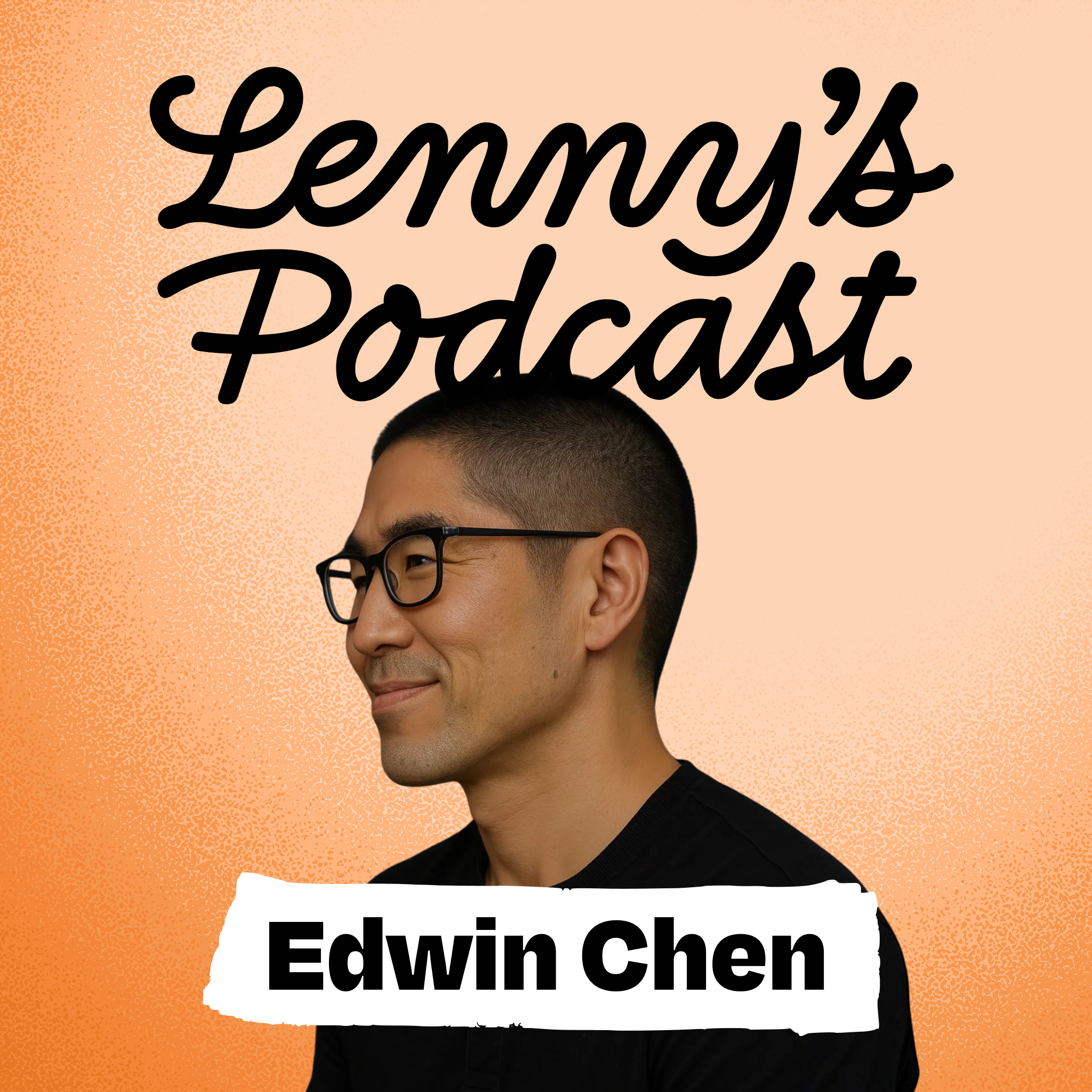
To survive the startup grind, founders must be intrinsically motivated by the problem they are solving. Jeeves founder Dileep Thazhmon explored eight different ideas for a year, discarding those where he wasn't passionate about the core challenge, even if they were good business opportunities.

The most enduring companies, like Facebook and Google, began with founders solving a problem they personally experienced. Trying to logically deduce a mission from market reports lacks the authenticity and passion required to build something great. The best ideas are organic, not analytical.