Get your free personalized podcast brief
We scan new podcasts and send you the top 5 insights daily.
A shockingly low number of agency leaders—just 13-16%—successfully implement the strategies they identify as most important. This massive execution gap is especially dangerous in a rapidly changing market where adapting business models is critical for survival against commoditization by AI.

Related Insights
A significant gap exists between leadership's strategic decisions and the team's ability to implement them. Leaders assume that mission statements or strategic pillars are self-explanatory, but frontline workers often lack clarity on how these goals translate into daily tasks, leading to wasted effort and misalignment.

There's often a massive gap between a company's strategic goals and where development teams actually spend time. In one case, only 2% of capacity was spent on the top strategic goal because teams are "magnets for requests" that derail progress on the big picture.

The biggest barrier to getting value from AI isn't the technology itself, but a lack of internal clarity. Teams that haven't defined their goals, customers, and core work processes will get poor AI outcomes, as the technology exposes pre-existing strategic weaknesses.

Surveys reveal a catastrophic disconnect: 81% of C-suite executives believe their company has clear AI policies and training, while only ~28% of individual contributors agree. This executive blindness means the real barriers to adoption—lack of tools, training, and clear guidance—are not being addressed.

An "optimization-execution gap" reveals that while 96% of CMOs prioritize AI, only 65% make meaningful investments. This lack of commitment leaves teams stuck in an experimentation phase, preventing the deep workflow integration needed for significant productivity gains.

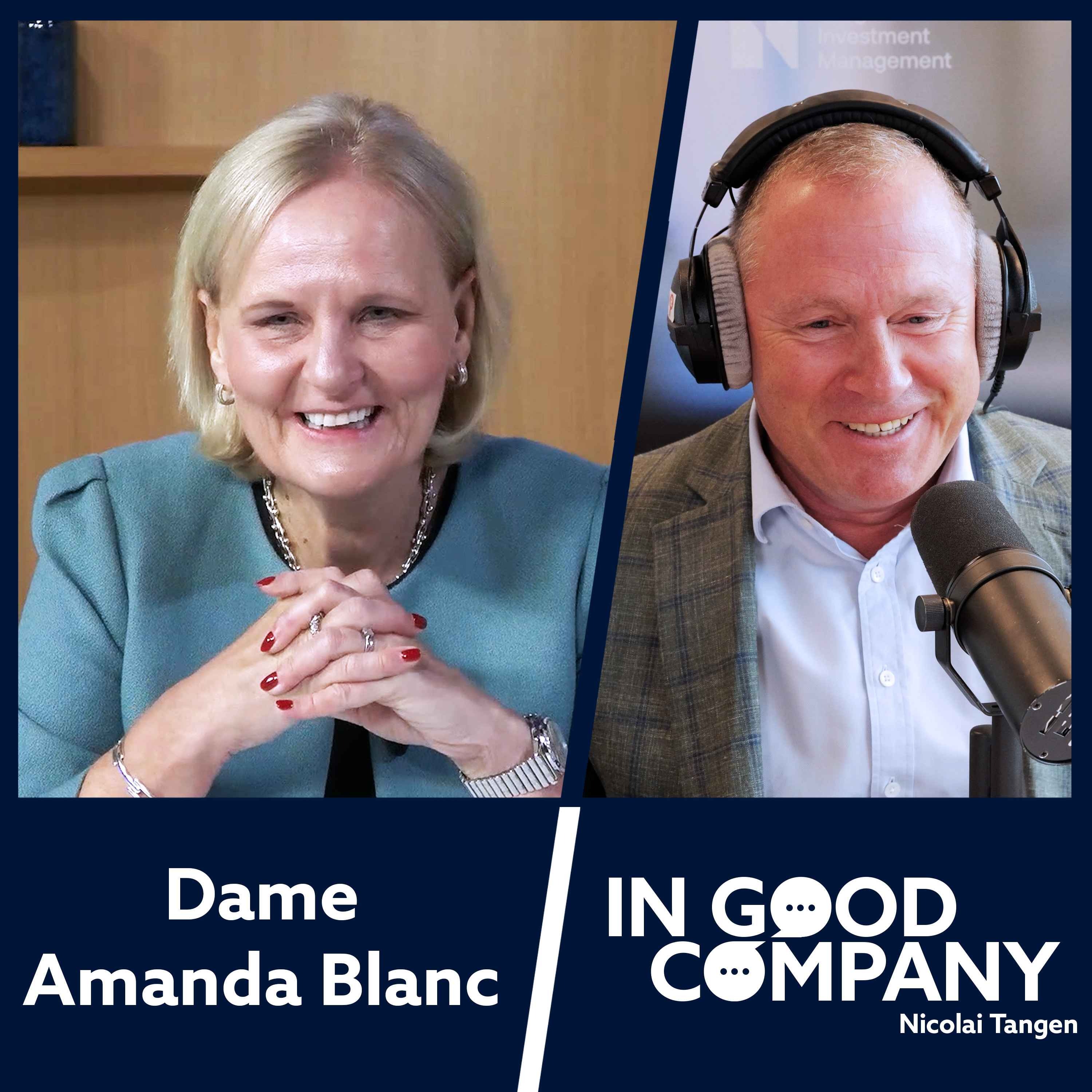
Aviva CEO Amanda Blanc believes superior execution of a good strategy is better than a brilliant one with poor follow-through. Her method involves cascading clear objectives to every employee, conducting relentless performance reviews, and embedding customer feedback at the highest levels to ensure actions consistently align with stated goals.
True strategy involves making tough choices about what not to do. Many executive teams resist this, preferring to keep all options open. This attachment to optionality leads to weak, unfocused strategies where everything is a priority, spreading teams thin and hindering real progress.

The traditional division between C-suite strategists and employee executors is obsolete. With rapidly shortening business cycles, strategy must be treated as a dynamic, iterative process developed collaboratively with the people on the ground executing it.
Companies stay stuck in failing models for three reasons: 1) The system rewards controllable but ineffective activity (more calls, more MQLs). 2) Leaders fear the perceived risk of foundational change. 3) A culture of urgency favors quick tactical fixes over addressing deep, systemic issues.

Research shows the biggest obstacle to hitting revenue targets isn't a lack of resources, but rather a lack of internal alignment on goals, ICP, and strategy. This presents a prime opportunity for experienced fractional leaders to provide immediate value by bringing clarity.
