Get your free personalized podcast brief
We scan new podcasts and send you the top 5 insights daily.
Many arguments are a cycle where one person, feeling shame, throws it at their partner through criticism or blame. The second person, now feeling attacked and ashamed, defends themselves in a way that feels like an attack back. They are just passing the "shame hot potato" back and forth without resolving the underlying feeling.

Related Insights
One partner's aggressive 'fight' response (porcupine) triggers the other's defensive 'flight' response (turtle). This withdrawal intensifies the porcupine's pursuit, creating a frustrating and exhausting cycle where neither party's needs are met.
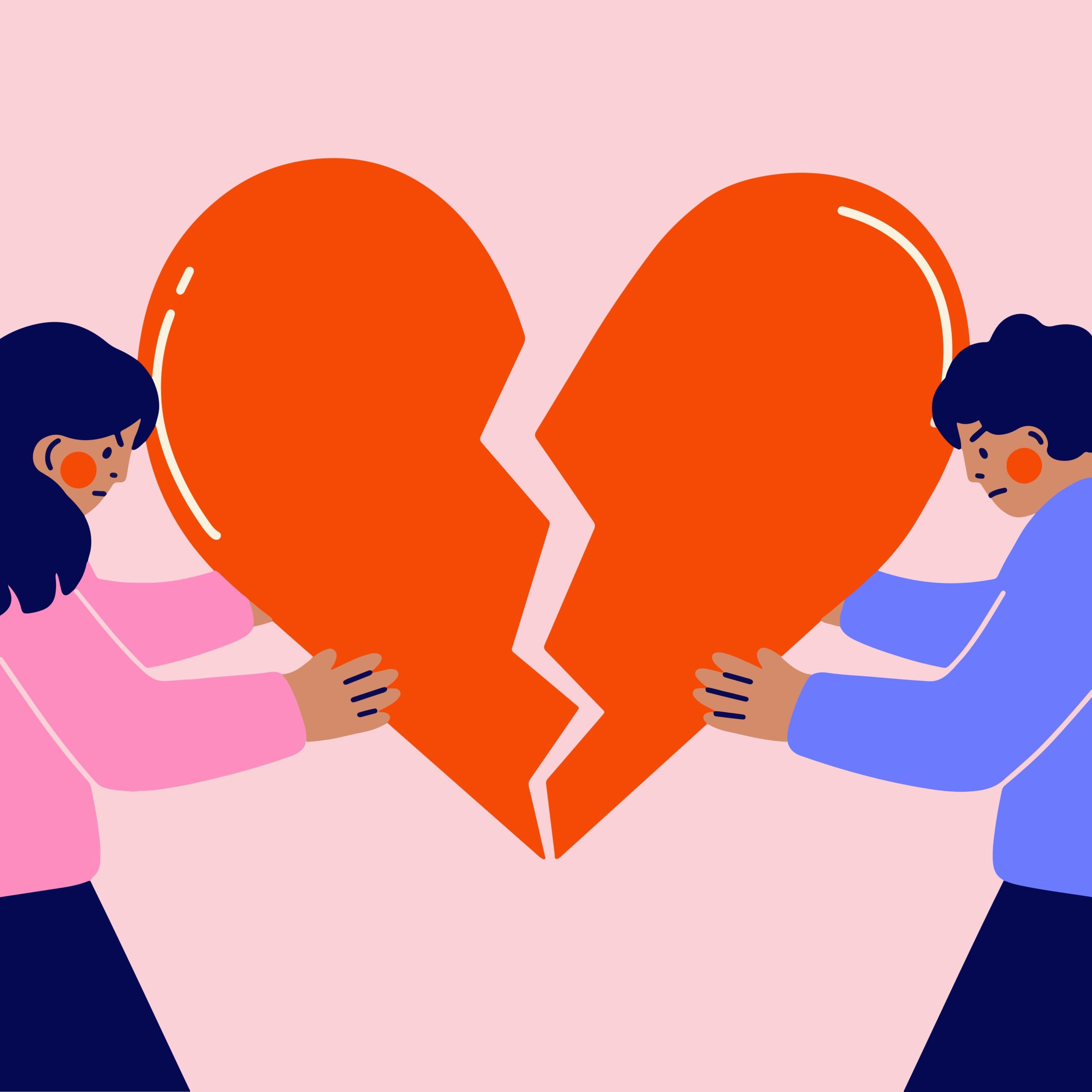
People in relationships often believe that if they can successfully prove their partner is to blame, they will feel satisfied and the problem will be resolved. Psychologist James Cordova argues this feeling of satisfaction from winning is a mirage that never materializes, making the entire effort futile.

Catastrophic relationship failures are rarely caused by a single event. Instead, they are the result of hundreds of small moments where a minor conflict could have been repaired with validation or an apology, but wasn't. The accumulation of these unrepaired moments erodes the relationship's foundation over time.

The difficulty in a conversation stems less from the topic and more from your internal thoughts and feelings. Mastering conflict requires regulating your own nervous system, reframing your perspective, and clarifying your motives before trying to influence the other person.
What appears as outward aggression, blame, or anger is often a defensive mechanism. These "bodyguards" emerge to protect a person's inner vulnerability when they feel hurt. To resolve conflict, one must learn to speak past the bodyguards to the underlying pain.
In a study, individuals with low self-esteem who believed their partners were listing their faults reacted defensively by devaluing their partners. This creates a downward spiral where perceived criticism leads to pre-emptive emotional attacks.

By framing a perpetual issue as an external, inanimate pattern (e.g., a 'spender-saver' dynamic), partners can stop blaming each other. This shifts the focus from personal failings to a shared problem they can address collaboratively, fostering connection instead of disconnection.
Based on a Zen story, "eating the blame" involves proactively apologizing for your part in a conflict, even when you feel your partner is more at fault. This emotionally counter-intuitive act breaks the cycle of defensiveness and creates space for resolution, making it a highly agentic move.
Rather than reacting defensively to a partner's harsh delivery, a skilled person 'ducks under it' to find the core issue. By addressing the partner's underlying pain, you de-escalate the conflict, turning a potential multi-day fight into a 10-minute resolution.

Couples in conflict often appear to be poor communicators. However, studies show these same individuals communicate effectively with strangers. The issue isn't a skill deficit, but a toxic emotional environment within the relationship that inhibits their willingness to collaborate.