Get your free personalized podcast brief
We scan new podcasts and send you the top 5 insights daily.
Venture capital should focus on what a founder does exceptionally well, rather than penalizing them for past failures or weaknesses. Ben Horowitz uses the Adam Neumann example to illustrate their principle: judge people by their spectacular talents (like building the WeWork brand) and help them manage their flaws, which is a more effective strategy than seeking perfectly flawless individuals.

Related Insights
A16z's decision to add Hollywood agent Michael Ovitz to their board was controversial but genius. It directly led to modeling the firm after Creative Artists Agency (CAA), a novel approach in venture capital. This shows the power of seeking board-level expertise from outside your industry to challenge core assumptions and unlock game-changing strategies.

A16z's foundational belief is that founders, not hired "professional CEOs," should lead their companies long-term. The firm is structured as a network of specialists to provide founders with the knowledge and connections they lack, enabling them to grow into the CEO role and succeed.
The ideal founder archetype starts with deep technical expertise and product sense. They then develop exceptional business and commercial acumen over time, a rarer and more powerful combination than a non-technical founder learning the product.
![David George - Building a16z Growth, Investing Across the AI Stack, and Why Markets Misprice Growth - [Invest Like the Best, EP.450] thumbnail](https://megaphone.imgix.net/podcasts/8da7dbd8-ceeb-11f0-941c-ef83bcdd4c9f/image/d44107bc94719f78fbe91befb141073e.jpg?ixlib=rails-4.3.1&max-w=3000&max-h=3000&fit=crop&auto=format,compress)
Mamoun Hamid's key advice for young investors is to get exposure to the absolute best founders and management teams early. Witnessing an "A++ team" operate firsthand provides an invaluable benchmark. This direct experience makes it much easier to spot true excellence in the wild and to hold other portfolio companies to that high standard.
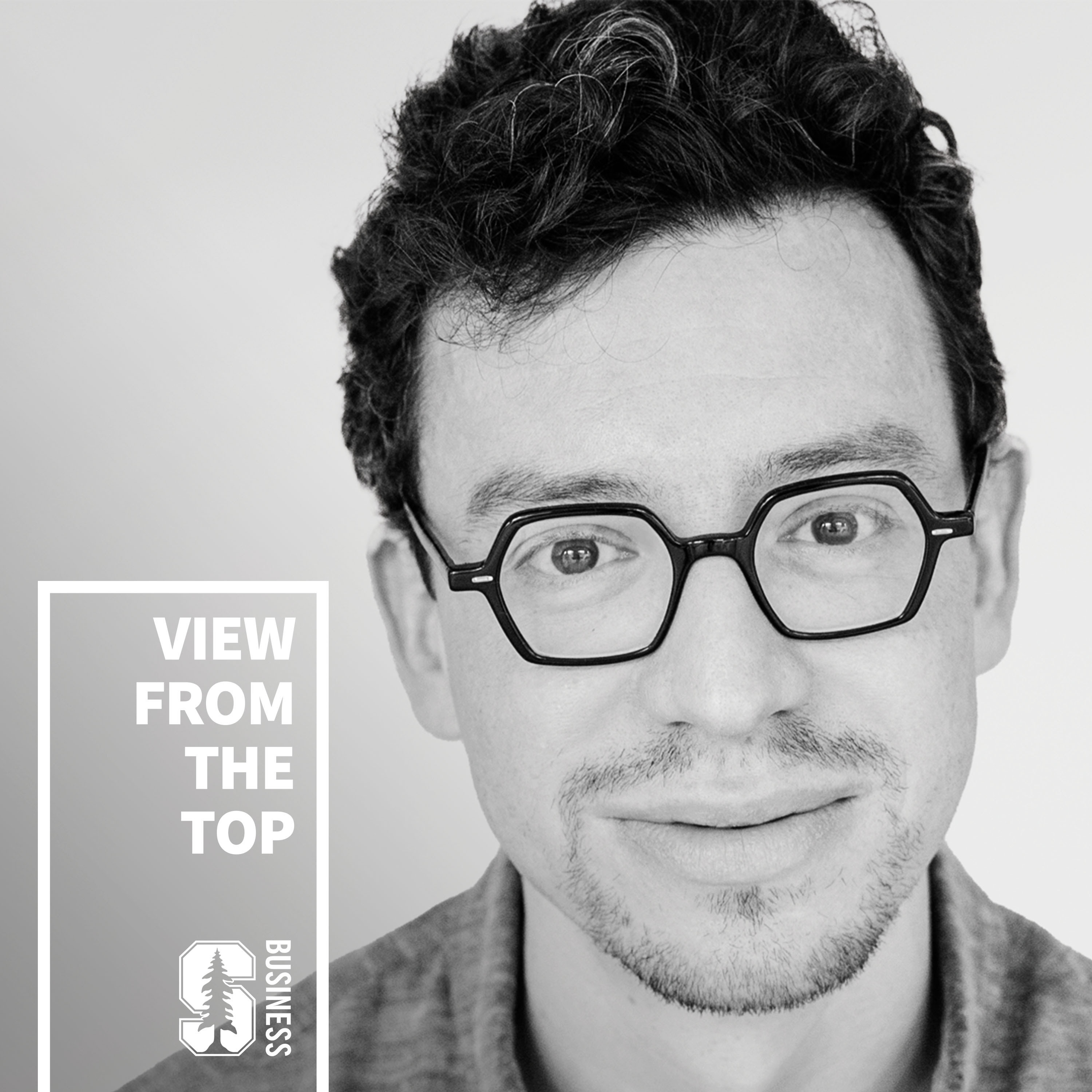
Duolingo's first investors admitted they didn't believe in the education market, which they considered a bad business. They invested solely because founder Luis von Ahn had a previous successful exit to Google, demonstrating that a founder's track record can be more persuasive to early VCs than the business idea itself.
Investor Mark Rampolla argues that a brand's potential is capped by its leader's personal development. His firm seeks self-aware founders committed to "inner work," believing this psychological resilience is a key predictor of building a billion-dollar company.

VCs at the highest level don't just write checks; they fundamentally reset a founder's aspirations. By placing a startup in the lineage of giants like Google and Oracle, they shift the goal from building a big business to creating a generational company.

Lacking deep category knowledge fosters the naivety and ambition required for groundbreaking startups. This "beginner's mind" avoids preconceived limitations and allows for truly novel approaches, unlike the incrementalism that experience can sometimes breed. It is a gift, not a curse.

Instead of chasing trends or pivoting every few weeks, founders should focus on a singular mission that stems from their unique expertise and conviction. This approach builds durable, meaningful companies rather than simply chasing valuations.

The most driven entrepreneurs are often fueled by foundational traumas. Understanding a founder's past struggles—losing family wealth or social slights—provides deep insight into their intensity, work ethic, and resilience. It's a powerful, empathetic tool for diligence beyond the balance sheet.
![Martín Escobari - Inside General Atlantic - [Invest Like the Best, EP.449] thumbnail](https://megaphone.imgix.net/podcasts/90e6e3e6-c984-11f0-ae5f-27bb851bdc56/image/608fac468f77cb3014e96336896d96de.jpg?ixlib=rails-4.3.1&max-w=3000&max-h=3000&fit=crop&auto=format,compress)