Get your free personalized podcast brief
We scan new podcasts and send you the top 5 insights daily.
The early-stage venture market has split into two categories: "Large Cap" for hyper-growth companies with massive valuations, and "Small Cap" for traditionally-paced startups. VCs must choose a lane, as building a portfolio that mixes these different risk and reward profiles is a recipe for failure.

Related Insights
The current fundraising environment is the most binary in recent memory. Startups with the "right" narrative—AI-native, elite incubator pedigree, explosive growth—get funded easily. Companies with solid but non-hype metrics, like classic SaaS growers, are finding it nearly impossible to raise capital. The middle market has vanished.
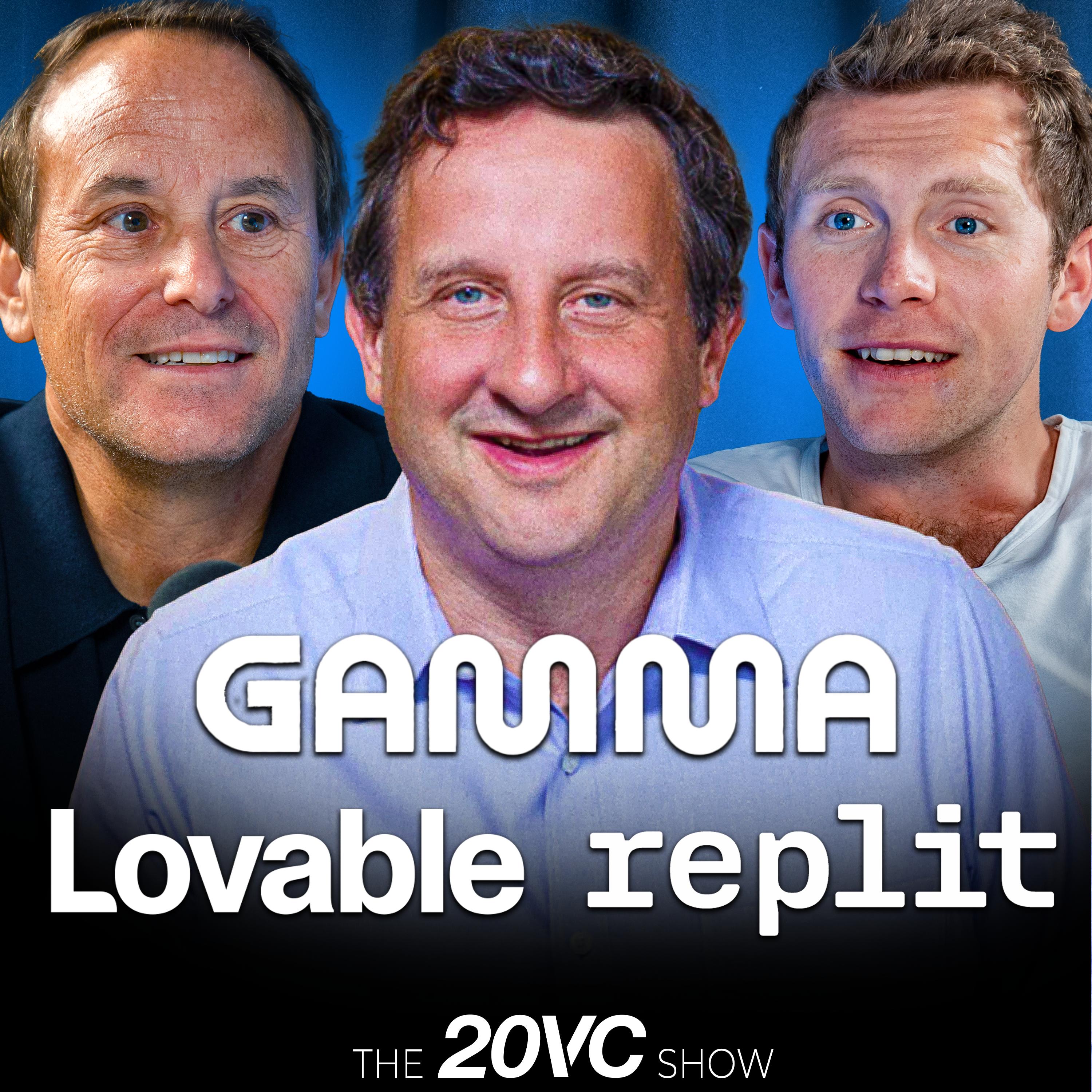
Y Combinator's model pushes companies to raise at high valuations, often bypassing traditional seed rounds. Simultaneously, mega-funds cherry-pick the most proven founders at prices seed funds cannot compete with. This leaves traditional seed funds fighting for a narrowing and less attractive middle ground.
The early-stage venture market has split into two extremes, eliminating the middle ground. Deals are either priced for hype at massive valuations (e.g., a $50M pre-seed round) or are considered bargains at very low valuations (e.g., $2-5M), forcing investors to choose a side.

The VC industry has fragmented into distinct models—small seed specialists, large lifecycle funds, accelerators—each with different economics. However, strategies and public discourse often treat VC as a monolithic entity, leading firms to misapply playbooks that don't fit their specific game.
The VC landscape is bifurcating into two asset classes. 'Consensus VC' involves large, legacy firms making safe, institutional bets. 'Traditional VC' still focuses on high-risk, pioneering wagers on unique founders, akin to the original Xerox PARC model.

The venture capital landscape is bifurcating. Mega-funds attract the most capital and dominate large rounds, while specialized early-stage funds own the seed stage. This leaves traditional $200-400 million Series A funds in a precarious position, struggling to compete and facing difficulties raising their next funds.

In AI, companies can reach massive valuations quickly and still offer venture-like returns (e.g., 10x+). This makes traditional stage definitions (early, growth) irrelevant. Investors should ignore stage and focus on the magnitude of the opportunity, whether it's two founders or a $60B company.

The venture capital landscape is bifurcating. Large, multi-stage funds leverage scale and network, while small, boutique funds win with deep domain expertise. Mid-sized generalist funds lack a clear competitive edge and risk getting squeezed out by these two dominant models.

The classic seed strategy of investing in a founder in a small market and hoping they "stair-step" into a larger Total Addressable Market (TAM) is no longer viable. With entry valuations at $60M+, investors must believe the opportunity is already massive enough to justify a $20B+ outcome to make the math work.

A tale of two venture markets is emerging. Large, established mega-funds are raising the bulk of capital and deploying it rapidly. Meanwhile, smaller, emerging managers face a tough environment, with the rate of firms successfully raising a second fund hitting a five-year low.
