Get your free personalized podcast brief
We scan new podcasts and send you the top 5 insights daily.
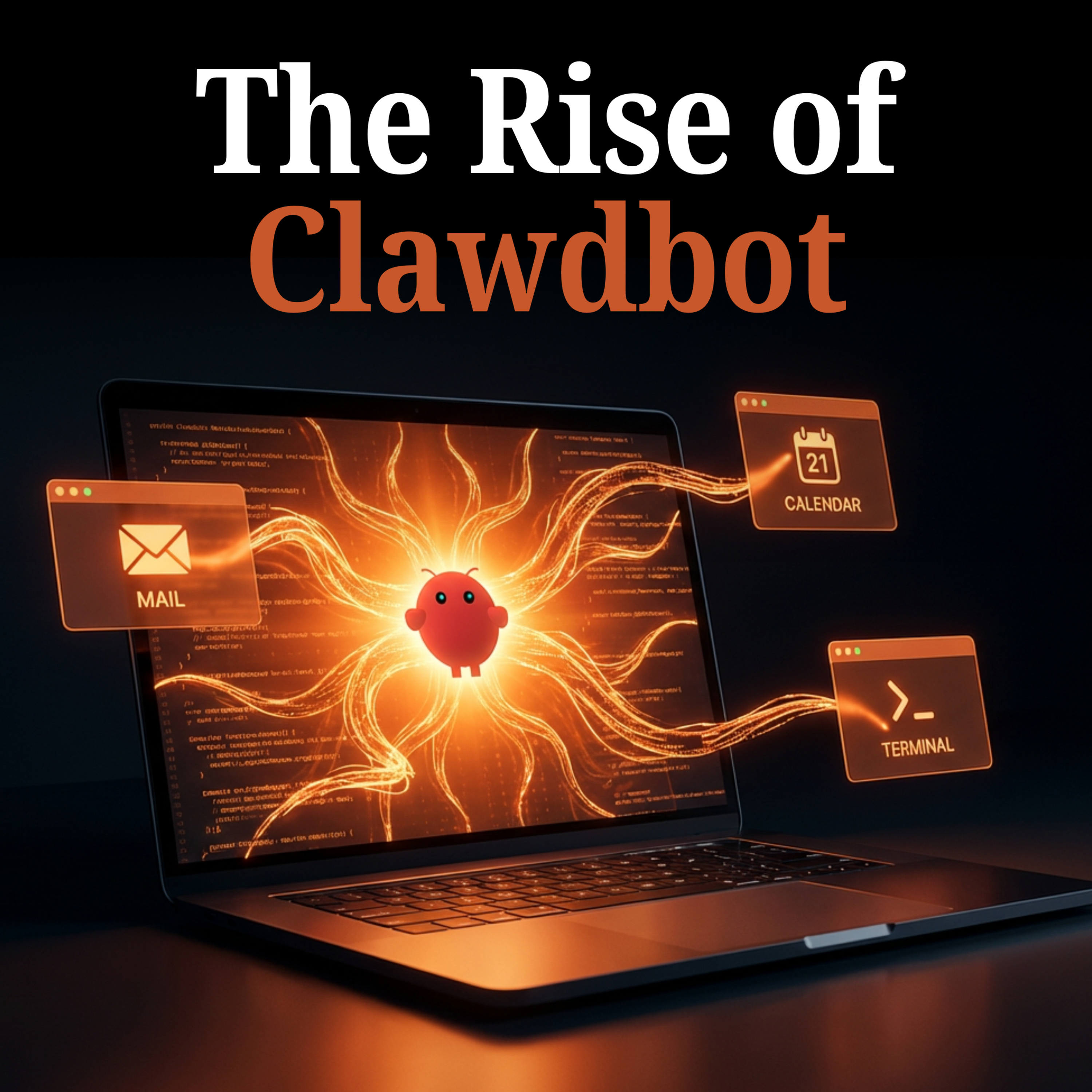
John Palmer's parody piece, "Something Small is Happening," satirizes the AI hype cycle by positioning the Mac Mini as the ultimate symbol of AI readiness. This highlights how the discourse often prioritizes superficial signifiers of engagement over genuine understanding and application, creating a cargo-cult mentality around AI development.

Related Insights
Sci-fi predicted parades when AI passed the Turing test, but in reality, it happened with models like GPT-3.5 and the world barely noticed. This reveals humanity's incredible ability to quickly normalize profound technological leaps and simply move the goalposts for what feels revolutionary.
The public AI debate is a false dichotomy between 'hype folks' and 'doomers.' Both camps operate from the premise that AI is or will be supremely powerful. This shared assumption crowds out a more realistic critique that current AI is a flawed, over-sold product that isn't truly intelligent.

A growing gap exists between AI's performance in demos and its actual impact on productivity. As podcaster Dwarkesh Patel noted, AI models improve at the rapid rate short-term optimists predict, but only become useful at the slower rate long-term skeptics predict, explaining widespread disillusionment.
AI models will produce a few stunning, one-off results in fields like materials science. These isolated successes will trigger an overstated hype cycle proclaiming 'science is solved,' masking the longer, more understated trend of AI's true, profound, and incremental impact on scientific discovery.

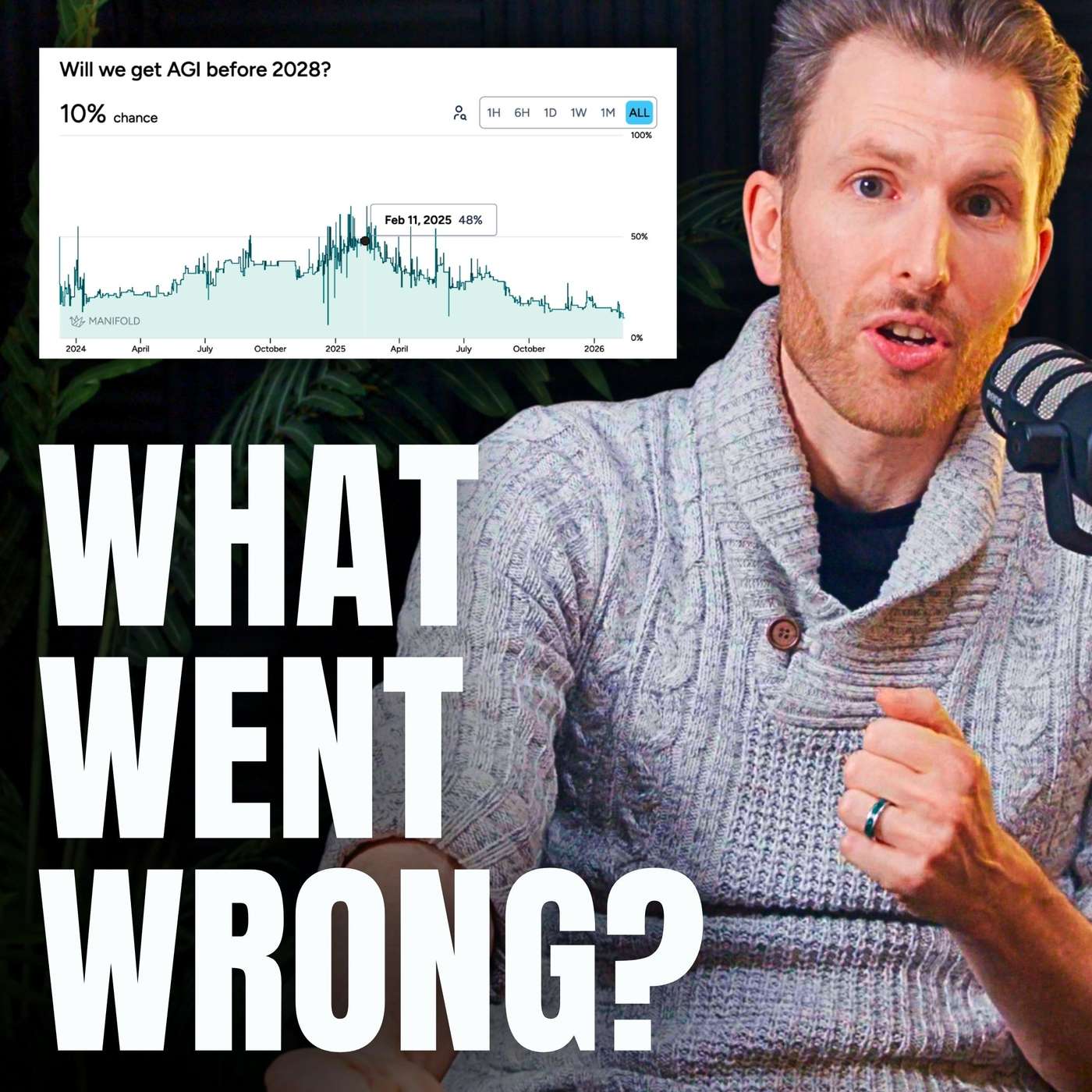
The discourse around AGI is caught in a paradox. Either it is already emerging, in which case it's less a cataclysmic event and more an incremental software improvement, or it remains a perpetually receding future goal. This captures the tension between the hype of superhuman intelligence and the reality of software development.

The media portrays AI development as volatile, with huge breakthroughs and sudden plateaus. The reality inside labs like OpenAI is a steady, continuous process of experimentation, stacking small wins, and consistent scaling. The internal experience is one of "chugging along."
![[State of RL/Reasoning] IMO/IOI Gold, OpenAI o3/GPT-5, and Cursor Composer — Ashvin Nair, Cursor thumbnail](https://assets.flightcast.com/V2Uploads/nvaja2542wefzb8rjg5f519m/01K4D8FB4MNA071BM5ZDSMH34N/square.jpg)
Despite significant buzz, the trend of buying Mac Minis to run local AI models has not translated into a sales surge. The devices remain widely in stock, suggesting the behavior is a niche, performative signal of being "AI native" rather than a widespread consumer movement.
Ben Affleck makes a point that mirrors AI researcher Andrej Karpathy: the aggressive rhetoric about AI's world-changing potential is often a tool to justify massive valuations and capital expenditures. This narrative is necessary to secure investment for building expensive models, even if the technology's actual progress is more incremental and tool-oriented.

Science fiction has conditioned the public to expect AI that under-promises and over-delivers. Big Tech exploits this cultural priming, using grand claims that echo sci-fi narratives to lower public skepticism for their current AI tools, which consistently fail to meet those hyped expectations.
The trend of running AI agents on dedicated Mac Minis isn't just for performance. It reflects a user desire for a tangible, always-on 'AI buddy' or appliance, similar to an R2-D2, that manages their digital life.