Get your free personalized podcast brief
We scan new podcasts and send you the top 5 insights daily.
The AI model landscape will likely bifurcate like computer operating systems. Closed-source models (OpenAI, Anthropic) will dominate user-facing applications (like Windows/macOS), while open-source models will become the Linux of AI, powering backend enterprise infrastructure and custom applications.

Related Insights
Anthropic is positioning itself as the "Apple" of AI: tasteful, opinionated, and focused on prosumer/enterprise users. In contrast, OpenAI is the "Microsoft": populist and broadly appealing, creating a familiar competitive dynamic that suggests future product and marketing strategies.
Just as developers use various databases for different needs, AI applications will rely on a "constellation" of specialized models. Some tasks will require expensive, high-reasoning models, while others will prioritize low-latency or low-cost models. The market will become heterogeneous, not monolithic.

Despite a booming AI startup ecosystem, revenue is intensely concentrated. Foundational model providers OpenAI and Anthropic capture nearly 90% of the market, and their share is growing, squeezing out application-layer companies.

Contrary to past momentum, the most advanced AI startups are increasingly adopting and fine-tuning open-source models. This shift is driven by the need for cost-effective speed and deep customization as their workloads mature and scale.
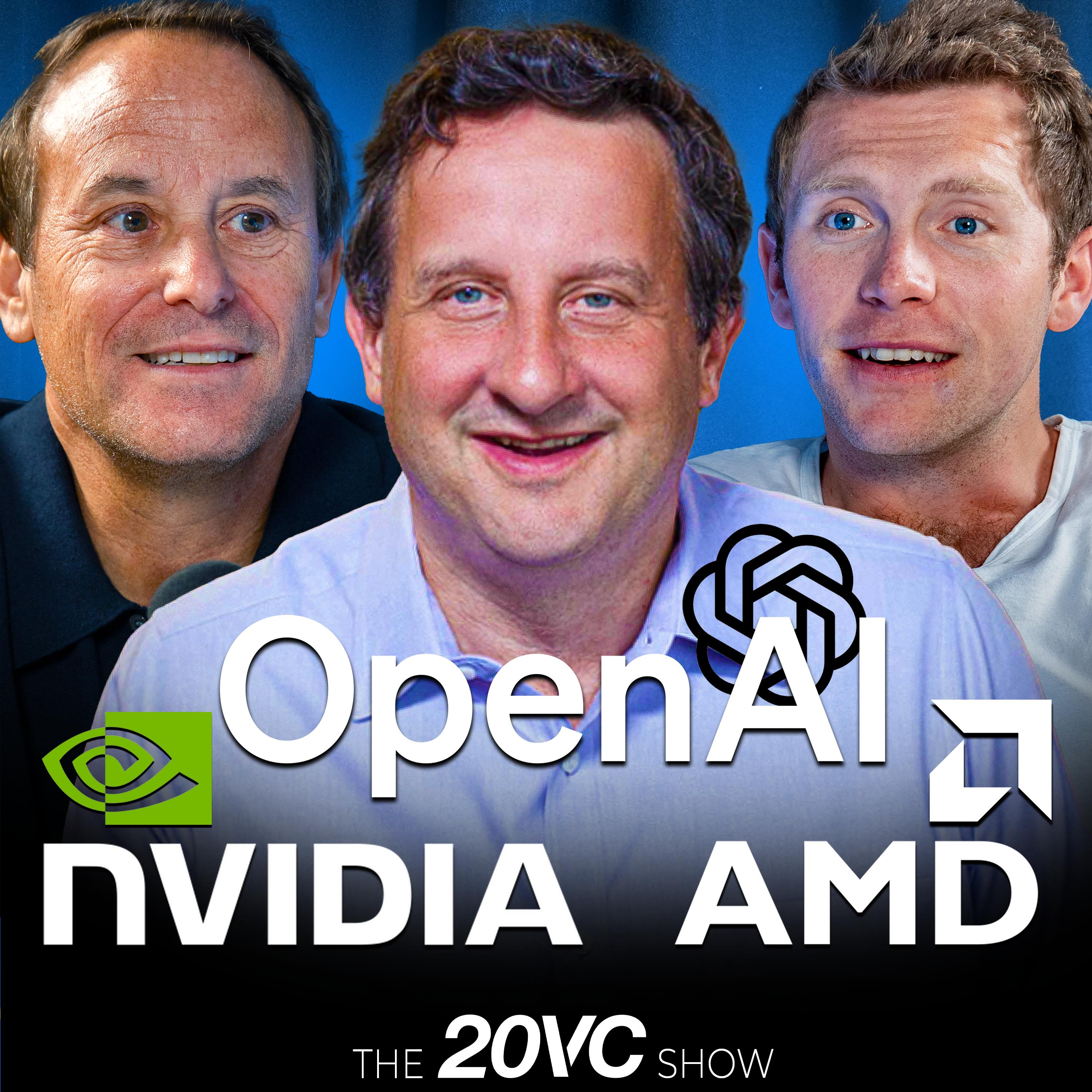
The current AI landscape mirrors the historic Windows-Intel duopoly. OpenAI is the new Microsoft, controlling the user-facing software layer, while NVIDIA acts as the new Intel, dominating essential chip infrastructure. This parallel suggests a long-term power concentration is forming.
Leading AI companies like Anthropic are positioning themselves as the infrastructure layer for intelligence, akin to how AWS provides infrastructure for computing. Their strategy is to partner with and enable existing SaaS companies, not to destroy them by competing directly at the application level.

While closed labs like OpenAI and Anthropic possess superior raw model capabilities, the open-source community is ahead in developing 'agent primitives'—the fundamental components like memory, orchestration, and evaluation. This creates a layered ecosystem where closed models may rely on open-source agent architectures.

The idea that one company will achieve AGI and dominate is challenged by current trends. The proliferation of powerful, specialized open-source models from global players suggests a future where AI technology is diverse and dispersed, not hoarded by a single entity.

Counter to the idea of a few dominant frontier models, Satya Nadella believes the AI model market will mirror the database market's evolution. He expects a proliferation of specialized models, including open-source and proprietary ones, with firms eventually embedding their unique tacit knowledge into custom models they control.

The AI market is bifurcating. Large, general-purpose frontier models will dominate the massive consumer sector. However, the enterprise world, where "good enough is not good enough," will increasingly adopt more accurate, cost-effective, and accountable domain-specific sovereign models to achieve real productivity benefits.
