Get your free personalized podcast brief
We scan new podcasts and send you the top 5 insights daily.
Anthropic is positioning itself as the "Apple" of AI: tasteful, opinionated, and focused on prosumer/enterprise users. In contrast, OpenAI is the "Microsoft": populist and broadly appealing, creating a familiar competitive dynamic that suggests future product and marketing strategies.
Related Insights
While OpenAI pursues a broad strategy across consumer, science, and enterprise, Anthropic is hyper-focused on the $2 trillion software development market. This narrow focus on high-value enterprise use cases is allowing it to accelerate revenue significantly faster than its more diversified rival.
![Dylan Patel - Inside the Trillion-Dollar AI Buildout - [Invest Like the Best, EP.442] thumbnail](https://megaphone.imgix.net/podcasts/799253cc-9de9-11f0-8661-ab7b8e3cb4c1/image/d41d3a6f422989dc957ef10da7ad4551.jpg?ixlib=rails-4.3.1&max-w=3000&max-h=3000&fit=crop&auto=format,compress)
A crucial strategic distinction in the AI race is revenue source. Anthropic derives 85% of its revenue from business customers, whereas OpenAI gets 60% from consumers. This B2B focus gives Anthropic a different growth path and market position.

While OpenAI and Google position their AIs as neutral tools (ChatGPT, Gemini), Anthropic is building a distinct brand by personifying its model as 'Claude.' This throwback to named assistants like Siri and Alexa creates a more personal user relationship, which could be a key differentiator in the consumer AI market.

Dario Amadei's public criticism of advertising and "social media entrepreneurs" isn't just personal ideology. It's a strategic narrative to position Anthropic as the principled, enterprise-focused AI choice, contrasting with consumer-focused rivals like Google and OpenAI who need to "maximize engagement for a billion users."
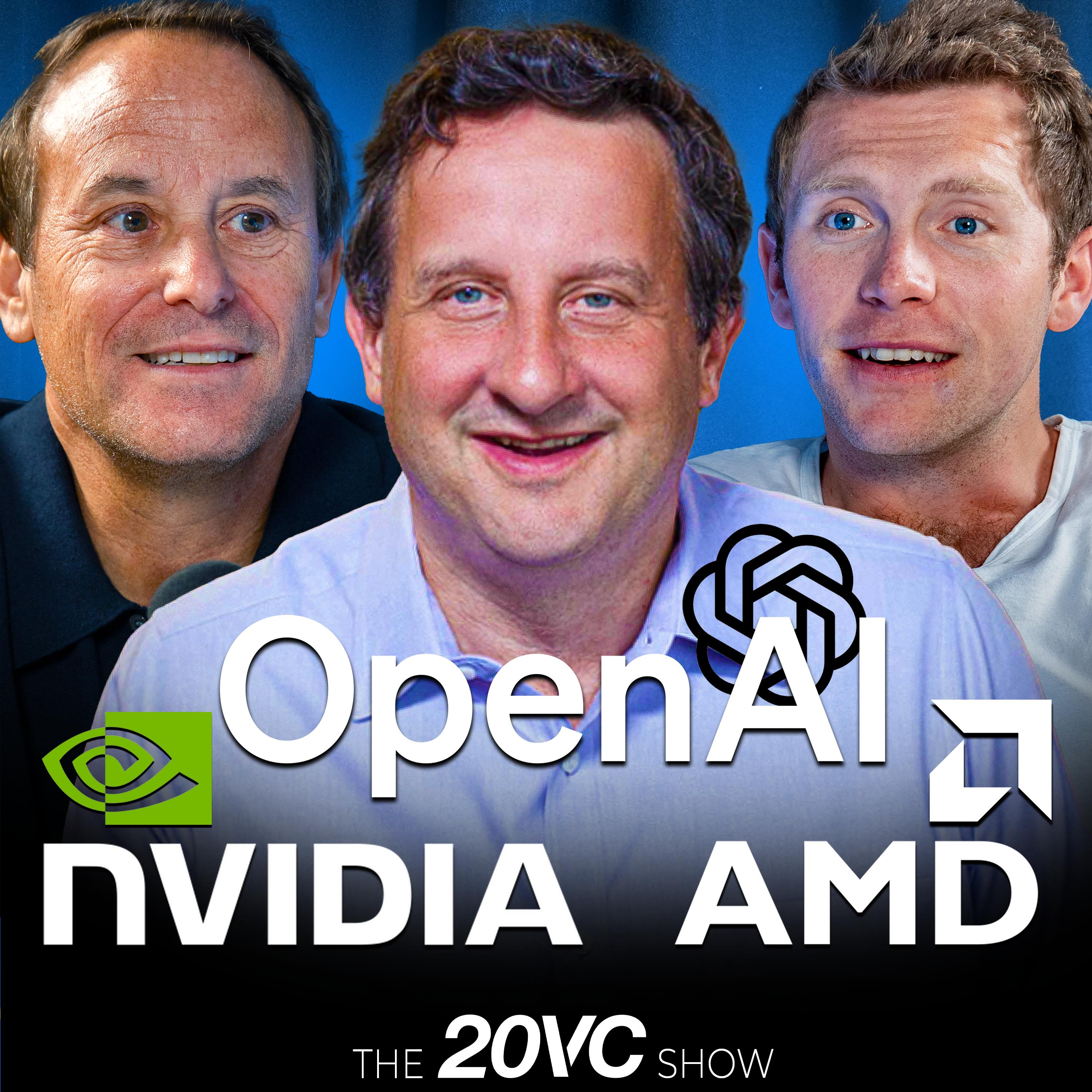
The current AI landscape mirrors the historic Windows-Intel duopoly. OpenAI is the new Microsoft, controlling the user-facing software layer, while NVIDIA acts as the new Intel, dominating essential chip infrastructure. This parallel suggests a long-term power concentration is forming.
By publicly clashing with the Pentagon over military use and emphasizing safety, Anthropic is positioning itself as the "clean, well-lit corner" of the AI world. This builds trust with large enterprise clients who prioritize risk management and predictability, creating a competitive advantage over rivals like OpenAI.

OpenAI is caught in a strategic trap. It's being attacked "from above" by giants like Google (Alphabet) who can leverage a massive built-in user base. Simultaneously, it's being attacked "from below" by competitors like Anthropic, who are successfully capturing the lucrative enterprise market, putting OpenAI's valuation at risk.
While OpenAI battles Google for consumer attention, Anthropic is capturing the lucrative enterprise market. Its strategy focuses on API spend and developer-centric tools, which are more reliable and scalable revenue generators than consumer chatbot subscriptions facing increasing free competition.

Microsoft, despite its deep ties to OpenAI, was alarmed by the capabilities of Anthropic's new productivity platform. This reaction signifies a competitive shift where Anthropic is now seen as a primary threat, forcing Microsoft to rapidly prototype similar features to maintain its edge in AI productivity tools.

In response to Anthropic's ads, Sam Altman positioned OpenAI as committed to free access for billions via ads, while casting Anthropic as an "expensive product to rich people." This reframes the business model debate as a question of democratic accessibility versus exclusivity.
