Get your free personalized podcast brief
We scan new podcasts and send you the top 5 insights daily.
The word 'agent' is overloaded, referring to both simple tools and complex systems. This ambiguity leads teams to build solutions that are too simple for complex goals or too complex for simple tasks, causing projects to fail.

Related Insights
Teams often over-engineer solutions by building complex, goal-oriented agentic systems for tasks better suited for simple, single-purpose AI agents. Starting with a well-scoped agent is faster, cheaper, and more reliable for delivering early value.
The term "agent" is largely a rebrand for programs that take a long time to run. In an enterprise context, their functions are best categorized as looking up data (easy), taking action (raises credential issues), or analyzing data (prone to hallucination). This framework helps demystify the current state of agentic AI.

For AI agents requiring deep, nuanced training, the 'self-service' model is currently ineffective. These complex tools still demand significant, hands-on human expertise for successful deployment and management. Don't fall for vendors promising a cheap, self-trainable solution for sophisticated tasks.

The terminology for AI tools (agent, co-pilot, engineer) is not just branding; it shapes user expectations. An "engineer" implies autonomous, asynchronous problem-solving, distinct from a "co-pilot" that assists or an "agent" that performs single-shot tasks. This positioning is critical for user adoption.
The most common failure in AI-driven development is attempting to run multiple agents in parallel too early, which produces chaotic and unreliable output. Instead, start by building one agent for a single, well-understood process like PR reviews or doc generation. Add new roles and quality gates incrementally before attempting parallelism.
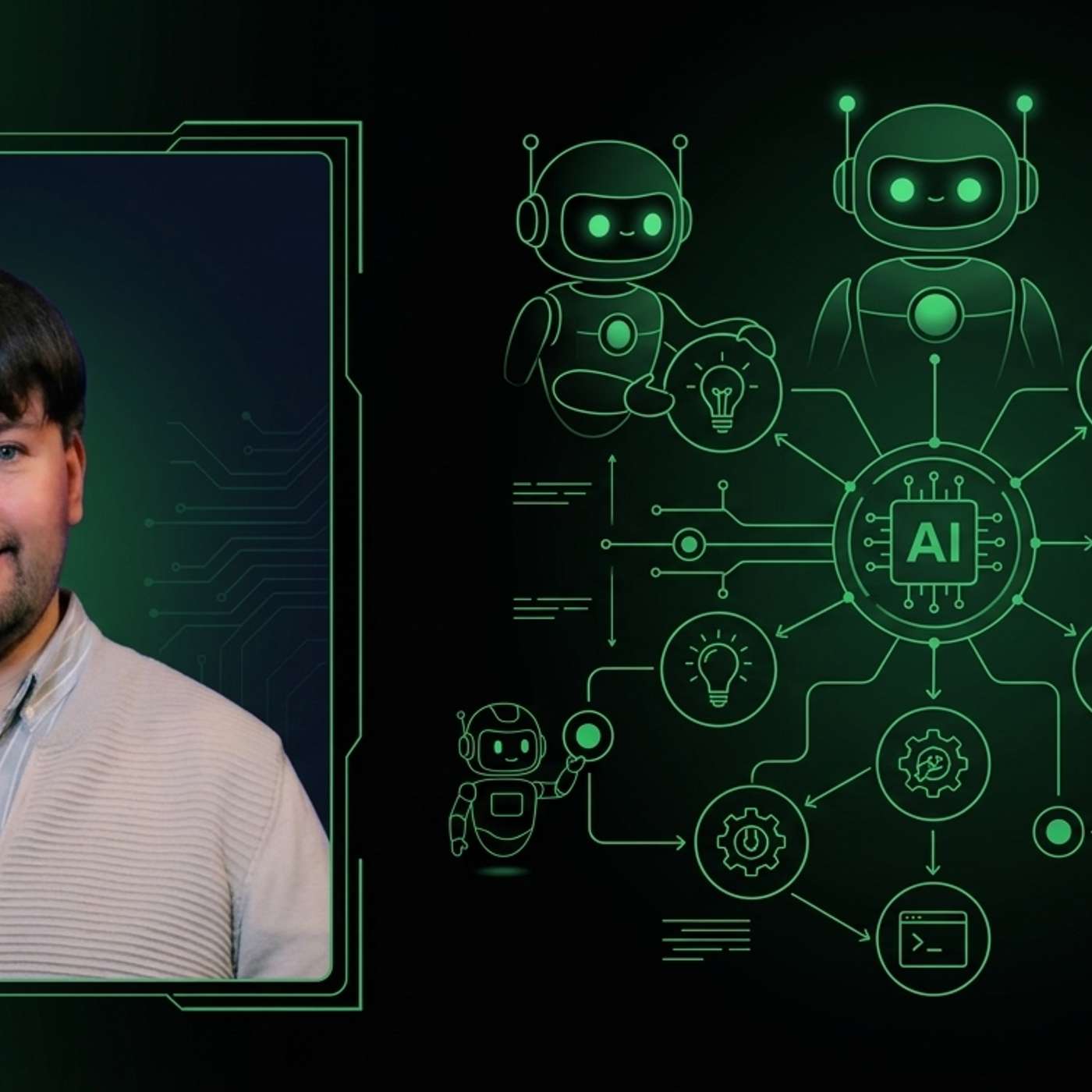
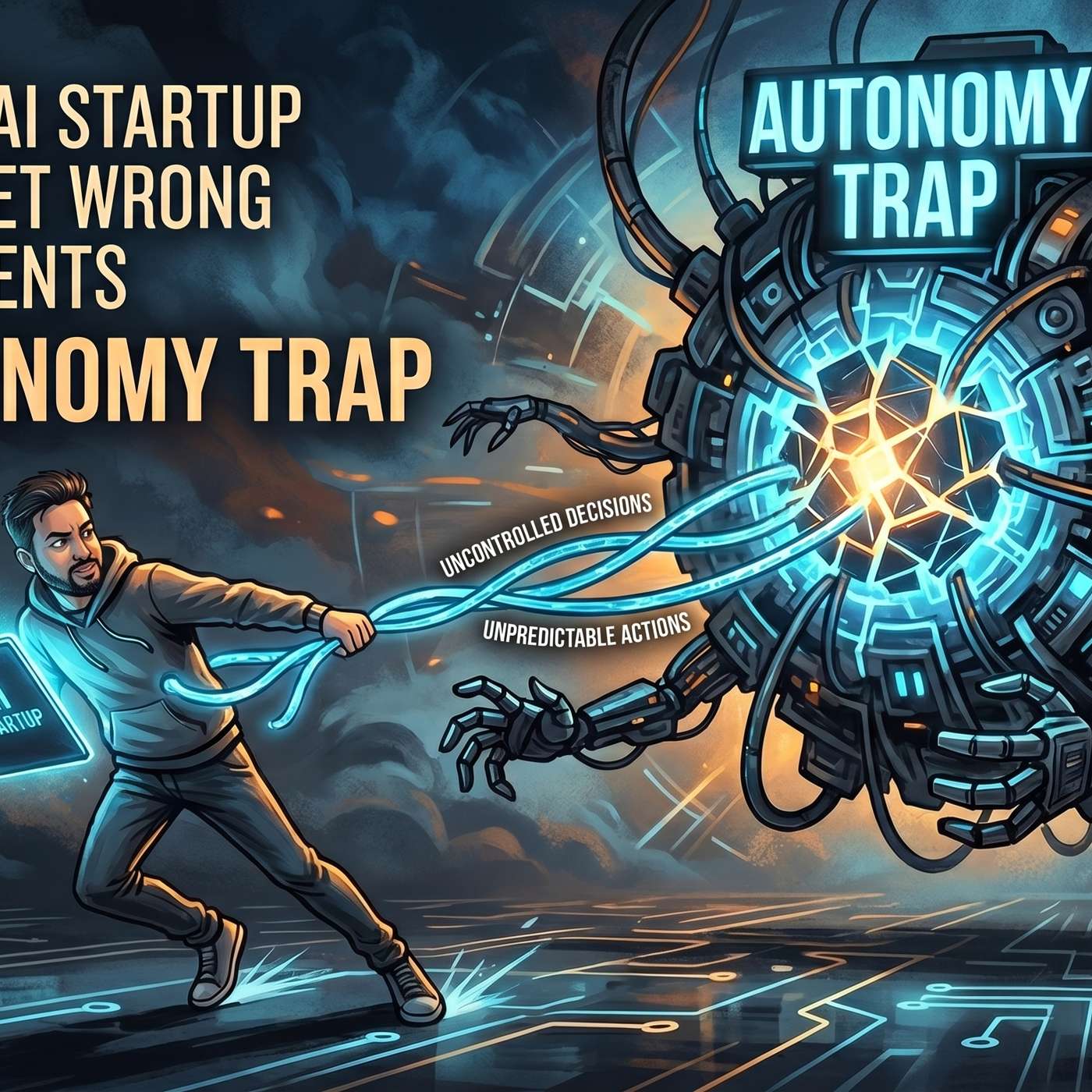
Many AI founders mistakenly pursue fully autonomous agents, overlooking current limitations like inconsistent reasoning and context loss. This "autonomy trap" leads to project failure because real-world applications require supervision and monitoring, not a complete, unsupervised replacement of humans.
Simply giving an AI agent thousands of tools is counterproductive. The real value lies in an 'agentic tool execution layer' that provides just-in-time discovery and managed execution to prevent the agent from getting overwhelmed by its options.

A single AI agent tasked with a broad range of responsibilities will lack the necessary depth and fail, similar to a human generalist. The solution is to create a 'team' of specialized digital workers, each an expert in one area, that collaborate to complete complex tasks.

A single AI agent attempting multiple complex tasks produces mediocre results. The more effective paradigm is creating a team of specialized agents, each dedicated to a single task, mimicking a human team structure and avoiding context overload.

While projects like Agency and A2A solve crucial communication and identity problems for AI agents, these are foundational. The larger, unsolved challenge preventing distributed superintelligence is the semantic layer: enabling agents to establish shared meaning and intent.
