Get your free personalized podcast brief
We scan new podcasts and send you the top 5 insights daily.
For AI agents requiring deep, nuanced training, the 'self-service' model is currently ineffective. These complex tools still demand significant, hands-on human expertise for successful deployment and management. Don't fall for vendors promising a cheap, self-trainable solution for sophisticated tasks.

Related Insights
The transformative power of AI agents is unlocked by professionals with deep domain knowledge who can craft highly specific, iterative prompts and integrate the agent into a valid workflow. The technology itself does not compensate for a lack of expertise or flawed underlying processes.
AI is not a 'set and forget' solution. An agent's effectiveness directly correlates with the amount of time humans invest in training, iteration, and providing fresh context. Performance will ebb and flow with human oversight, with the best results coming from consistent, hands-on management.
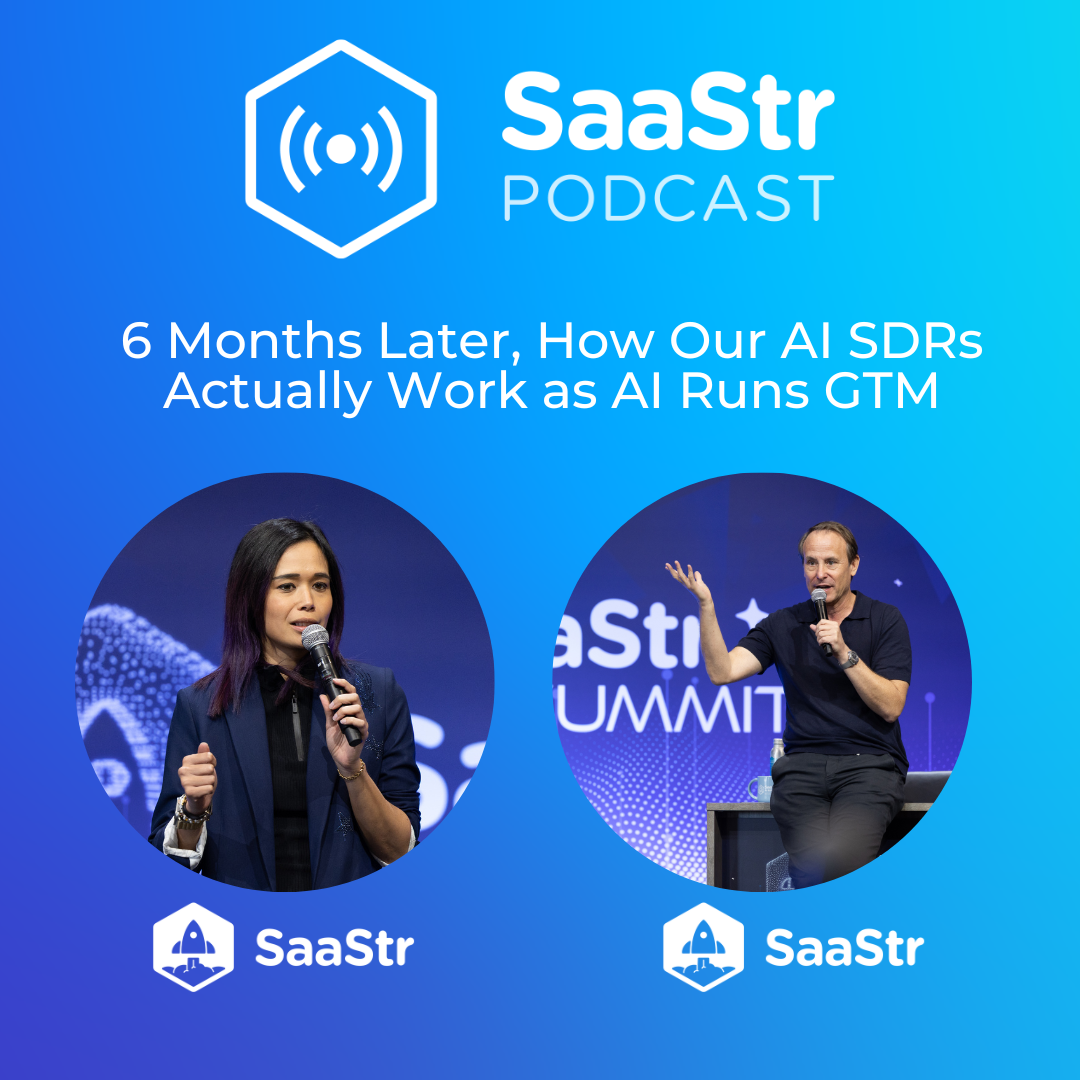
AI agent tools require significant training and iteration. Success depends less on software features and more on the vendor's commitment to implementation. Prioritize vendors offering a dedicated "forward-deployed engineer" who will actively help you train and deploy the agent.

Unlike traditional SaaS, AI agents require weeks of hands-on training. The most critical factor for success is the quality of the vendor's forward deployed engineer (FDE) who helps implement, not the product's brand recognition or feature superiority.

Frame AI agent development like training an intern. Initially, they need clear instructions, access to tools, and your specific systems. They won't be perfect at first, but with iterative feedback and training ('progress over perfection'), they can evolve to handle complex tasks autonomously.

While choosing a leading vendor is important, the ultimate success of an AI agent hinges on the deep, continuous training you invest. An average tool with excellent, hands-on training will outperform a top-tier tool with zero effort put into its refinement.
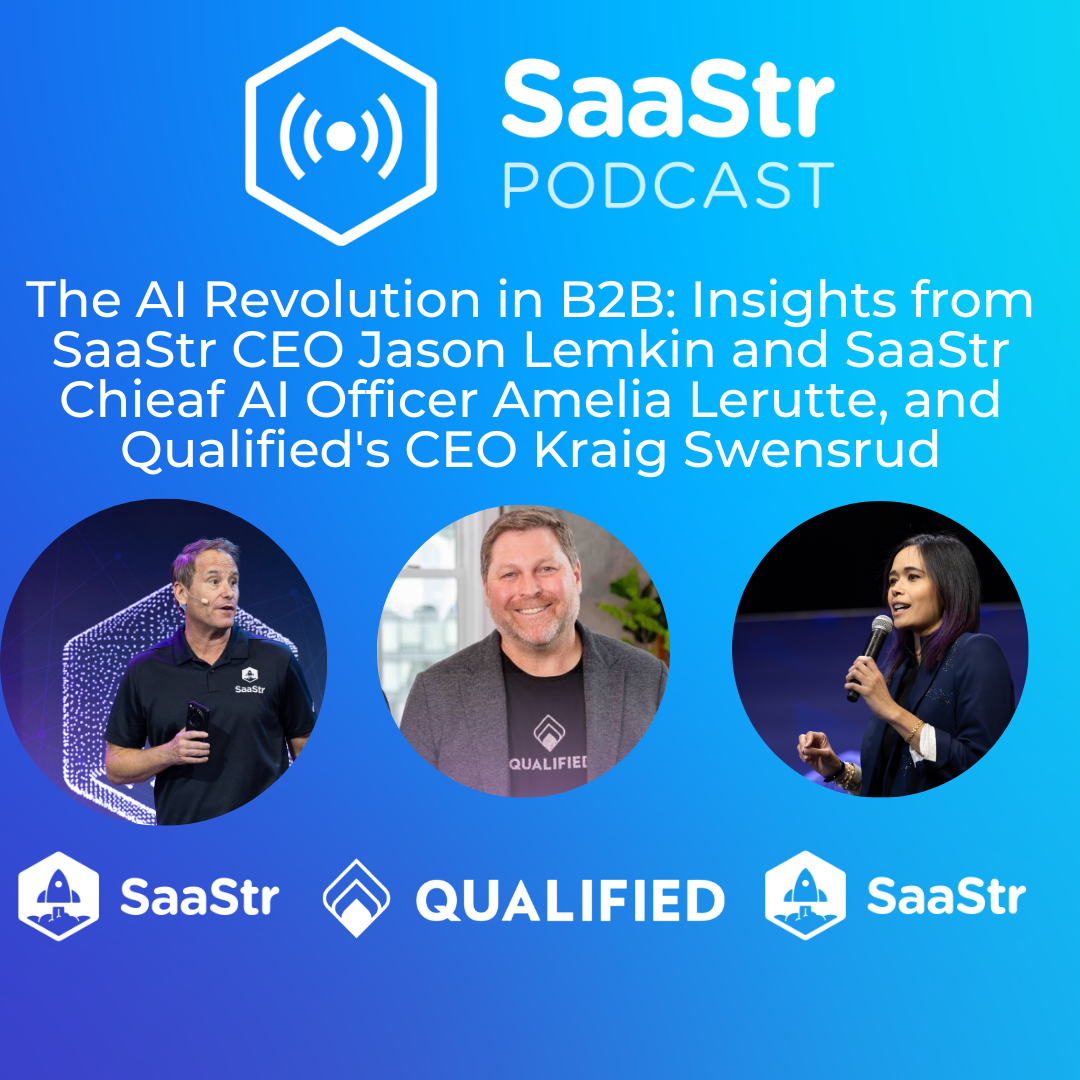
Unlike deterministic SaaS software that works consistently, AI is probabilistic and doesn't work perfectly out of the box. Achieving 'human-grade' performance (e.g., 99.9% reliability) requires continuous tuning and expert guidance, countering the hype that AI is an immediate, hands-off solution.

Current AI workflows are not fully autonomous and require significant human oversight, meaning immediate efficiency gains are limited. By framing these systems as "interns" that need to be "babysat" and trained, organizations can set realistic expectations and gradually build the user trust necessary for future autonomy.

Vendors selling "one-click" AI agents that promise immediate gains are likely just marketing. Due to messy enterprise data and legacy infrastructure, any meaningful AI deployment that provides significant ROI will take at least four to six months of work to build a flywheel that learns and improves over time.

While AI models excel at gathering and synthesizing information ('knowing'), they are not yet reliable at executing actions in the real world ('doing'). True agentic systems require bridging this gap by adding crucial layers of validation and human intervention to ensure tasks are performed correctly and safely.
