Get your free personalized podcast brief
We scan new podcasts and send you the top 5 insights daily.
Rahm Emanuel pinpoints a key Democratic misstep: moving from a passive 'culture of acceptance' on social issues to an active 'culture of advocacy,' which prioritized niche topics like bathroom access over core concerns like education.

Related Insights
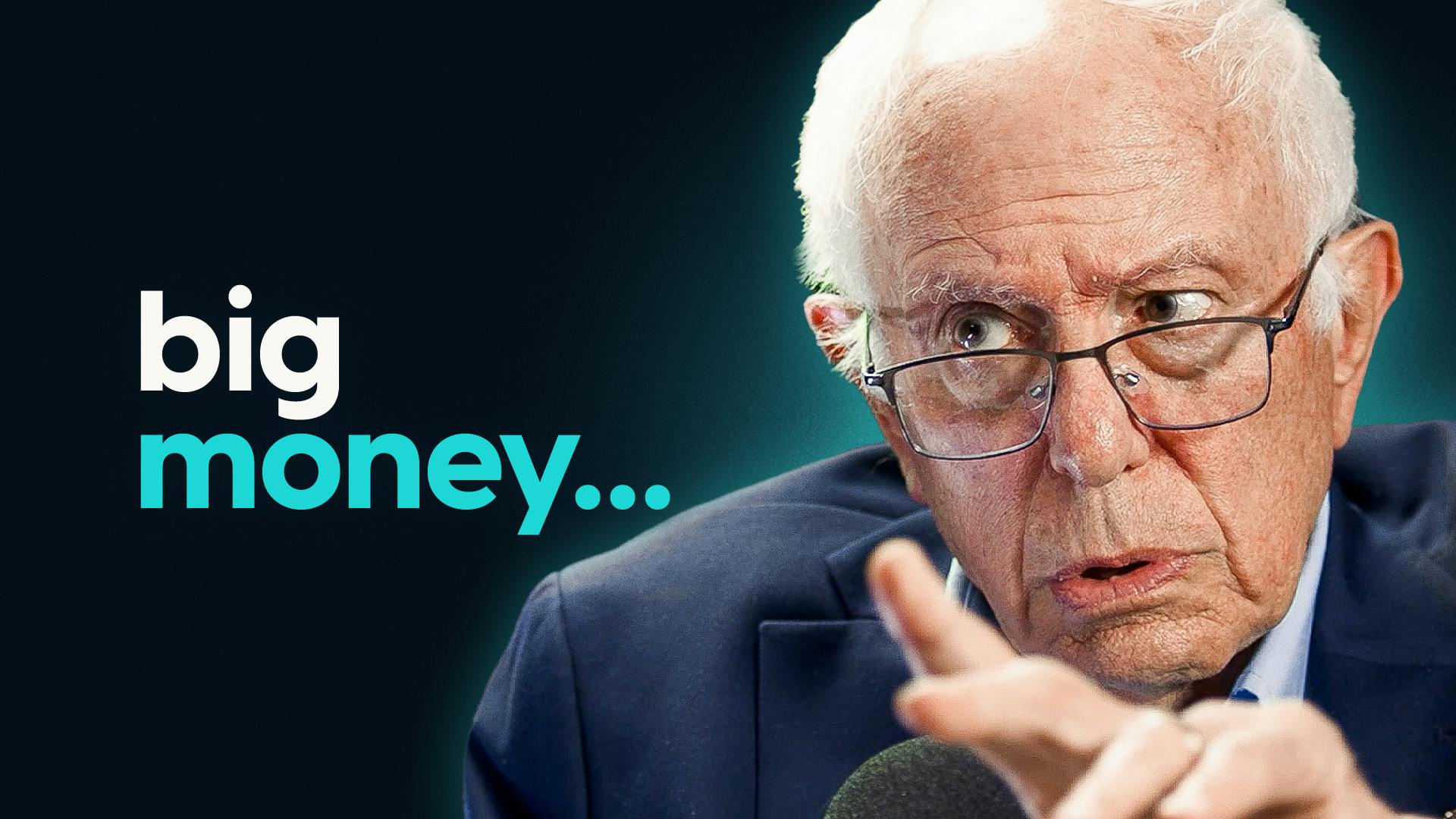
Senator Bernie Sanders argues the Democratic party, once the party of the working class, began courting wealthy donors in the 1970s. This strategic shift led them to neglect core economic issues, causing their traditional base to feel alienated and vote for candidates like Donald Trump.
Jane Fonda attributes the Democratic Party's struggles in the middle of the country to a fundamental shift in strategy. She claims the party "got in bed with its donors" and abandoned its practice of funding local, on-the-ground community organizing, thereby losing touch with the very people it needed to represent.

The Democratic Party's loss of Silicon Valley's support wasn't about campaign funds, but about culture. By vilifying entrepreneurs, the party allowed Trump to become the champion of innovation and the future, alienating a generation of young people who admire wealth creation and technological progress.
Governor Tim Walz argues the Democratic Party is a 'prisoner to norms,' relying on 'strongly worded letters' while voters crave tangible results. To re-energize its base, the party must be willing to break conventions to deliver significant, life-improving policies like universal healthcare, connecting votes directly to positive outcomes.
Emanuel claims Democrats led a nationwide retreat from educational standards and accountability. The valid concern that testing had become an end in itself led to the flawed remedy of abandoning measurement entirely, causing student performance to plummet.
In a potential presidential bid, Emanuel positions himself as a results-oriented leader focused on tangible achievements, like raising Chicago's graduation rates. This contrasts with what he frames as the title-seeking ambitions of other politicians, a message aimed at voters tired of political posturing.
Emanuel argues that after 2020, the Biden administration missed an opportunity to make "Joe Biden Republicans" a transformational part of a new coalition. By prioritizing uniting the Democratic party, they lost a broader national narrative and alienated potential long-term supporters.
Buttigieg criticizes his own party for treating identity groups like items on a salad bar, offering something for each group individually. This approach, he argues, prevents the party from crafting a cohesive, unifying economic message that speaks to the shared interests of low-wealth people across all identities.

When a major ally makes a mistake, the Democratic response is often a pile-on focused on purity tests rather than strategic alignment. This prioritizes social virtue over effectiveness, risks alienating crucial supporters, and stands in contrast to the GOP's lockstep loyalty.

Since the 1990s, the left has shifted from material concerns like wages to identity politics expressed in exclusionary academic rhetoric. This has actively repelled the working-class voters it historically championed and needs for a majority coalition.
