Get your free personalized podcast brief
We scan new podcasts and send you the top 5 insights daily.
Emanuel argues that after 2020, the Biden administration missed an opportunity to make "Joe Biden Republicans" a transformational part of a new coalition. By prioritizing uniting the Democratic party, they lost a broader national narrative and alienated potential long-term supporters.

Related Insights
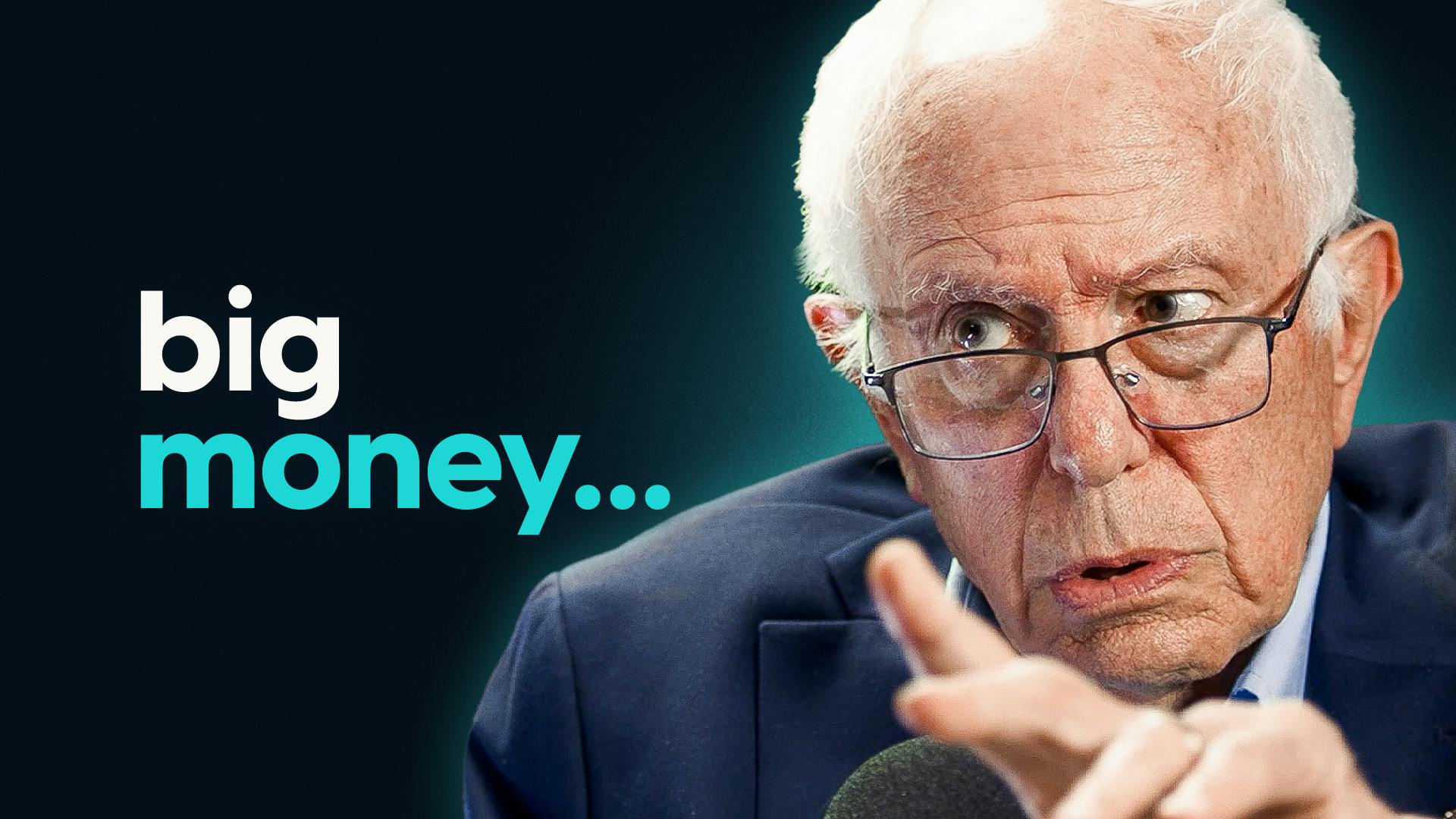
Senator Bernie Sanders argues the Democratic party, once the party of the working class, began courting wealthy donors in the 1970s. This strategic shift led them to neglect core economic issues, causing their traditional base to feel alienated and vote for candidates like Donald Trump.
Jane Fonda attributes the Democratic Party's struggles in the middle of the country to a fundamental shift in strategy. She claims the party "got in bed with its donors" and abandoned its practice of funding local, on-the-ground community organizing, thereby losing touch with the very people it needed to represent.
Governor Tim Walz argues the Democratic Party is a 'prisoner to norms,' relying on 'strongly worded letters' while voters crave tangible results. To re-energize its base, the party must be willing to break conventions to deliver significant, life-improving policies like universal healthcare, connecting votes directly to positive outcomes.
Current American political turmoil is not about personalities but the structural breakdown of both major parties. Each has lost key voter factions, creating a chaotic period where neither can truly win. This instability will persist until a new political alignment emerges.

Ideological loyalty is an illusion in politics. Once in power, parties will quickly abandon the very groups that propelled them there if it is politically expedient. Examples include the UK's Labour Party turning on unions and Democrats ignoring BLM after the 2020 election. Power, not principle, is the goal.

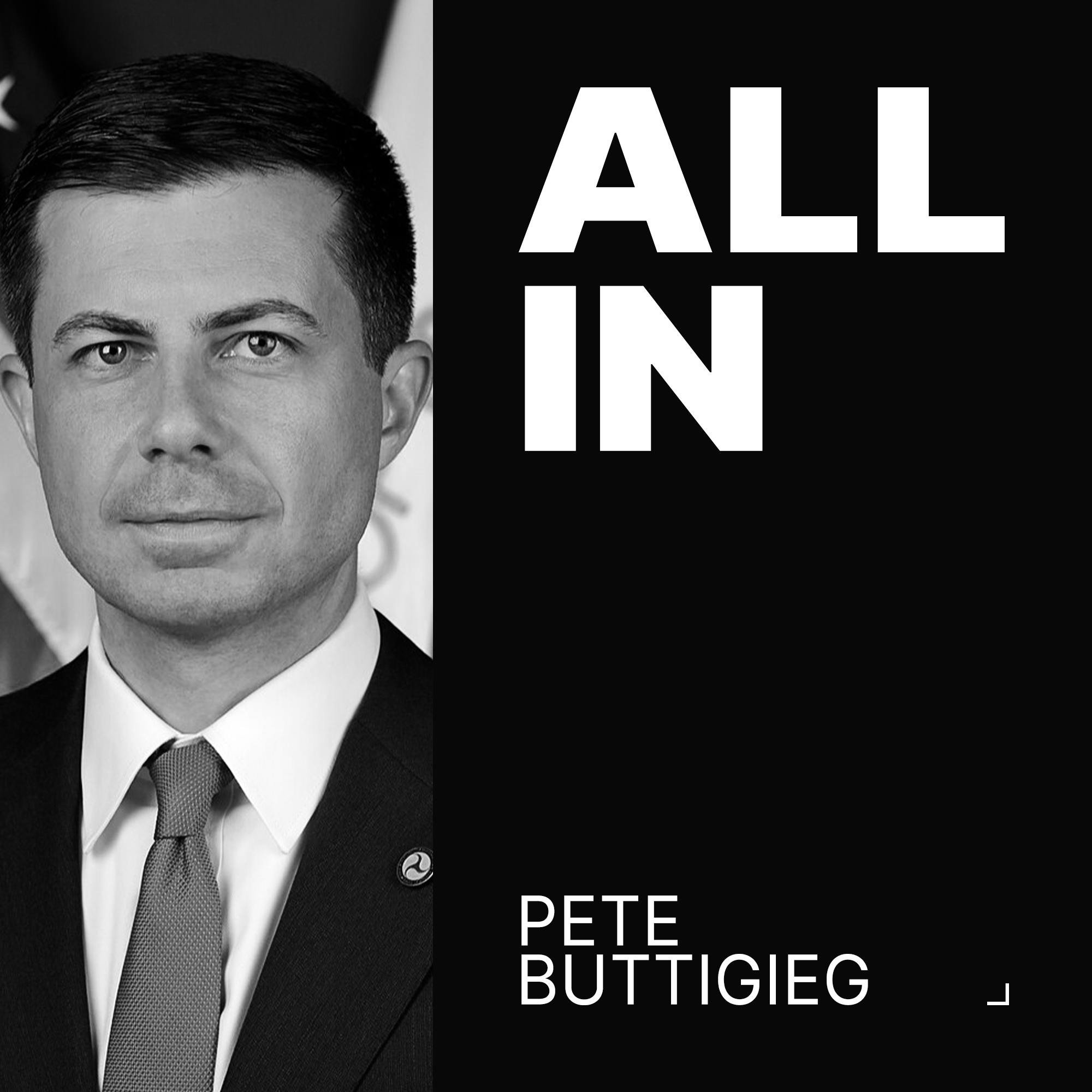
Buttigieg criticizes his own party for treating identity groups like items on a salad bar, offering something for each group individually. This approach, he argues, prevents the party from crafting a cohesive, unifying economic message that speaks to the shared interests of low-wealth people across all identities.
When a major ally makes a mistake, the Democratic response is often a pile-on focused on purity tests rather than strategic alignment. This prioritizes social virtue over effectiveness, risks alienating crucial supporters, and stands in contrast to the GOP's lockstep loyalty.

Emanuel advises that if Democrats win a majority, they should focus on legislation designed to create divisions within the GOP. Forcing a vote on banning officials from prediction markets, for example, would pit Republican factions against Trump, creating strategic advantages for 2028.
Rahm Emanuel predicts presidential politics will pivot away from Trump's persona. He argues the electorate will crave a mature leader focused on building the future, contrasting this with both Trump's and Biden's focus on restoring a past that is not returning.
Democrats often engage in a 'circular firing squad' by policing the language and actions of their own allies. This internal conflict over minor issues, such as word choice, distracts from the larger political battle against adversaries, demonstrating how an inability to embrace imperfect allies can lead to strategic failure.