Get your free personalized podcast brief
We scan new podcasts and send you the top 5 insights daily.
The founder saw millions making protein ice cream at home with Ninja Creamy machines but identified the inconvenience (prep time, ingredients) as a key pain point. His CPG brand offers a ready-to-eat solution to a problem that a popular appliance created.

Related Insights
For new CPG products creating a category, co-branding with adjacent, established brands (e.g., protein sprinkles with a yogurt brand) is a superior strategy. It provides distribution and credibility without the risk of creating a cheaper, private-label competitor that could cannibalize your future brand.

Rather than iterating on existing bars, Peter Rahal designed his ideal "protein delivery system" from first principles: maximize protein, minimize calories. This goal-oriented approach, free from industry conventions, led him to discover and utilize the novel fat substitute EPG, which became his key differentiator.
Lacking food science expertise, the founders applied for jobs at a local from-scratch ice cream shop to learn the craft. This unconventional, hands-on approach to R&D not only provided crucial knowledge but also led to a key mentorship with the shop's owner.
The "candy salad," a consumer-driven trend on TikTok to combat candy inflation, was quickly adopted and productized by Ferrara (owner of Nutella) with a dedicated kit. This shows how major CPG brands now monitor social platforms to rapidly identify and capitalize on organic consumer behavior.

The founder, who has type one diabetes and epilepsy, developed his keto-friendly cereal because he was personally frustrated with the lack of good-tasting, low-carb options. This deep personal connection, or "founder-market fit," fueled his motivation and innovation.
By launching a high-protein, low-sugar ice cream, David Protein aims to expand consumption beyond dessert into new "occasions" like breakfast or a post-workout meal. This strategy focuses on capturing new "tummy share" by changing when a product is consumed, rather than just launching a new flavor.

Frustrated by the $1,200 cost of sous vide machines, Scott Heimendinger created a $75 DIY version. Sharing the instructions online went viral, proving a massive market demand and leading directly to him co-founding his first startup, Sansaire.

The bottleneck to creating a comprehensive greens gummy wasn't the science but the packaging. The industry was stuck on 30/60-count bottles. Gruuns' breakthrough was realizing the required dose fit into a daily pouch of 8 gummies, a packaging innovation that created the entire product category.

The key inflection point for Justin's Nut Butter wasn't its recipe but its introduction of single-serve pouches. This format innovation unlocked new use cases (hiking, biking), highlighting that packaging and delivery can be more impactful than the core product itself.
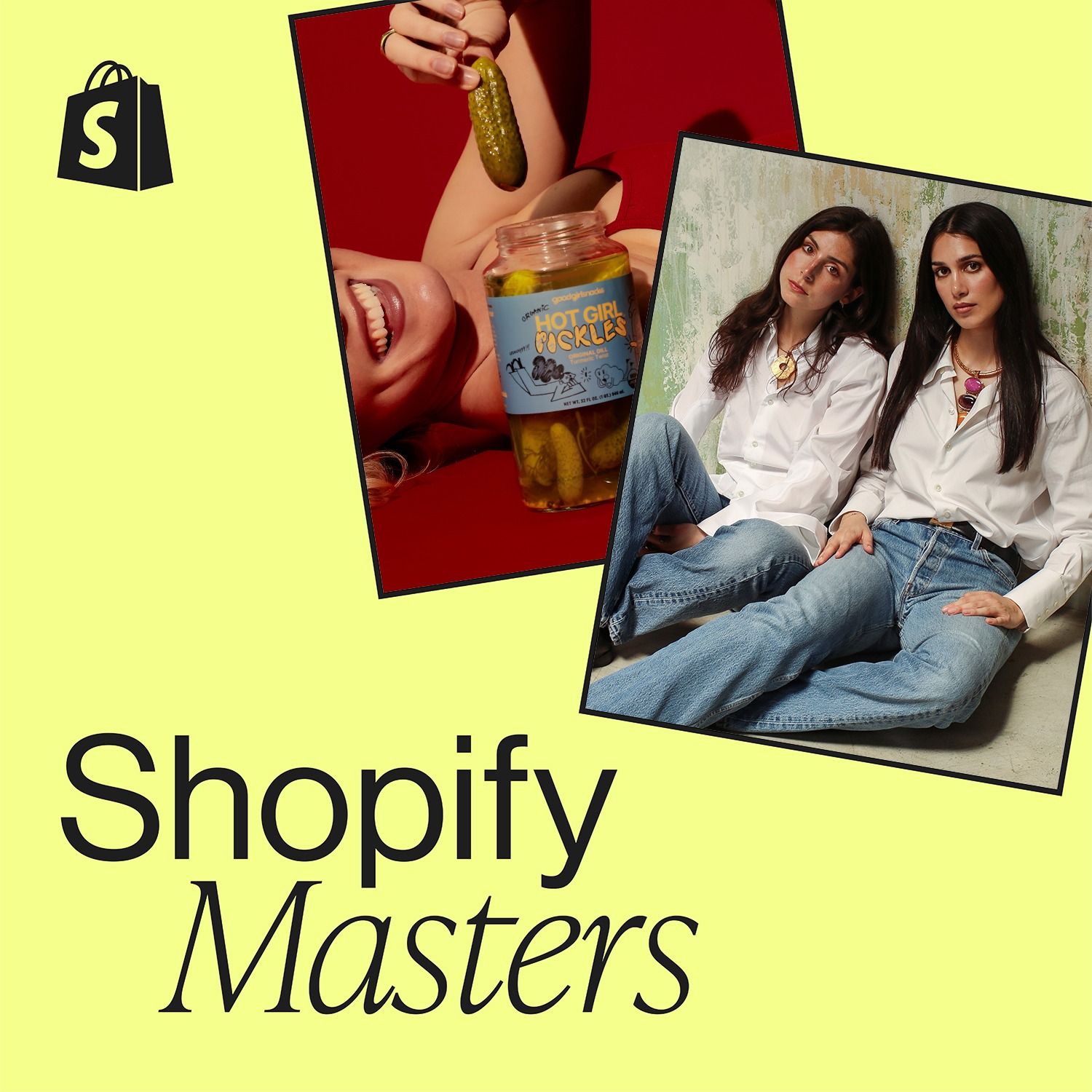
The founders identified a mismatch between the modern, Gen Z pickle consumer on TikTok and the outdated, homogenous branding on store shelves. By targeting a neglected category with bold design and unique flavors, they faced less competition and stood out to both consumers and retail buyers.