Get your free personalized podcast brief
We scan new podcasts and send you the top 5 insights daily.
By eliminating fees on orders over $50, Grubhub aims to rapidly acquire customers. While this "democratizing" move is popular, it's a high-stakes gamble. History shows this can lead to massive success (like Robinhood) or spectacular failure (like MoviePass).

Related Insights
Despite knowing customers would pay far more, Shopify intentionally underpriced its product. This lowered the barrier to entry for entrepreneurs, focusing on massive user acquisition and solving merchant problems first.
Travis Kalanick intentionally cut prices to trigger a growth flywheel: lower fares led to more riders, which attracted more drivers, enabling even lower prices. This strategy didn't just steal share from taxis; it fundamentally expanded the total addressable market for personal transportation.

The "winner-takes-most" nature of marketplace businesses means that even an industry leader can operate for over a decade before achieving profitability. This model demands immense capital investment to survive a long, costly war of attrition to establish network effects.

Before free shipping was standard, Nuts.com intentionally used shipping costs to deter low-value orders. The founder wanted a 'hurdle' to 'adversely select away the bad customers,' like someone buying a single $2.99 item. This counterintuitive strategy focused on attracting high-quality, profitable customers rather than maximizing order volume.

In the competitive food delivery market, service fees frustrate both customers and restaurants. By eliminating this key fee, similar to Robinhood's disruption of trading commissions, DoorDash could become the preferred platform. Shifting to a subscription model like Costco would foster immense goodwill and lock in loyalty.

The decision to offer zero-commission trades was not an incremental price reduction; it was a fundamental shift in the business model. The team intuitively recognized that "free" possesses a unique marketing power far stronger than a nominal fee. This is key for any company aiming for mass-market disruption.

Robinhood's zero-commission model was viable because it sidestepped the massive customer acquisition costs (CAC) of its competitors. In 2016, incumbents like E-Trade were spending over $1,000 per customer on marketing, while Robinhood's viral growth made its CAC effectively zero.
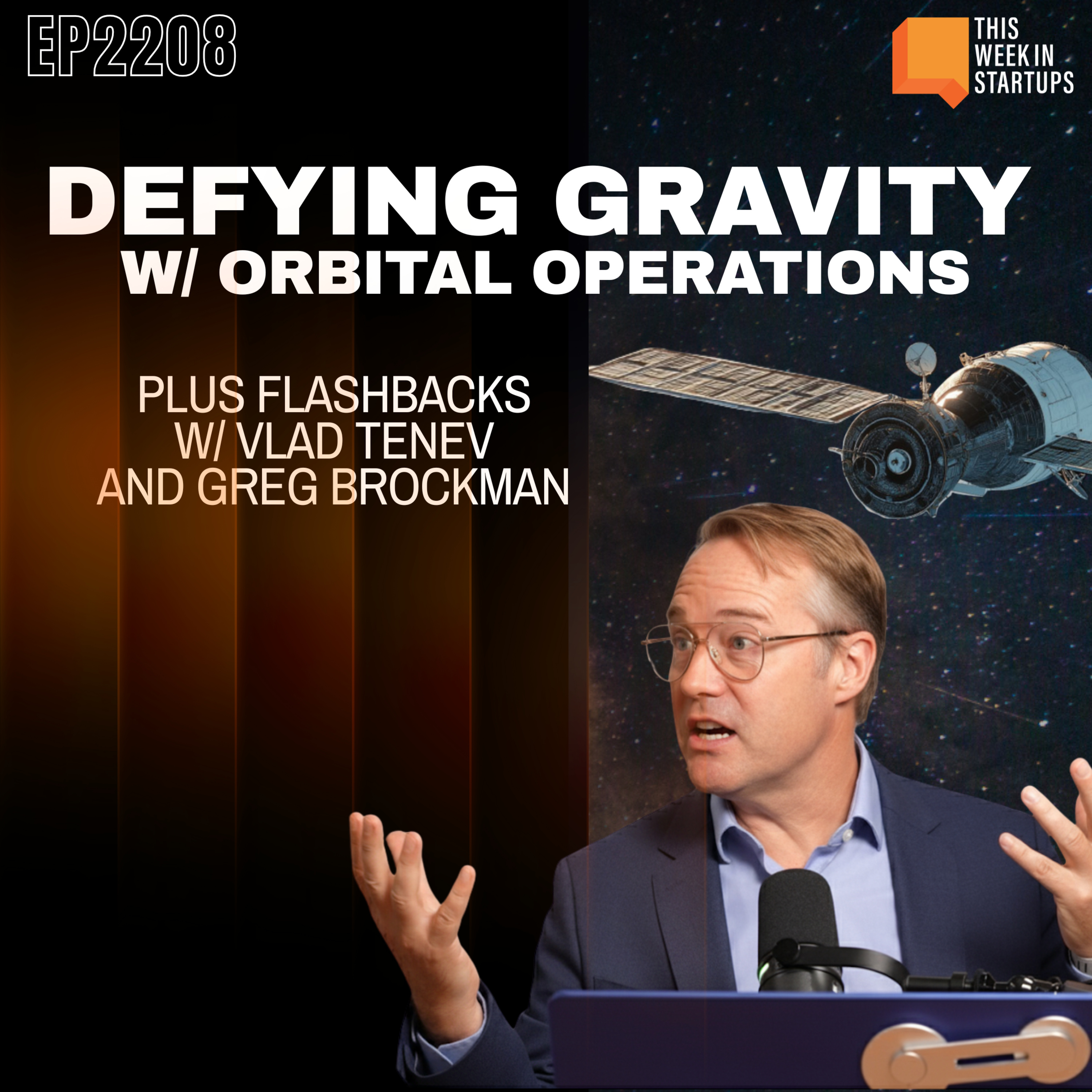
While competitors viewed capital as a strategic weapon, DoorDash focused on capital efficiency. Their goal was to be twice as effective with every dollar spent on customer acquisition. Lin emphasizes that capital is fuel, but it's useless without a 'fire burning'—a product with real engagement.
Many subscription companies employ a "penetration strategy," pricing below cost to attract a large user base. Once loyalty is established, they leverage their pricing power to increase profits, shifting focus from pure growth to appeasing shareholders who now demand profitability.
While massive "kingmaking" funding rounds can accelerate growth, they don't guarantee victory. A superior product can still triumph over a capital-rich but less-efficient competitor, as seen in the DoorDash vs. Uber Eats battle. Capital can create inefficiency and unforced errors.