Get your free personalized podcast brief
We scan new podcasts and send you the top 5 insights daily.
Instead of letting AI spend run wild with developers, Uber's CTO is embedding engineers directly into operational departments like legal, HR, and marketing. These "agentic pods" work with department heads to identify and build high-ROI automations, strategically lowering costs.

Related Insights
While enterprise CTOs often see only rising token costs with unclear returns, front-line teams implementing AI in areas like logistics and customer service are seeing immediate, granular ROI. This visibility gap is bridged only when the CEO is 'AI-pilled' and trusts the process.

True AI-native companies apply AI beyond their external products. They create dedicated internal teams to help employees leverage new AI tools, like LLMs, to boost their own productivity. This is a deliberate, culturally ingrained motion to ensure the entire organization moves with technological shifts.

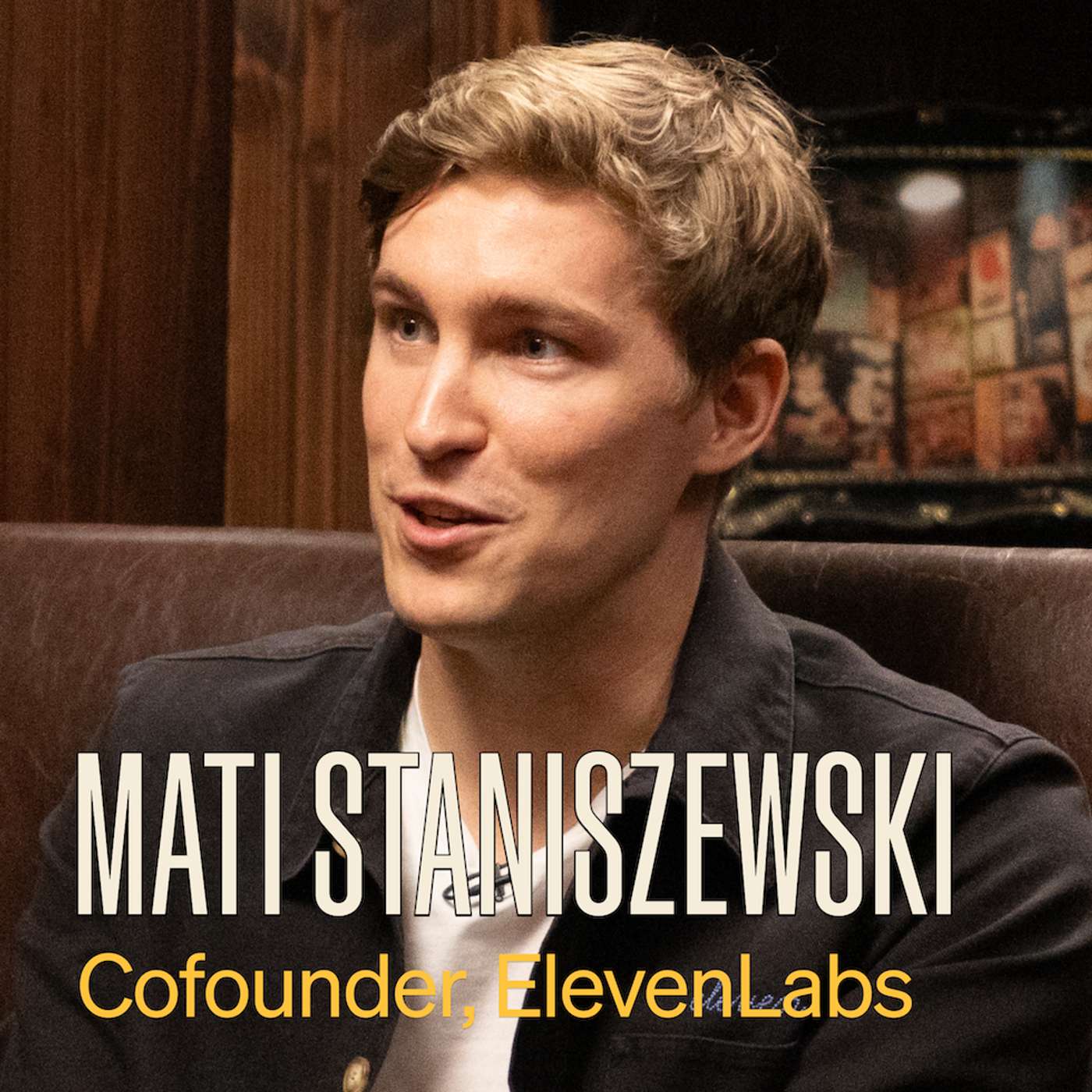
To maximize AI's impact, ElevenLabs places dedicated technical resources directly within non-technical departments like operations and talent acquisition. This embedded 'tech lead' is responsible for identifying and building automation, upskilling the team, and bridging the gap between business needs and technical capabilities.
Uber's CTO revealed that enthusiastic adoption of AI coding tools by engineers depleted his entire annual AI budget just months into the year. While delivering huge value, this highlights a critical financial risk for enterprises: successful, widespread internal adoption of AI can lead to runaway costs that far exceed initial projections.

After blowing through their entire annual AI token budget in just four months, Uber is now making a direct trade-off. Overages in AI and infrastructure spending are being paid for by hiring less aggressively, fundamentally changing how they manage their tech budget and priorities.

To ensure AI adoption doesn't become "everyone's job is no one's job," create a dedicated AI Operations team. This team, described as the "new BizOps," has a full-time mandate to identify and automate workflows across every company function.

Instead of traditional IT roles focused on software, an AI Ops person focuses on identifying and automating workflows. They work with teams to eliminate busy work and return hundreds of hours, shifting employees from performing tasks to directing AI.

To combat budget chaos from AI usage, enterprises are moving the cost of technology from the central CIO's budget to the P&L of the specific business unit using it. This decentralizes accountability, forcing department managers to make ROI-driven decisions about their team's AI consumption.

While known for external AI applications, Uber's CEO reveals the most significant value from AI comes from internal tools that enhance developer productivity. AI agents for on-call engineering make engineers "superhumans" and more valuable, leading Uber to hire more, not fewer, engineers.

The CTO of Uber, after exhausting the company's AI budget early in the year, publicly stated he's not seeing a return on the investment. This highlights a growing trend among enterprises to scrutinize the high costs of AI against unclear productivity gains and question the ROI.
