Get your free personalized podcast brief
We scan new podcasts and send you the top 5 insights daily.
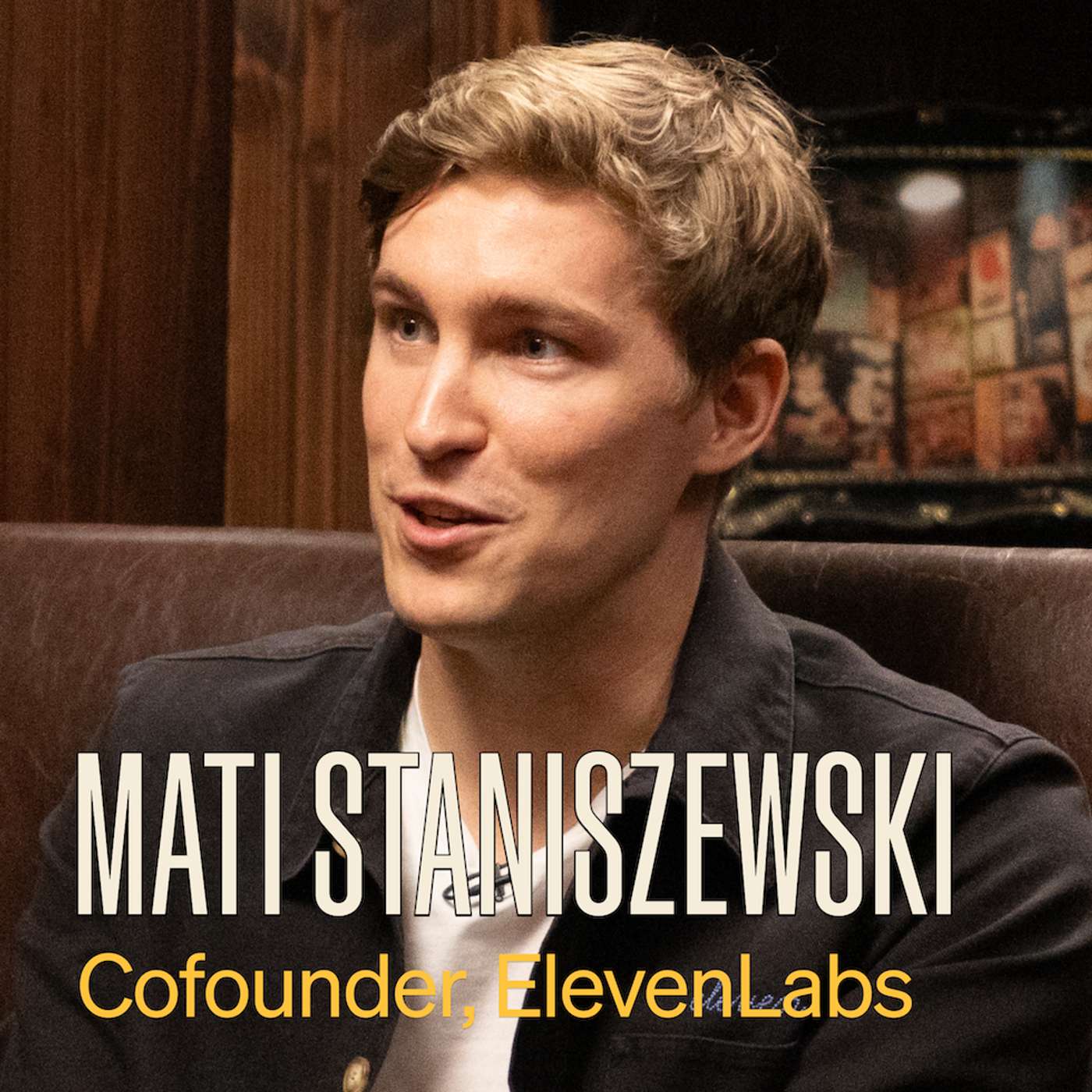
To maximize AI's impact, ElevenLabs places dedicated technical resources directly within non-technical departments like operations and talent acquisition. This embedded 'tech lead' is responsible for identifying and building automation, upskilling the team, and bridging the gap between business needs and technical capabilities.
Related Insights
Instead of hiring a 'Chief AI Officer' or an agency, the most successful GTM AI deployments empower existing top performers. Pair your best SDR, marketer, or RevOps person with AI tools, and let them learn and innovate together. This internal expertise is more valuable than any external consultant.
Companies once hired siloed 'digital experts,' a role that became obsolete as digital skills became universal. To avoid repeating this with AI, integrate technologists into current teams and upskill existing members rather than creating an isolated AI function that will fail to scale.

True AI-native companies apply AI beyond their external products. They create dedicated internal teams to help employees leverage new AI tools, like LLMs, to boost their own productivity. This is a deliberate, culturally ingrained motion to ensure the entire organization moves with technological shifts.

Instead of pursuing broad, top-down AI governance, leaders should first target specific business problems where departments intersect and cause delays, such as Sales and Legal on contracts. Use AI as a "thought leader" in a cross-functional team to solve these high-friction issues.

Instead of hiring a traditional Head of Ops, Chapter hired an AI engineer for the role. This led to automating complex compliance and licensing workflows across 50 states, allowing the company to handle a workload that typically requires 50-60 people with a team of just one and a half.

A new wave of AI automation is being driven by non-technical staff using agent-based platforms. These knowledge workers are building custom AI solutions for complex business processes, bypassing the need for new software purchases or dedicated engineering resources.

Leadership often imposes AI automation on processes without understanding the nuances. The employees executing daily tasks are best positioned to identify high-impact opportunities. A bottom-up approach ensures AI solves real problems and delivers meaningful impact, avoiding top-down miscalculations.
Instead of traditional IT roles focused on software, an AI Ops person focuses on identifying and automating workflows. They work with teams to eliminate busy work and return hundreds of hours, shifting employees from performing tasks to directing AI.

Flexport is upskilling its non-technical staff through a 90-day "AI boot camp." By giving domain experts one day a week to learn low-code AI tools, the company empowers them to automate their own repetitive tasks, turning them into "lightweight engineers" who are closest to the problems.

Shift from departments staffed with people to a single owner who directs AI agents, automations, and robotics to achieve outcomes. This structure maximizes leverage and efficiency, replacing the old model of "throwing bodies" at problems.