Get your free personalized podcast brief
We scan new podcasts and send you the top 5 insights daily.
To ensure AI adoption doesn't become "everyone's job is no one's job," create a dedicated AI Operations team. This team, described as the "new BizOps," has a full-time mandate to identify and automate workflows across every company function.

Related Insights
Simply adding AI tools to existing workflows fails. Companies must restructure their entire 'factory floor.' To mitigate the risk of a full overhaul, organizations like Metalab create a 'Team Zero'—a small, independent team tasked with exploring new AI-native processes and reporting back on what works before company-wide implementation.

Shift automation from an ad-hoc tech project to a core management responsibility. Mandate that department leads systematically eliminate monotonous tasks, forcing teams to focus exclusively on high-value, strategic work.

OpenAI's own AI adoption strategy involves creating small, dedicated teams for each business vertical (e.g., finance, sales). These teams deeply understand the domain to build custom AI skills and UIs. Crucially, they maintain a human-in-the-loop to be accountable for all final decisions, like approving code merges.
Instead of a scattered approach, Sprout Social's CMO created a dedicated "AI and Automation Marketing Manager" role. This person, with both marketing and technical savvy, acts as a central catalyst to identify and implement AI-enabled workflows across the entire team, accelerating adoption and impact.

Instead of pursuing broad, top-down AI governance, leaders should first target specific business problems where departments intersect and cause delays, such as Sales and Legal on contracts. Use AI as a "thought leader" in a cross-functional team to solve these high-friction issues.

To accelerate and centralize AI adoption, Wrike's CMO created a new role, 'AI and Automation Marketing Manager,' reporting directly to her. This role was filled by a tech-savvy internal marketer tasked with systematically integrating AI into existing workflows across the team.
Simply giving AI tools to existing departments like legal or finance yields limited productivity gains. The real unlock is to reimagine and optimize end-to-end, cross-functional processes (e.g., 'onboarding a new supplier'). This requires shifting accountability from departmental silos to process owners who can apply AI holistically.
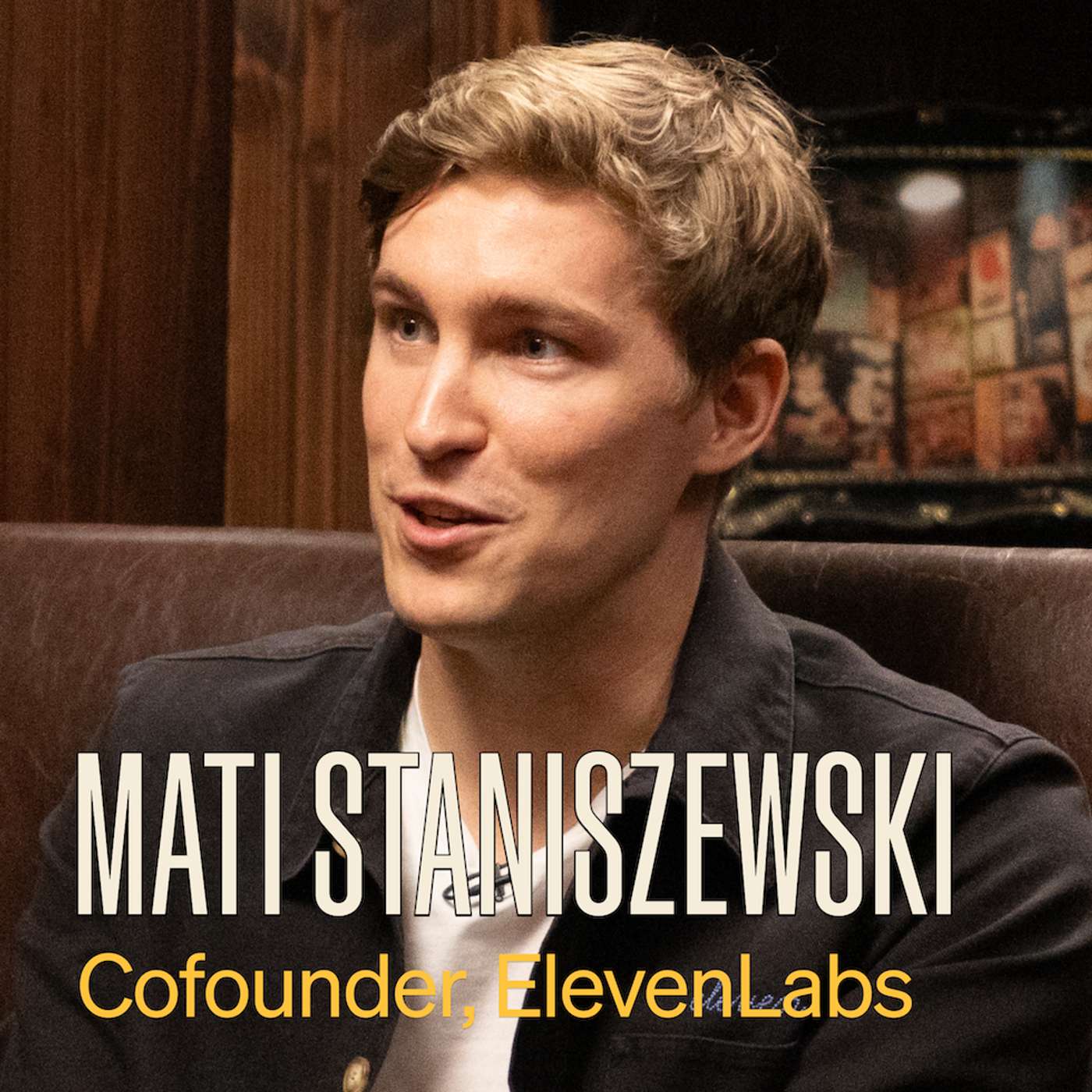
To maximize AI's impact, ElevenLabs places dedicated technical resources directly within non-technical departments like operations and talent acquisition. This embedded 'tech lead' is responsible for identifying and building automation, upskilling the team, and bridging the gap between business needs and technical capabilities.
Instead of just augmenting existing roles, companies should deconstruct jobs into their component tasks. Analyze each task and reassign it to either a machine or a person based on what each does best. For example, remove 'prospect list building' from BDRs and centralize it with an AI-powered data team, freeing reps to focus on selling.

Instead of traditional IT roles focused on software, an AI Ops person focuses on identifying and automating workflows. They work with teams to eliminate busy work and return hundreds of hours, shifting employees from performing tasks to directing AI.