Get your free personalized podcast brief
We scan new podcasts and send you the top 5 insights daily.
The bipartisan agreement on China was limited to acknowledging a threat. It lacked any real consensus on the specific challenges or the appropriate American response, a shallowness that President Trump’s second term has exposed.

Related Insights
A successful China policy should not be defined as "beating" China. Instead, success is achieving a stable modus vivendi that serves core American interests—like affordability, energy, and innovation—while enabling cooperation on shared global challenges.
Defense contractors and investors operate under the flawed assumption that there is a serious, coordinated national effort to reindustrialize for a conflict with China. In reality, this collective vision is absent, with policy being a series of disjointed reactions rather than a focused, generational commitment.

The U.S. must solve two distinct issues simultaneously. The first is the failure of the global trading system, which Lighthizer believes requires broad tariffs against many nations. The second is the specific geopolitical threat from China. This creates a policy bind, as alienating allies with tariffs complicates building a coalition against China.
The administration was influenced by bearish Wall Street analyses after China's zero-COVID policy and the "Peak China" narrative in the strategic community. This led them to believe China was economically weaker than it was, causing them to miscalculate China's ability and willingness to retaliate in a trade war.
The US policy of engagement with China was viable only as long as China appeared to be on a path of reform and convergence. Xi Jinping's consolidation of power and abandonment of this reformist trend effectively killed the rationale for engagement, ushering in the current era of hostility.
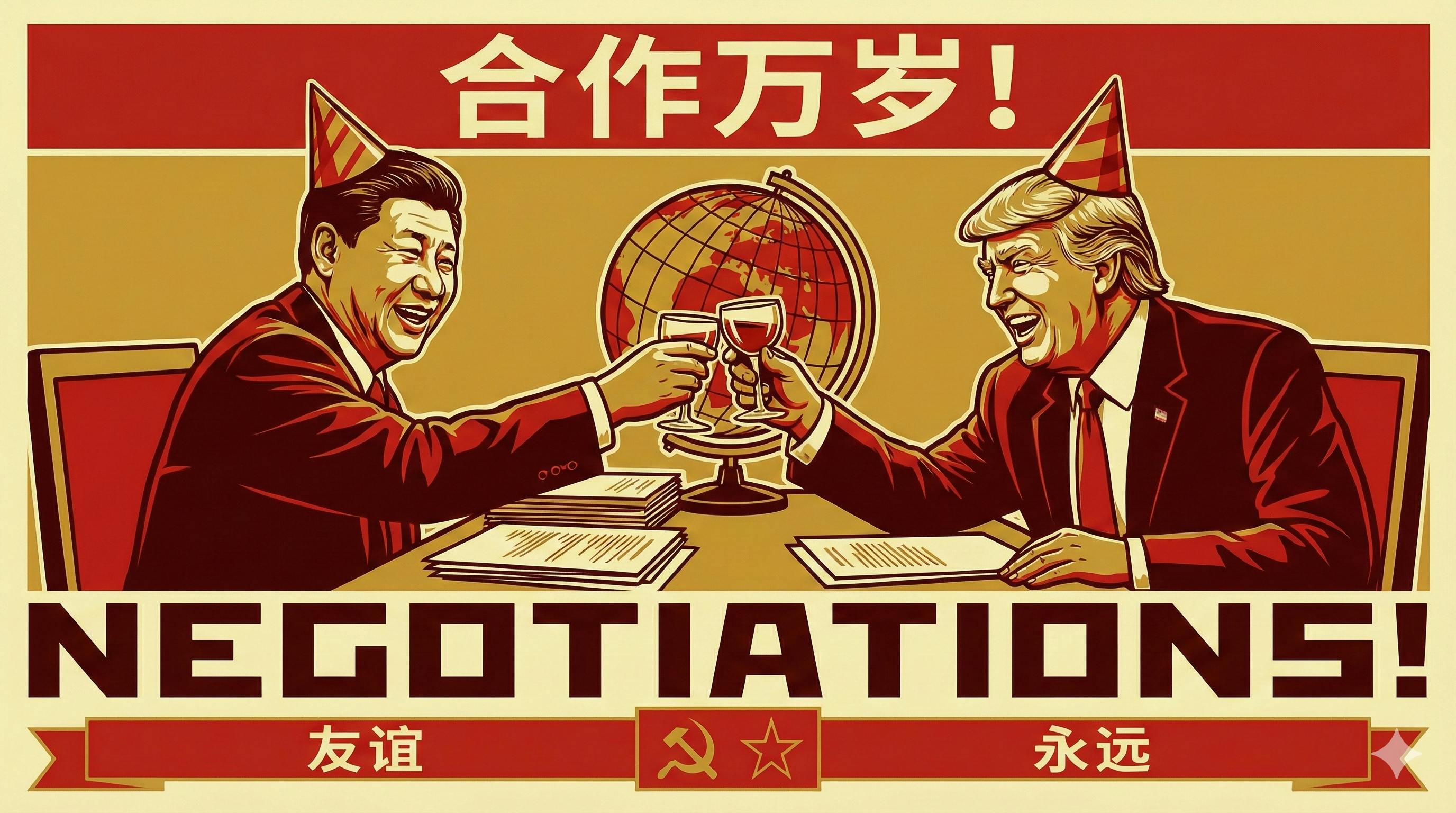
The recent lack of anti-China rhetoric from the Trump administration, including zero mentions at the State of the Union, is a deliberate tactical truce. The goal is to stabilize relations and create a favorable environment for an upcoming presidential summit with Xi Jinping, which the administration wants to be a major success.

The inconsistent US policy towards China, oscillating between hawkishness and deal-making, discourages allies from taking firm action. Partners fear the US will 'pull the rug out from under them,' leaving them exposed to Chinese retaliation if they act too aggressively.

Despite China's long-term strategic relevance, its use as a political argument is less effective today. Politicians and the public are focused on more immediate threats like the state of U.S. democracy and the war in the Middle East, which now dominate political discourse.

The latest U.S. National Security Strategy drops confrontational rhetoric about China as an ideological threat, instead framing the relationship around economic rivalry and rebalancing. This shift prioritizes tangible deals over promoting American values globally, marking a departure from Reagan-era foreign policy.

AI policy has largely been bipartisan, especially on national security issues like restricting chip sales to China. However, a new partisan gap is forming, with a potential second Trump administration signaling a shift towards deregulation ("let the private sector cook") and resuming chip sales to China.